


The Hidden Danger in 'Clean' Water
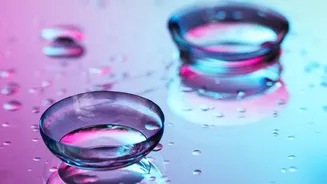
You might think tap water is safe because you can drink it, but it is not sterile and is a bad match for contact lenses. Unlike sterile saline solution, tap water contains a host of invisible microorganisms. Soft contact lenses are porous and act like a sponge,
absorbing this water and any germs within it. This creates a perfect breeding ground for infection by trapping these microorganisms directly against your eye's surface, a delicate tissue called the cornea. Furthermore, water can cause soft lenses to swell, change shape, and stick to the eye, which is not only uncomfortable but can also cause tiny scratches on the cornea, making it even easier for germs to invade.
Meet the Microbe: Acanthamoeba
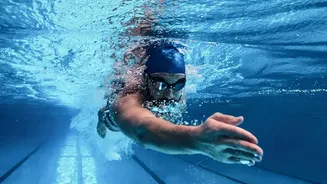
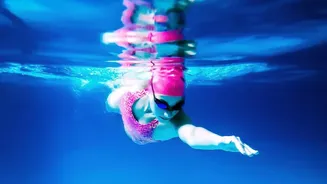
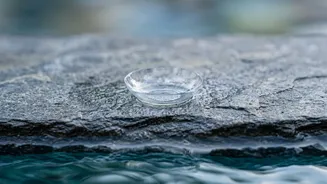
One of the most dangerous organisms found in water sources worldwide—including tap water, lakes, oceans, and swimming pools—is a microscopic amoeba called Acanthamoeba. This hardy parasite can survive even in treated water systems and can cause a rare but severe eye infection known as Acanthamoeba keratitis. Most cases of this devastating infection occur in contact lens wearers. Improper lens hygiene or wearing contacts while showering, swimming, or using a hot tub significantly increases the risk of this amoeba entering the eye.
What is Acanthamoeba Keratitis?
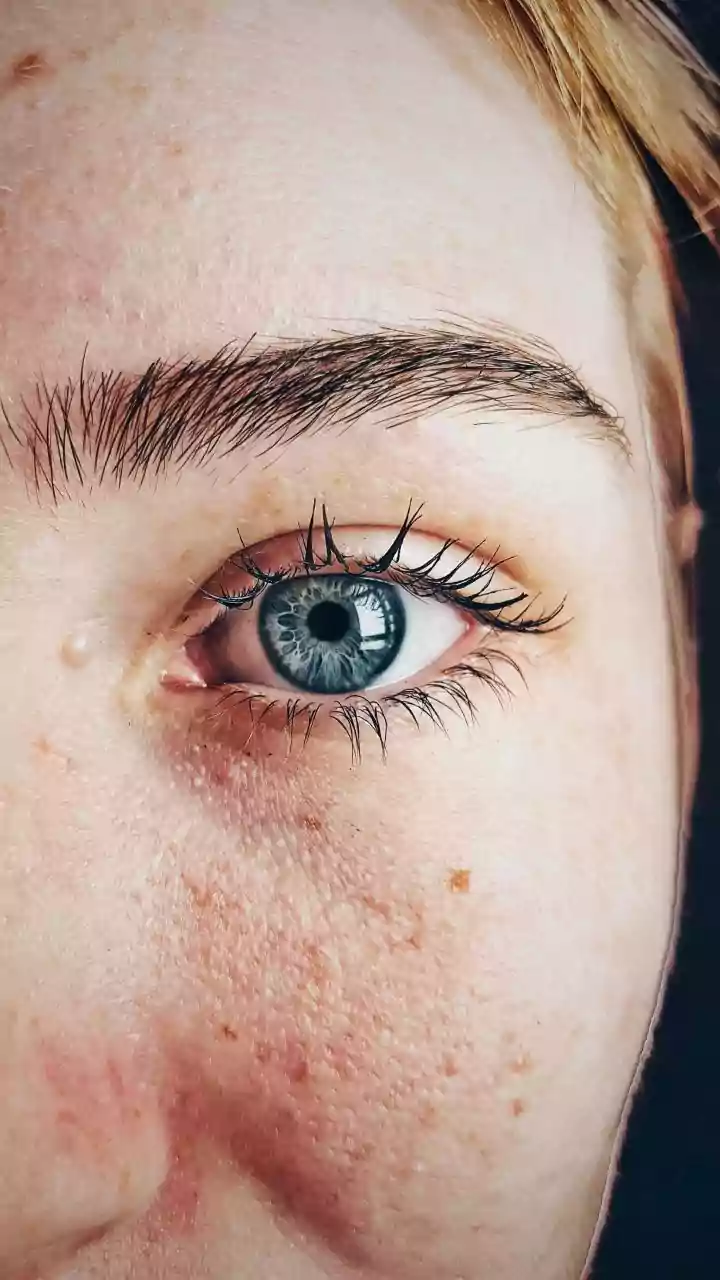
Acanthamoeba keratitis is an infection of the cornea. Symptoms can often mimic more common eye infections and may include severe eye pain, redness, blurred vision, extreme sensitivity to light, and the constant feeling that something is in your eye. The condition is notoriously difficult to treat, sometimes requiring a year or more of intensive medical care. If not diagnosed and treated early, it can cause permanent vision loss and, in severe cases, may necessitate a corneal transplant to restore sight.
Golden Rules for Contact Lens Safety
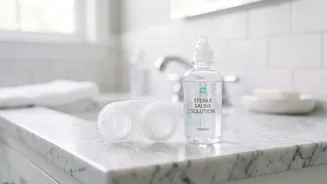
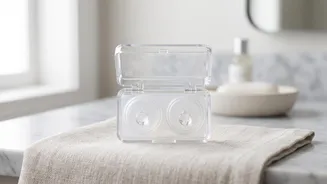
Protecting your vision is paramount. Health authorities like the CDC provide clear guidelines for safe contact lens wear. Always remove your lenses before showering, swimming, or using a hot tub. Never use tap water, bottled water, or even saliva to rinse or store your lenses; only use fresh, commercially prepared, sterile contact lens solution recommended by your optometrist. It’s also crucial to wash and dry your hands thoroughly before handling your lenses. Your lens case is another potential source of contamination. Clean it with solution, not water, and let it air dry upside down after each use. Be sure to replace your case at least every three months.
What to Do If You Suspect a Problem
If you accidentally expose your lenses to water, experts recommend removing them as soon as possible. If you wear disposable lenses, throw them away and insert a fresh pair. If you have reusable lenses, you should clean and disinfect them thoroughly overnight before wearing them again. Should you experience any symptoms like eye pain, redness, blurred vision, or irritation after wearing contacts, remove them immediately. Do not ignore these warning signs. If the symptoms persist, contact your eye care professional without delay for a proper diagnosis and treatment.