

The Core Ingredient Story
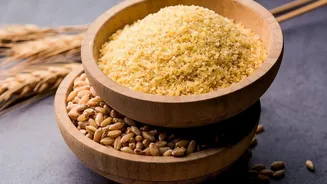
The most fundamental difference lies in the primary ingredient. Dalia is made from broken or cracked whole wheat. Because it's a whole grain, it retains its bran and germ, which are packed with nutrients and fibre. Think of it as a minimally processed
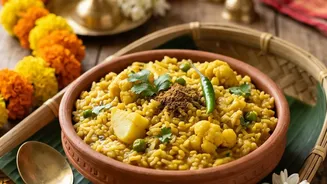
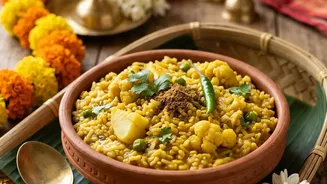
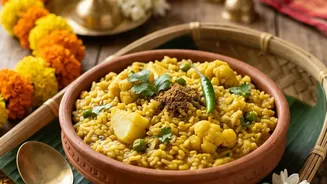
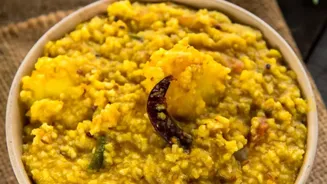
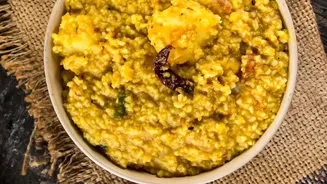
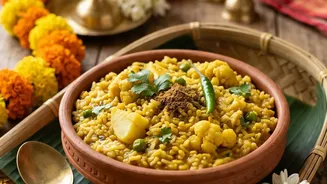
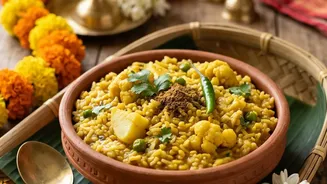
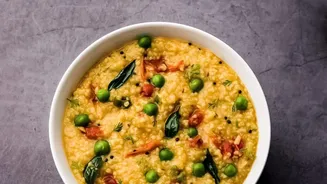
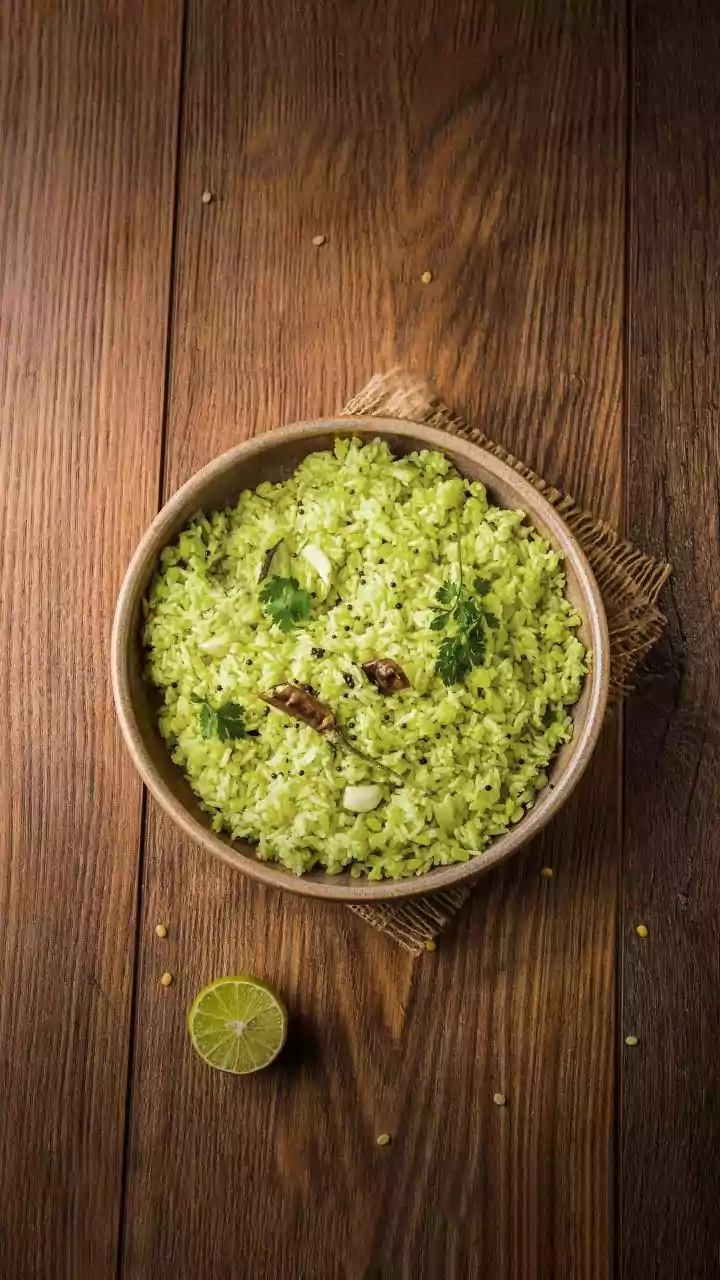
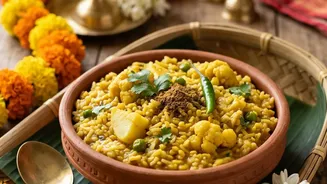
version of wheat, giving it a coarse texture and nutty flavour. Khichdi, on the other hand, is a versatile one-pot meal traditionally made by cooking rice and lentils (most commonly moong dal) together. This combination is central to its identity. While there are countless regional variations using different dals, millets, or even dalia itself (creating a 'dalia khichdi'), the classic form is always a rice-and-lentil symphony.
A Nutritional Face-Off
From a nutritional standpoint, both dishes are champions, but they excel in different areas. Dalia is the undisputed fibre king. Its high fibre content, derived from the wheat bran, promotes a feeling of fullness, aids digestion, and helps prevent constipation. This makes it excellent for weight management and for those with diabetes, as it has a low glycemic index, ensuring a slow and steady release of energy. Khichdi's nutritional strength comes from the powerful combination of rice and lentils. Together, they form a 'complete protein', providing all nine essential amino acids that the body needs, similar to animal protein. This makes khichdi an outstanding meal for muscle repair and growth, especially for vegetarians. While dalia has protein, it is not a complete protein on its own. Khichdi is also famously easy to digest, making it the go-to meal during illness or for those with a sensitive stomach.
Preparation, Texture, and Taste
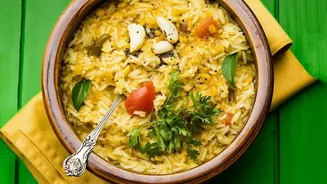
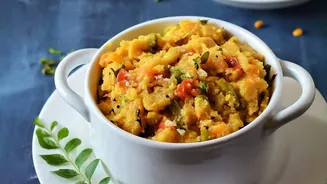
Preparation for both dishes starts similarly, often with a tempering of spices like cumin in ghee or oil. However, the end result differs in texture. Dalia, when cooked, has a consistency similar to a thick porridge or upma. It has a definite bite and a grainy texture. It can be made savoury with vegetables or sweet with milk and jaggery. Khichdi is typically cooked to a much softer, almost creamy consistency, especially when intended as a comfort food. The rice and dal meld together into a smooth, porridge-like meal that is gentle on the palate. Both dishes are blank canvases for flavour, easily adaptable with various vegetables, spices, and lentils to suit personal taste and regional cuisines.
The Verdict: Which to Choose and When?
The 'better' choice truly depends on your specific health goals and circumstances. Choose Dalia if your primary goal is weight management, blood sugar control, or increasing your fibre intake. Its ability to keep you feeling full for longer makes it an ideal breakfast or lunch option to prevent overeating later in the day. Opt for Khichdi when you need a light, easily digestible meal that is comforting and healing. It is the perfect choice for dinner, during recovery from illness, or for anyone with digestive issues. Its complete protein profile also makes it an excellent post-workout meal for muscle recovery. The gentle nature of khichdi, particularly the classic moong dal version, is why it is often recommended for everyone from infants to the elderly.