



The Master Blaster Who Fielded for Pakistan
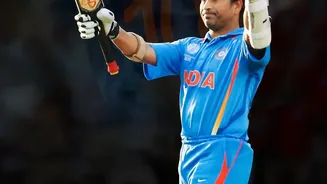
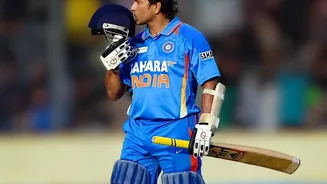
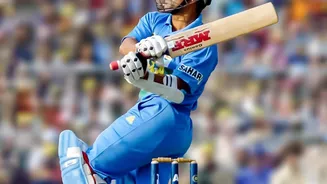
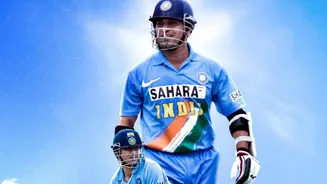
Years before he became the ‘God of Cricket’ for India, a young Sachin Tendulkar donned the jersey of arch-rivals Pakistan. It happened during a 1987 exhibition match at Mumbai's Brabourne Stadium. The Pakistani team, led by Imran Khan, found themselves
short of fielders after lunch as Javed Miandad and Abdul Qadir had left the ground. Khan asked for a couple of local youngsters to step in, and an eager 13-year-old Tendulkar rushed onto the field. He spent about 25 minutes as a substitute fielder for the visiting team, a fact he later recalled in his autobiography, 'Playing it My Way'. He even mentioned nearly getting under a high shot hit by Kapil Dev, lamenting that he could have taken the catch if he were positioned differently. This remains a fascinating piece of trivia, illustrating his passion for the game long before his official debut for India.
The Prince Who Never Played for India
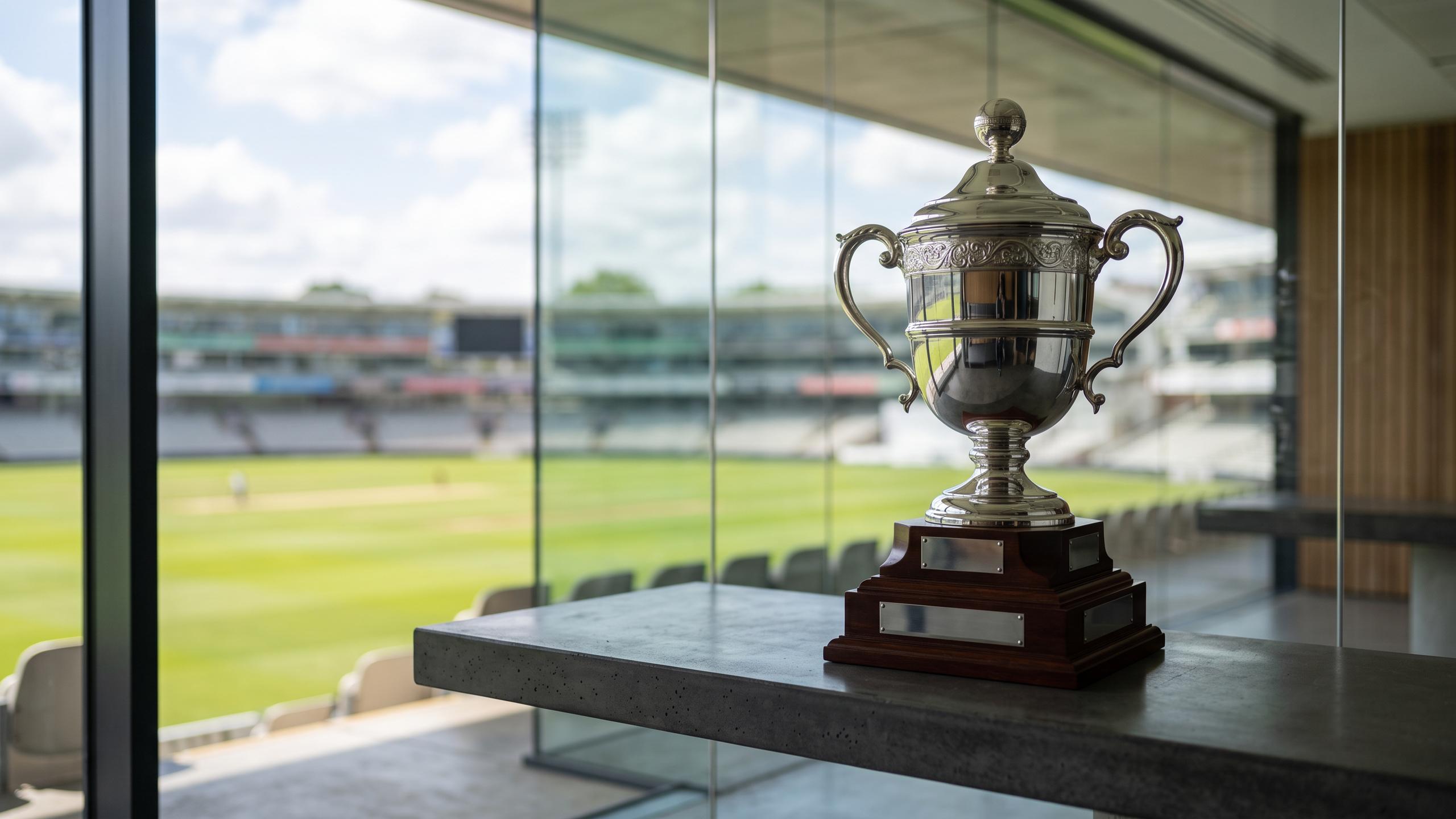
India's premier domestic first-class cricket championship, the Ranji Trophy, is named after Colonel H. H. Shri Sir Ranjitsinhji Vibhaji II, popularly known as Ranji. What many fans don't realise is that Ranji, one of the most innovative and stylish batsmen of his era, never actually played for India. Born in the princely state of Nawanagar in 1872, Ranji's entire Test cricket career was with England. He made his debut for England in 1896 against Australia, scoring a brilliant 154 in his first match. An unorthodox batsman, he revolutionised the art with shots like the leg glance. Despite being a celebrated Indian prince and a cricketing icon whose legacy is honoured in India, his international career was solely with the English team, for whom he played 15 Tests.
The First On-Field Kiss
Long before cricket became the high-octane spectacle it is today, a moment of spontaneous affection on the pitch left the nation stunned. In January 1960, during a Test match against Australia at Brabourne Stadium, Indian batsman Abbas Ali Baig reached his half-century. As he walked towards the pavilion, a young woman ran onto the field from the stands, approached the handsome 20-year-old cricketer, and kissed him on the cheek. The incident, happening in a far more conservative India, became a sensation. Baig became the first Indian cricketer to be kissed on the field during a match. The moment was so iconic that commentator Vijay Merchant famously quipped on air, “I wonder where all these enterprising young ladies were when I was scoring hundreds and two-hundreds!”. The story even inspired a famous television ad decades later.
The Unique Dismissal of The Don
Sir Donald Bradman is universally acknowledged as the greatest batsman in the history of cricket, with an astronomical Test average of 99.94. Getting him out was a monumental task, but one Indian bowler holds a unique distinction against him. Lala Amarnath, India's first-ever Test centurion, is the only bowler in history to have dismissed Bradman hit-wicket. This rare mode of dismissal occurred during India's tour of Australia in 1947. Bradman was batting majestically and had already scored 185 runs in the Brisbane Test when Amarnath's delivery led to the Australian legend dislodging his own bails. It remains a singular achievement in the annals of cricket, a testament to the unpredictable nature of the game and a proud moment in India's cricketing history.
India's First Captain: A Commoner Among Royals
When India played its first-ever Test match against England at Lord's in 1932, the man leading the side was Cottari Kanakaiya Nayudu, better known as C.K. Nayudu. His appointment, however, was not straightforward. In an era where Indian cricket was dominated and funded by royalty, the captaincy was often a position for princes and maharajas. Nayudu, a 'commoner' by birth, was an exceptional talent known for his powerful hitting. Initially, the Maharaja of Porbandar was named captain for the 1932 tour, but he stepped down in favour of the more skilled Nayudu just before the first Test. This decision wasn't universally popular, with some royals in the team objecting to playing under a non-royal, but they were instructed to follow the order. At 36, an age now considered late for a debut, Nayudu led his country with distinction, marking a significant moment where merit began to challenge the established hierarchy of Indian cricket.