




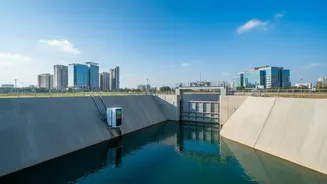
The Anatomy of a Smart Drain
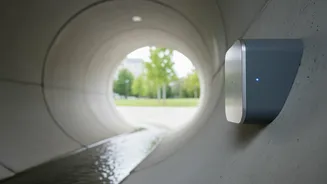
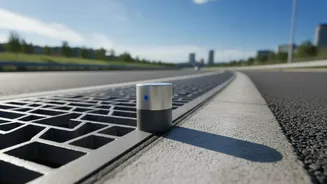
At the heart of a smart drainage system are Internet of Things (IoT) sensors. These are small, rugged devices placed at critical points within a city's drainage network, like manholes, underground pipes, and storm drains. Think of them as a nervous system for
the city's waterways. The most common types are ultrasonic sensors, which measure the distance to the water surface to determine its level, and flow meters, which track the speed at which water is moving. Some systems also incorporate cameras to visually inspect for blockages caused by silt or debris. These sensors are designed to be durable and operate on low power, transmitting their data wirelessly to a central control hub.
From Data Points to Actionable Insights
A sensor on its own is just a single data point. The real power comes from the network. Hundreds or thousands of these sensors continuously feed information—water level, flow rate, and blockage status—to a central platform in real-time. This platform uses data analytics and sometimes artificial intelligence (AI) to create a live map of the entire drainage network's capacity. Instead of discovering a problem when a street is already flooded, city officials can see a digital twin of the system, watching as certain pipelines begin to approach their limits. Algorithms can even predict which areas are most at risk of flooding based on incoming weather data and the current state of the drains.
Proactive Management Over Reactive Crisis
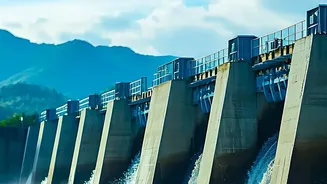
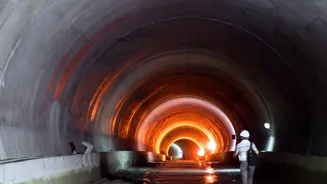
This real-time insight shifts flood management from a reactive to a proactive model. When the system detects rising water levels that could lead to an overflow, it can trigger automated alerts to municipal teams. In more advanced systems, it can even automatically operate gates or valves to divert water to underutilized parts of the drainage network, balancing the load and preventing localized flooding. This technology also helps with maintenance. Instead of costly and labor-intensive manual inspections of the entire network, the sensors pinpoint the exact location of blockages or failures. This allows for targeted, predictive maintenance, saving money and ensuring the system is functioning at full capacity before the next big storm hits.
The Indian Urban Context
For Indian cities, which face the dual challenges of rapid, often unplanned urbanization and increasingly erratic monsoons, this technology is particularly relevant. The concrete and asphalt that cover our urban landscapes prevent rainwater from seeping into the ground, putting immense pressure on drainage systems that are often decades old and poorly maintained. Smart drainage offers a way to maximize the efficiency of existing infrastructure. Several Indian cities have begun exploring pilot projects. The ability to anticipate flood-prone spots hours in advance could allow authorities to issue timely warnings, reroute traffic, and deploy emergency resources more effectively, potentially saving lives and reducing economic damage.
Hurdles on the Path to Implementation
Despite the clear benefits, widespread adoption faces significant challenges. The initial cost of purchasing and installing thousands of sensors can be high for cash-strapped municipalities. Integrating these new devices with legacy infrastructure requires careful planning to ensure compatibility. Furthermore, there are concerns about data security and the need for a skilled workforce to manage and interpret the data from these systems. For the technology to be effective, it can't just be about placing sensors; it requires a holistic approach that includes robust data platforms, clear action protocols, and a commitment to long-term maintenance.