



The Desert in Bloom
For decades, Rajasthan's travel calendar has been predictable: busy winters and a sweltering, quiet summer. But a new trend is emerging, turning the logic on its head. Travellers are now embracing the monsoon season, from July to September, to witness
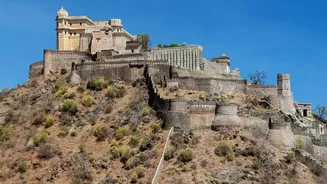
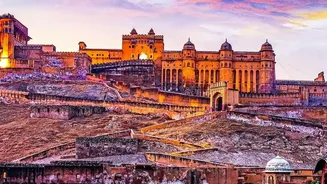
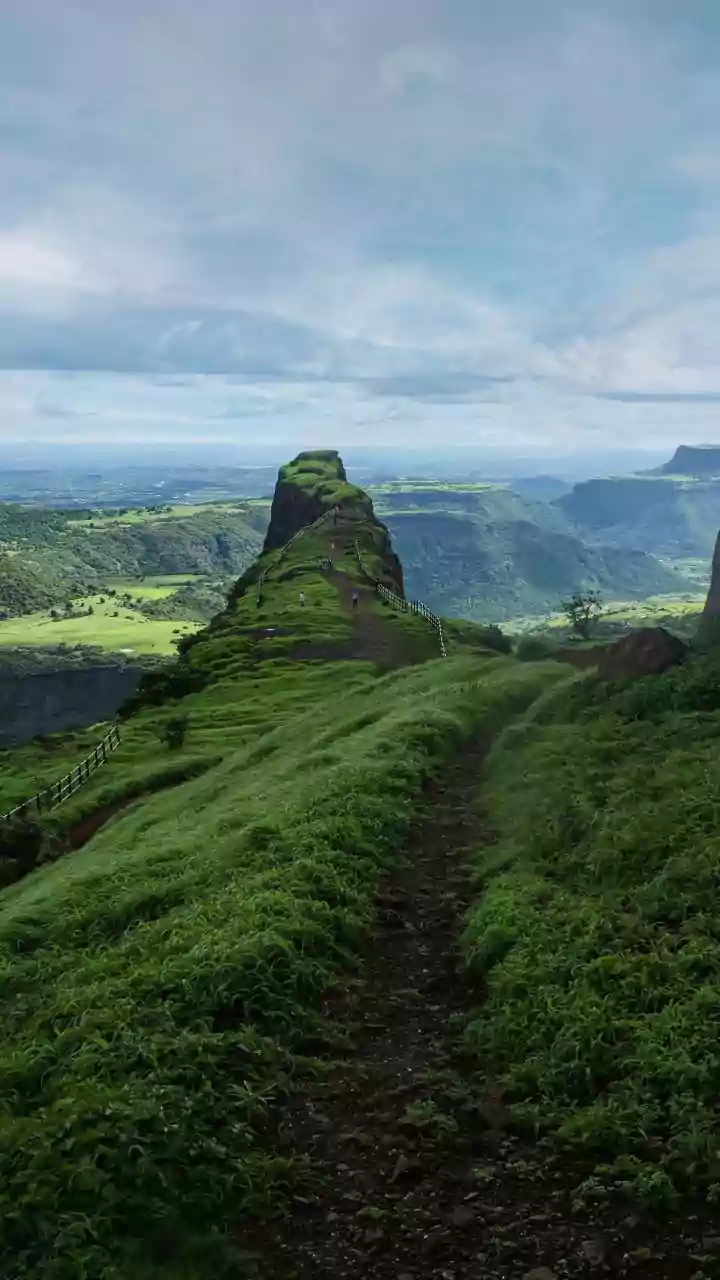
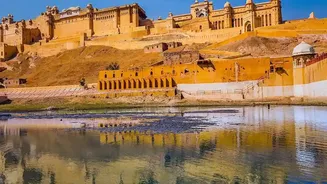
a magical transformation. The parched earth erupts in vibrant green, the Aravalli hills become lush, and the state's famous lakes and step-wells fill to the brim. This isn't the torrential downpour of other regions; Rajasthan's monsoon features intermittent, refreshing showers that cool the air and wash the dust off ancient forts, making them gleam. This shift, driven by a desire for unique experiences and fewer crowds, has been called 'green tourism', with recent trends showing a clear preference for immersive journeys during the rains.
From Arid to Verdant: Top Monsoon Escapes
The “City of Lakes,” Udaipur, becomes even more romantic as Lake Pichola and Fateh Sagar Lake swell, reflecting the cloud-draped Sajjangarh Monsoon Palace. Beyond Udaipur, destinations like Bundi, the 'City of Stepwells', offer an offbeat charm, with its blue houses, ancient fort, and over 50 step-wells turning into magical water features. For those seeking elevation, Mount Abu, the state's only hill station, becomes a misty retreat with hidden waterfalls and cool breezes. Even wildlife destinations like Ranthambore and Sariska, though their core zones may be closed, offer rewarding safaris in their lush buffer zones, which teem with life. The improved connectivity through new highways has also made these monsoon getaways more accessible for quick trips.
The Wetland Wonders
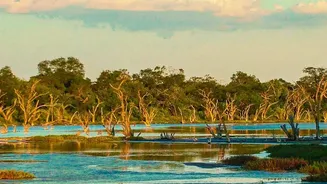
The monsoon is the lifeblood of Rajasthan's wetlands, both permanent and seasonal. Keoladeo National Park in Bharatpur, a UNESCO World Heritage Site, is a prime example. During these months, the park becomes a verdant paradise and a crucial breeding ground for resident birds like storks, egrets, and herons, long before the winter migrants arrive. Beyond this famed sanctuary, the rains create countless temporary wetlands. In 2025, two new wetland areas in Rajasthan, Menar in Udaipur and Khichan in Phalodi, were designated as Ramsar sites of international importance. Menar, a freshwater monsoon wetland, is a vital stop on the Central Asian Flyway for migratory birds and is protected by the local community. These sites underscore the growing relevance of Rajasthan's monsoon ecology.
A New Kind of Tourism
This monsoon travel surge is not just a passing trend; it reflects a deeper shift in traveller priorities. Visitors are increasingly seeking authenticity over a curated 'peak season' experience. The benefits are tangible: hotel and travel rates are often significantly lower, and popular monuments can be explored peacefully without the usual crowds. This allows for more meaningful interactions and a slower, more reflective pace of travel. Furthermore, the increasing rainfall in the region over the past two decades is contributing to a 'greening' of the Thar desert itself, subtly reshaping its ecology. This makes monsoon travel not just an off-season alternative, but a chance to witness a state in dynamic transition, offering a glimpse into its ecological future while providing a boost to the local hospitality industry.