





The Digital Handshake at the Border
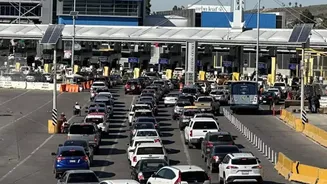
The traditional image of a border crossing—long lines, manual passport stamping, and extensive paperwork—is rapidly being replaced by a more streamlined, tech-driven process. Many countries are moving away from physical visa stickers towards Electronic
Travel Authorisations (ETAs) and sophisticated e-visa systems that allow for pre-screening of travellers. For tourists, this means a simpler, faster application from the comfort of their home. For governments, it provides an opportunity to conduct security checks before a traveller even arrives at the border. Thailand, a major tourism hub for Indian travellers, has been a key example of this evolution. While it has adjusted its visa-free stay durations to manage tourist flows and security, its adoption of digital arrival cards and global e-visa systems highlights a broader regional trend. These systems are designed to collect passenger information in advance, allowing authorities to flag potential risks without inconveniencing the vast majority of legitimate tourists.
Balancing Trust with Technology
The core of modern border management lies in a delicate balance between welcoming tourists and maintaining national security. This is where technology plays a pivotal role. Advanced border control now often involves biometric data collection, such as facial recognition and fingerprint scanning, integrated at land, sea, and air checkpoints. These systems help create a digital identity for each traveller, making it significantly harder for individuals to use fraudulent documents. Furthermore, many countries engage in intelligence sharing with neighbouring nations and international security agencies. These shared databases allow border officials to cross-reference traveller information against watchlists for crime and terrorism in near real-time. This behind-the-scenes cooperation is what makes a seamless tourist experience possible. The clearance is granted not just based on the passport, but on a complex risk assessment powered by shared data and advanced analytics, ensuring that increased openness does not compromise safety.
The Economic Imperative
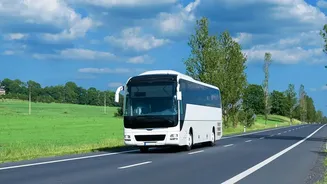
The primary motivation behind simplifying visa rules is economic. International tourism is a massive contributor to global GDP, and countries are in constant competition for visitors. Visa-free access is a powerful tool to attract tourists, who then spend money on hotels, food, local transport, and souvenirs, creating jobs and stimulating local economies. Overland travellers, in particular, can bring significant benefits to remote border towns that might otherwise be bypassed by air travel. By making it easier for people to cross, countries encourage multi-destination trips, boosting regional tourism as a whole. The logic is simple: the easier it is to visit, the more people will come. This economic rationale pushes governments to invest in the technology and policies needed to facilitate smooth entry, viewing it as an investment in their national tourism industry.
A Look at Our Own Neighbourhood
For Indian travellers, these developments are especially relevant. In our immediate neighbourhood, policies vary. Nepal and Bhutan offer unique models of access for Indians. While Nepal has a long-standing open border arrangement, Bhutan manages its 'High Value, Low Volume' tourism policy with a daily sustainable development fee, balancing accessibility with preservation. Further east, Southeast Asian nations like Malaysia and Thailand have offered visa-free entry for Indians to boost tourism, though these policies are often subject to review and change based on economic and security assessments. These temporary or conditional visa waivers serve as a testing ground, allowing countries to gauge the economic benefits against any potential risks before making them permanent. The constant adjustments reflect the dynamic nature of this balancing act in a region that is one of the world's most popular tourist destinations.