




The Rise of Resilient Materials
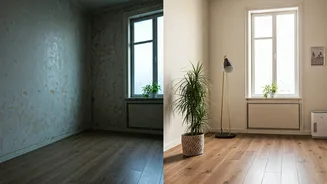
The primary challenge during the rainy season is moisture, which can lead to warped wood, peeling paint, and mould. This has fuelled a trend towards materials that are built to withstand damp conditions. For furniture and cabinets, marine-grade plywood
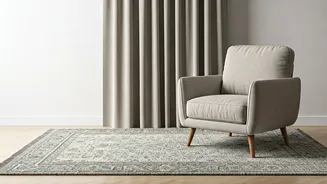
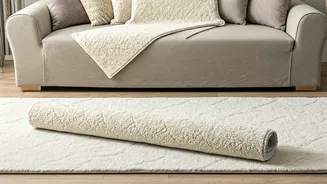
and PVC laminates are gaining popularity. These materials resist swelling and are easy to clean, making them ideal for high-humidity zones like kitchens and bathrooms. For flooring, materials like vitrified tiles, marble, and granite are preferred because they are non-porous and don't trap moisture like heavy carpets. Many homeowners now roll up and store their expensive rugs during the monsoon to prevent them from developing mould and a musty smell.
Smart Furniture Choices
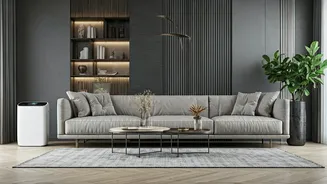
When it comes to furniture, the focus is on durability and smart design. Untreated woods and materials like MDF or particleboard are being avoided as they are highly susceptible to moisture damage. Instead, there's a growing preference for furniture made from treated wood, powder-coated metals like aluminium, and natural materials like bamboo and rattan, which are inherently resistant to humidity. Designers also recommend leaving a small gap between furniture and walls to improve air circulation and prevent the buildup of dampness. Lightweight and multifunctional pieces, such as ottoman stools, are also trending as they offer flexibility in smaller spaces and can be moved easily.
Managing Moisture and Airflow
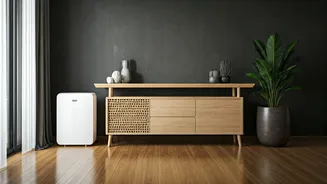
Practical monsoon interiors are not just about materials, but also about managing the indoor environment. Good ventilation is crucial. Homeowners are encouraged to open windows during dry spells to allow for cross-ventilation and use exhaust fans in kitchens and bathrooms to expel moist air. To combat persistent dampness, natural moisture absorbers are being used creatively. Bowls of rock salt or activated charcoal, as well as silica gel packets, are placed in wardrobes and cabinets to keep clothes and stored items dry and odour-free. Investing in a good dehumidifier is another practical step for areas prone to high humidity.
Decor That Works Harder
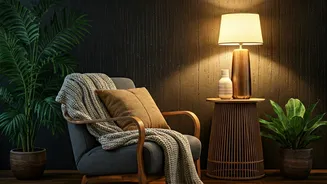
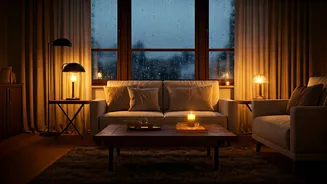
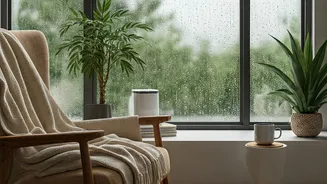
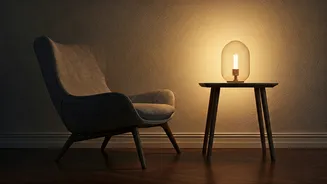
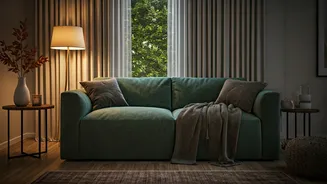
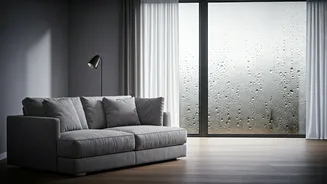
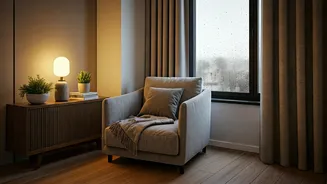
A practical home doesn't have to be a boring one. The gloominess of overcast days is being countered with smart decor choices. Heavy curtains are being swapped for sheer or lace fabrics that let in maximum daylight while preventing the room from feeling stuffy. To combat the grey skies, vibrant colours are being introduced through cushion covers, throws, and other textiles in shades like mustard yellow, teal, and coral. Indoor plants that thrive in humidity, such as peace lilies, snake plants, and ferns, are being used to add a touch of nature, improve air quality, and absorb excess moisture. Finally, warm, layered lighting from floor and table lamps helps create a cosy atmosphere on dreary days.
A Practical Entryway
The battle against monsoon dampness begins at the front door. A dedicated space for wet items prevents mud and water from being tracked through the house. Practical additions include a sturdy umbrella stand and using coir doormats instead of fabric ones, as they are better at scraping off mud and absorbing water. Keeping a shoe rack near the entrance also helps contain wet footwear. These simple, functional setups are becoming standard in homes, proving that a little bit of planning can keep the rest of the home clean and dry throughout the season.