




The New Economic Reality
The traditional path of securing one stable job to last a lifetime is fading. In its place is a new economic landscape defined by persistent inflation, stagnant salary growth in many sectors, and a lingering sense of job insecurity amplified by the pandemic.
The cost of living in urban India continues to climb, with expenses for housing, education, and healthcare often outpacing income hikes. A single salary, once a symbol of middle-class security, now feels stretched thin. This financial pressure is the primary driver pushing professionals to look beyond their 9-to-5. It’s no longer just about ambition; for many, it's about building a financial buffer to withstand economic shocks and maintain their quality of life.
Beyond Extra Cash: A Strategic Asset
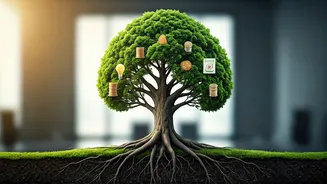
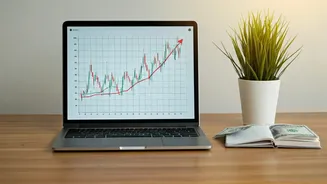
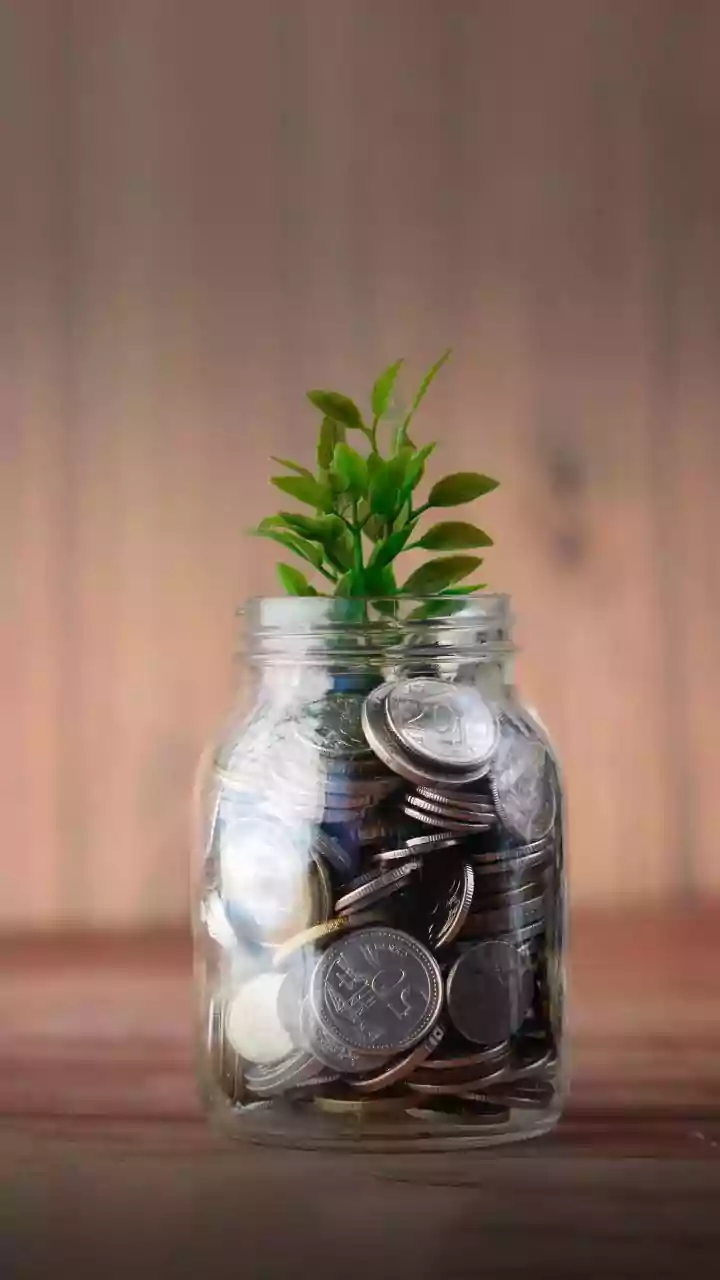
The smartest way to view a side hustle is not as a desperate scramble for cash, but as a strategic asset in your personal finance portfolio. Think of it as income diversification. Relying on one source of income is like investing all your money in a single stock—it’s inherently risky. A second or third income stream provides a crucial safety net. If a primary job is lost, the side hustle can act as a bridge, reducing financial panic and providing breathing room to find the next right opportunity. Furthermore, it allows for accelerated financial goals. With an additional income stream, you can pay down debt faster, build an emergency fund quicker, and invest more aggressively for long-term goals like retirement or a down payment on a home. It transforms financial planning from a defensive game to an offensive one.
The Modern Indian Side Hustle
The gig economy has democratised the side hustle. The options available today are vast and often leverage skills you already possess. Digital skills are in high demand. This includes content creation (YouTube, Instagram, blogging), freelance writing, graphic design, social media management, and web development. For those with specialised knowledge, online tutoring, corporate training, or offering consultations in their field of expertise (like marketing or finance) can be highly lucrative. The rise of e-commerce has also enabled people to start small businesses, from dropshipping to selling handmade crafts or artisanal food products on platforms like Instagram. Even service-based hustles like fitness coaching, personal styling, or weekend photography are thriving, turning hobbies into profitable ventures.
Balancing The Hustle Without Burning Out
The biggest challenge is not starting a side hustle, but sustaining it without sacrificing your mental health or performance at your primary job. Success requires a strategic, not frantic, approach. First, be realistic about your time. Audit your week to find pockets of free time—early mornings, late evenings, weekends—and dedicate them to your hustle. Second, choose something you genuinely enjoy or are good at. A side hustle you resent will quickly lead to burnout. Third, leverage technology. Use scheduling tools, automation, and project management apps to stay organised and efficient. Finally, and most importantly, set clear boundaries. Know when to work on your side gig and when to switch off completely to rest and recharge. It's a marathon, not a sprint, and managing your energy is just as important as managing your time.