






What Exactly Is an eVisa?
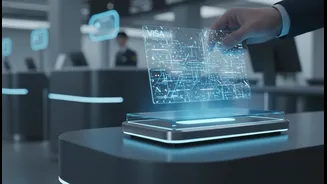
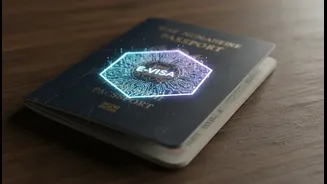
An electronic visa, or eVisa, is a digital travel permit that you can apply for entirely online. Unlike a traditional visa that requires you to submit your physical passport and documents at a consulate, the eVisa process happens from the comfort of your home.
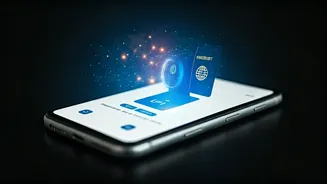
You fill out a form on an official government website, upload digital copies of your documents like your passport and a photograph, and pay the fee online. If your application is approved, the visa is sent to your email, usually as a PDF. You simply print it out and present it to immigration officials upon arrival. It’s a streamlined, paperless alternative designed for short-term visits like tourism, business meetings, or medical treatments.
The Key Benefits for Indian Travellers
The shift to eVisas brings several major advantages. The most significant is convenience. The ability to apply from anywhere without visiting an embassy saves considerable time and effort. Processing times are also much faster, with many eVisas being approved within two to five business days, which is ideal for spontaneous trips. Furthermore, eVisas are often more cost-effective than traditional visas, with transparent online pricing. The digital nature of the application also means you can track its status online, providing peace of mind and reducing the uncertainty that often accompanies visa applications.
Destinations Now Within Easier Reach
A growing number of countries are opening their doors to Indian passport holders through eVisas. As of 2026, reports indicate that over 50 countries offer this facility to Indians. Popular tourist hotspots in Southeast Asia like Malaysia, Vietnam, and Sri Lanka are among the top choices for their straightforward eVisa processes. Other sought-after destinations include Turkey, Egypt, Kenya, Georgia, Azerbaijan, and Oman. This expansion makes it significantly easier to plan trips to a diverse range of locations across Asia, Africa, and the Middle East without the logistical hurdles of the past.
The Schengen Area Goes Digital
One of the most anticipated developments is the digitalisation of the Schengen visa for travel to Europe. While not fully an eVisa in the same vein as others, the process is being fundamentally restructured. The European Union is transitioning to a system where applications will be submitted through a single online EU portal. Instead of a physical sticker in your passport, you'll receive a secure digital barcode. While you may still need to visit a visa centre for initial biometric enrollment, the goal is to make the entire process, from application to approval, digital. The full system is expected to be operational for all member states by 2028, but the rollout is happening in phases starting in 2026.
How to Navigate the New System
Applying for an eVisa is generally straightforward, but it's crucial to be meticulous. Always use the official government website for the country you plan to visit to avoid scams. The application process typically involves filling out a form with your passport and travel details, uploading required documents, and paying the fee. Once approved, you'll receive an Electronic Travel Authorisation (ETA) via email. It's essential to check the specific requirements for each country, as they can vary regarding processing times, required documents, and the validity of the visa. For instance, your passport generally needs to be valid for at least six months from your date of arrival and have blank pages for stamps.