



The Great Shift: From Strands to Scalp
The latest evolution in beauty isn't about a new colour or cut; it's about a fundamental change in focus. Experts and consumers alike are embracing the "skinification" of hair, a trend that applies the principles of advanced skincare directly to the scalp.
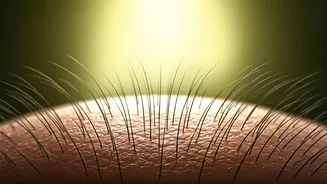
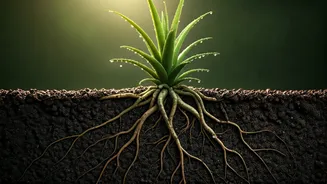
[2, 3, 5] The idea is simple but revolutionary: healthy hair can only grow from a healthy foundation. [6] Instead of just masking issues on the hair shaft, the priority is now nurturing the scalp's delicate ecosystem. [2] This means moving beyond basic cleansing to incorporate targeted treatments, ingredients, and routines that balance, protect, and revitalise the skin on our heads. [9, 13] The Indian haircare market is seeing a significant shift away from temporary solutions towards products that offer long-term, science-backed results. [25]
Decoding the Scalp-First Routine
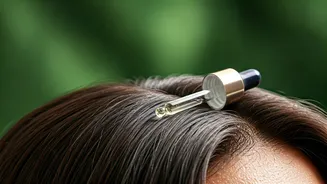
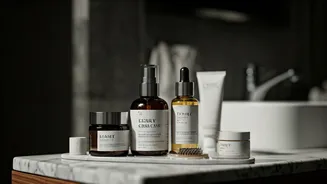
So what does a scalp-first routine look like? It borrows heavily from a modern skincare regimen. It might start with exfoliation, using ingredients like salicylic or glycolic acid to remove dead skin cells and product buildup that can clog follicles. [3] This is followed by cleansing with a shampoo chosen for your scalp type—not just your hair type. [12] The star players, however, are the new wave of scalp serums, which deliver concentrated active ingredients directly to the roots. [10, 11] Look for powerhouse ingredients once reserved for face creams: hyaluronic acid for hydration, niacinamide to support keratin production, and ceramides to reinforce the skin barrier. [4, 7, 18] Even tools like scalp massagers are gaining popularity, used to boost circulation and enhance product absorption. [20, 27]
Nourishment from Within: Eating for Your Roots
Topical treatments are only half the story. Trichologists consistently point out that hair health is an inside job, reflecting our internal state. [21] A balanced diet is fundamental for strong roots. Since hair is primarily made of a protein called keratin, adequate protein intake from sources like eggs, lentils, paneer, and fish is non-negotiable. [14, 17, 29] Crucial micronutrients also play a huge role. Iron deficiency is a major cause of hair fall, so incorporating spinach, beans, and lean meats is vital. [19, 30] Biotin (Vitamin B7), found in eggs and nuts, supports keratin production, while omega-3 fatty acids, from fish and flaxseeds, help maintain a hydrated scalp. [17, 27, 29] Vitamins A, C, D, and E are also essential for follicle health and protecting against oxidative stress. [15, 16, 27]
Managing the Invisible Factor: Stress
You can have the best products and a perfect diet, but chronic stress can still undermine your efforts. High levels of the stress hormone cortisol can disrupt the hair growth cycle, leading to increased shedding and thinning. [14] This makes stress management an essential, if often overlooked, part of any serious haircare regimen. Practices like yoga, meditation, and even simple daily walks can help lower cortisol levels and improve overall well-being, which in turn supports a healthier scalp environment. [14] Ensuring you get enough quality sleep is also critical, as this is when the body undertakes most of its repair and regeneration, including at the hair follicles. [14, 19]
When to Call in the Experts
While a dedicated home routine can work wonders, some issues require professional help. If you're experiencing persistent hair loss, an intensely itchy or flaky scalp, or other worrying symptoms, it's time to consult a trichologist or dermatologist. [12, 22] These specialists can diagnose underlying conditions, from hormonal imbalances to specific scalp disorders, and offer targeted treatments that go beyond what's available over the counter. [12] They can provide a proper diagnosis and create a personalised plan that might include medicated treatments or clinical procedures. [22]