



From Sightseeing to 'Sensing'
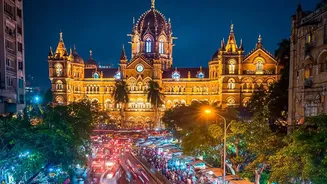
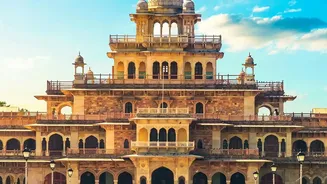
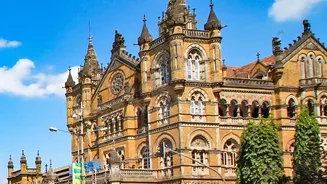
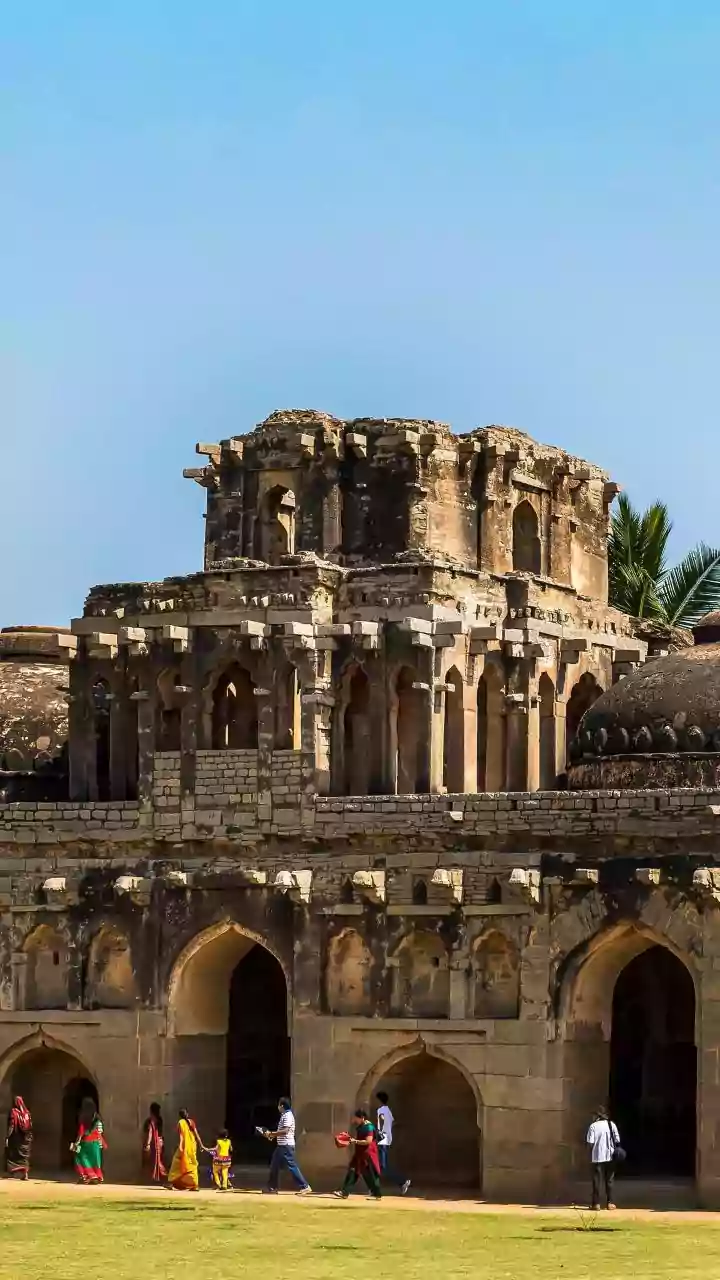
For decades, urban exploration in India meant hopping between historical landmarks. While the grandeur of the Taj Mahal or the Gateway of India remains undeniable, a significant shift is underway. Modern travellers, both international and domestic, are
no longer content to just see a city; they want to feel, taste, and understand it. This has given rise to experiential tourism, where the focus moves from passive observation to active participation. Instead of just viewing a monument, people want to hear the stories whispered in the alleys surrounding it, learn the history of its local community, and taste the food that has been prepared there for generations. This desire for authenticity is fundamentally changing what it means to be a tourist in your own country or abroad.
A Taste of True Culture
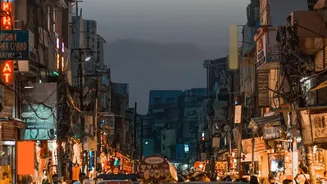
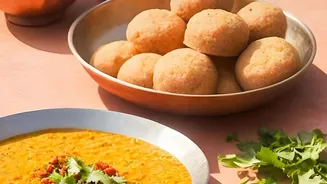
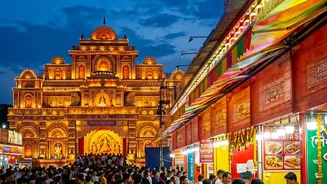
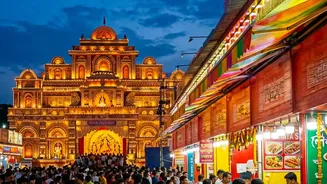
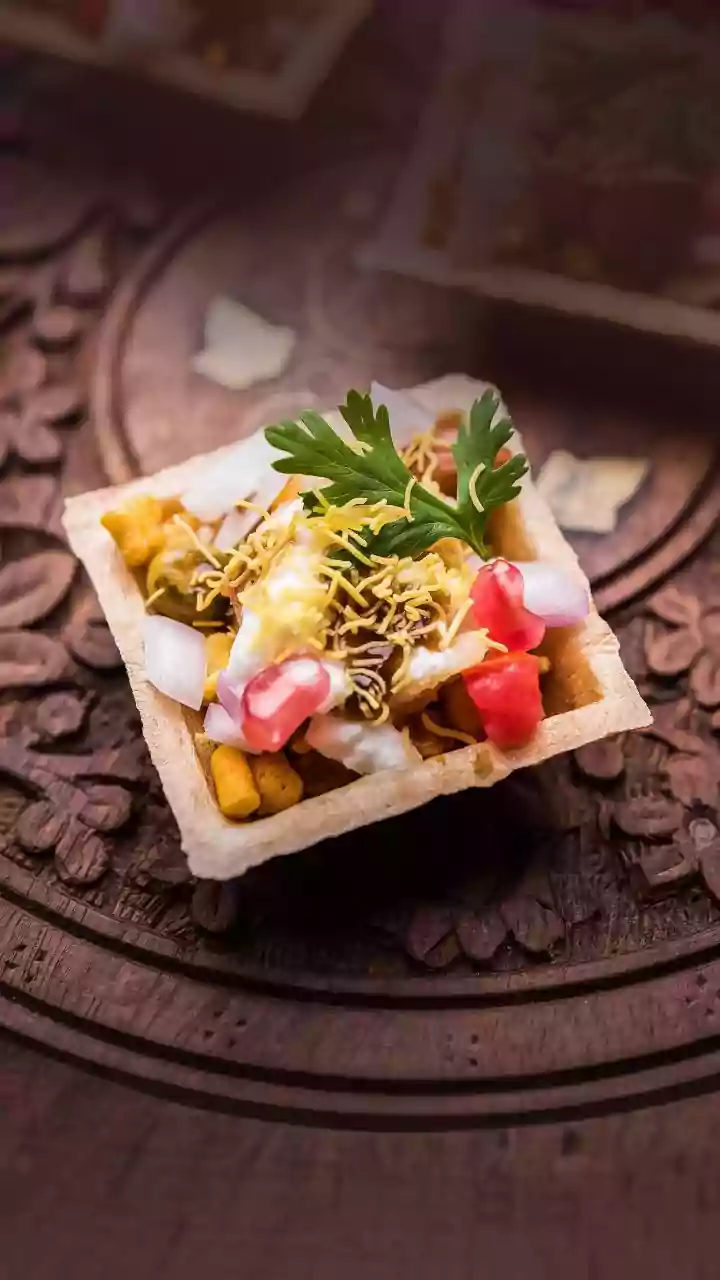
At the heart of this transformation are guided food walks. From the kebab-laden lanes of Old Delhi and Lucknow to Mumbai's vibrant 'khau gallis' and Kolkata's historic culinary scene, these tours offer a passport to the city's living culture. Food is the entry point, but the experience is much richer. Participants don't just sample dishes; they learn about the communities that created them, the history behind a particular spice blend, or the generational story of a family-run eatery. A walk through Chandni Chowk isn't just about tasting parathas and jalebis; it’s about understanding the Mughal influence, the evolution of street food, and the daily hustle of a centuries-old market. These tours offer a curated but deeply authentic slice of life that is often inaccessible to the solo traveller.
The Local Expert Advantage
A key reason for the success of these experiences is the guide. These are not typical tour operators reciting memorised scripts. They are often passionate locals—historians, chefs, journalists, or simply die-hard foodies—who possess an intimate knowledge of their city. They provide context, share personal anecdotes, and navigate the chaotic, beautiful maze of city streets with an insider’s ease. They know which vendors are hygienic, which dishes are must-tries, and how to bridge the language and cultural gap. This expert guidance transforms a potentially overwhelming experience into a comfortable and enlightening journey, allowing participants to connect with the destination on a much deeper level.
More Than Just a Meal
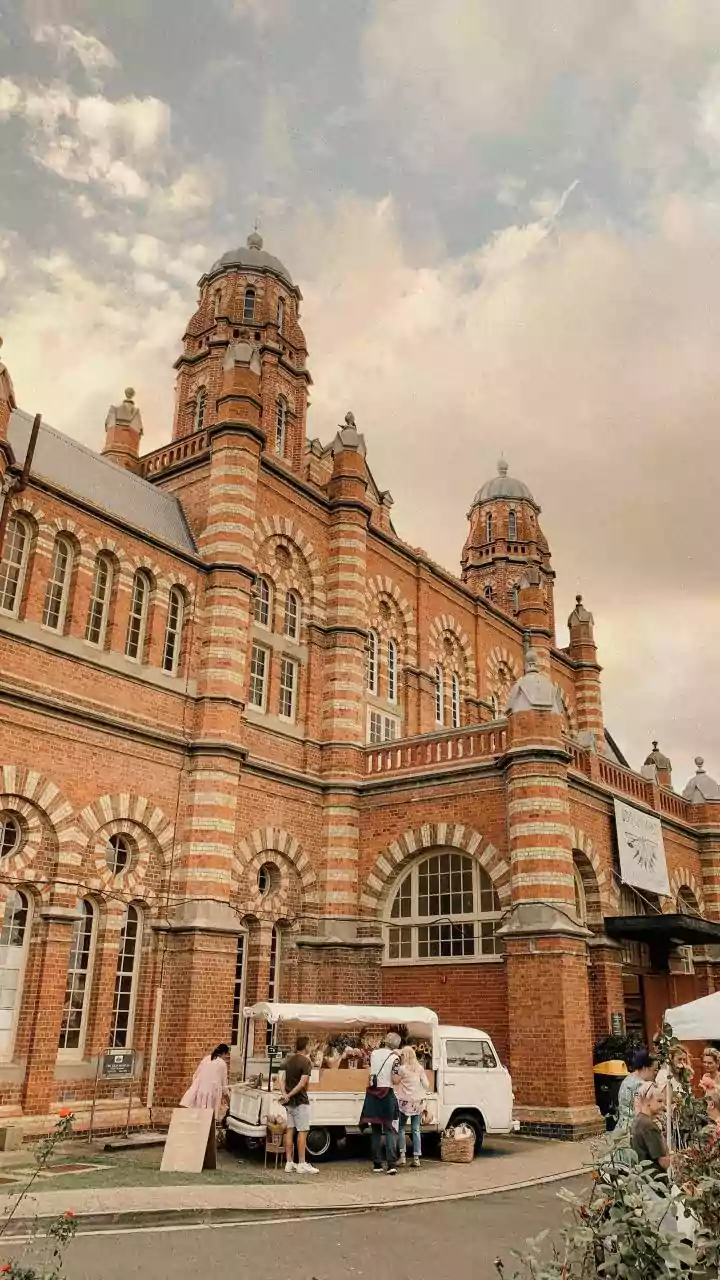
While food is often the main draw, the trend extends to a broader range of local experiences. This includes heritage walks that focus on specific architectural styles, bazaar tours that dive into local crafts, and even 'supermarket tourism', where travellers explore local grocery stores to discover regional ingredients. In cities like Kolkata, you can find tours of old coffee houses where intellectuals have debated for decades, or explore the potters' quarters of Kumartuli. In others, you can join cooking classes in a local family's home, visit farms to see where ingredients are sourced, or learn about traditional crafts directly from artisans. These activities all stem from the same desire: to move beyond the surface and engage with the authentic, living fabric of a place.
An Engine for the Local Economy
This shift in tourism also has a significant economic benefit. Unlike large, impersonal tour packages, these guided walks and local experiences channel money directly into the hands of small-business owners. They support the street vendor who has been perfecting his chaat recipe for 30 years, the family-run restaurant, and the local guide who is self-employed. By celebrating and creating demand for hyperlocal specialities, this trend helps preserve culinary traditions and supports grassroots entrepreneurship. It's a more sustainable model of tourism, where the benefits are shared more equitably within the community, ensuring that the culture being celebrated also thrives.