




Trading Coastlines for Culture
While southern Bali's beach towns like Seminyak and Canggu are famous for surf, sun, and sand, Ubud is widely considered the island's cultural and artistic capital. Instead of beach clubs, its streets are lined with art galleries, traditional craft markets,
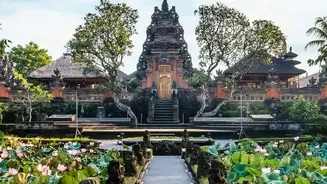
and workshops for everything from batik painting to wood carving. Evenings that might be spent in a loud bar on the coast are often dedicated to watching traditional Kecak fire dances or Gamelan performances at the Ubud Palace. This focus on heritage provides a deeper connection to Balinese life that can be harder to find amidst the international restaurants and nightlife of the more developed beach zones.
The Affordability Factor
Your budget will almost certainly stretch further inland. The primary reason is the absence of a 'beachfront premium' on land and services. Comparable accommodation in Seminyak can cost around 40% more than in Ubud. A private pool villa with jungle or rice field views in the Ubud area is often significantly cheaper than a similar quality property near the beach. This price difference extends to daily expenses. Meals at local eateries, known as 'warungs', are famously budget-friendly in Ubud, and many of the area's key attractions, like walking through rice paddies or visiting temples, are either free or have a minimal entry fee.
A Different Pace of Life
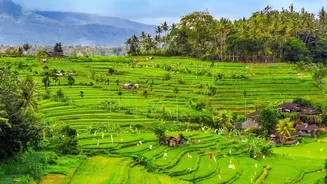
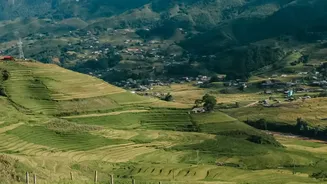
The atmosphere in Ubud is fundamentally more relaxed than in the bustling southern beach towns. While central Ubud can get busy, the overall vibe is one of wellness and tranquility. It's a global hub for yoga and meditation, with countless studios and retreats catering to all levels. The landscape itself, dominated by lush river valleys, terraced rice fields, and dense jungle, encourages a slower, more mindful approach to your holiday. This contrasts with the high-energy, party-centric environments of Kuta or the trendy, digital-nomad-driven buzz of Canggu, offering a genuine escape for those looking to decompress.
Escaping the Crowds
While no popular destination in Bali is truly empty, the nature of crowding is different in Ubud. The main tourist traffic is often concentrated in a few central streets. A short ten-minute drive or walk away can lead you to quiet villages and serene natural settings. The vastness of the surrounding countryside provides more opportunities to find solitude compared to the geographically concentrated beach strips of the south. Destinations like the Jatiluwih Rice Terraces offer a less commercialized and more expansive alternative to the viewpoints closer to central Ubud, showcasing how venturing just a little further afield can yield a more peaceful experience.
A Base for Natural Exploration
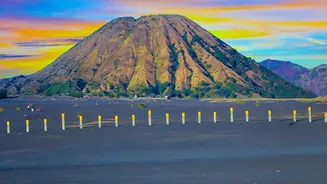
Ubud's central location makes it an ideal base for exploring a different side of Bali's natural beauty. While the coast offers ocean views, Ubud provides easy access to waterfalls, volcanoes, and scenic hikes like the Campuhan Ridge Walk. Day trips to destinations like the Tegenungan Waterfall or a sunrise trek up Mount Batur are popular excursions that showcase the island's dramatic inland geography. This makes it a haven for travelers more interested in nature treks and lush green landscapes than in surfing and sunbathing.