




The Modern Kitchen’s Dilemma
In today’s fast-paced world, especially in smaller households or for those with unpredictable schedules, managing fresh produce can be a real challenge. Whether you're a single professional who often gets last-minute dinner invitations, a couple whose
work travel is erratic, or a small family with picky eaters, fresh ingredients can easily spoil before you have a chance to use them. This isn't just a personal frustration; it's a significant issue. In India, household food waste is estimated at 50 kg per person annually. This waste not only hits your wallet but also squanders the resources like water and energy used to grow and transport the food. The guilt of throwing away food is real, but the solution might be simpler and colder than you think.
Debunking the 'Fresh is Best' Myth
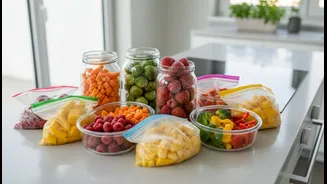
For years, we've been told that fresh produce is the gold standard of nutrition. While fruits and vegetables plucked straight from a garden are fantastic, the 'fresh' produce in a supermarket has a different story. It can spend days or even weeks in transit and storage, losing nutrients like vitamin C along the way. This is where frozen produce shines. Fruits and vegetables destined for the freezer are typically picked at their peak ripeness and then 'flash-frozen' within hours. This rapid freezing process uses extremely low temperatures to lock in vitamins, minerals, and flavour, preventing the nutrient loss that occurs over time in fresh produce. Studies have shown that frozen items like peas, corn, and blueberries can have comparable or even higher levels of certain vitamins than their fresh counterparts that have been sitting in a fridge for a few days.
Your Wallet and Schedule Will Thank You
One of the most immediate benefits of embracing frozen produce is the cost savings. Frozen fruits and vegetables are often more affordable than fresh, especially for items that are out of season. Because they have a much longer shelf life, you can buy them without the pressure of using them up immediately. This drastically reduces the amount of money you throw in the bin due to spoilage. The convenience factor is also a huge plus. Frozen produce usually comes pre-washed and pre-chopped, saving you precious prep time on busy evenings. Instead of washing and chopping, you can simply grab a handful of what you need and add it directly to your pan, pot, or blender. This makes whipping up a quick, healthy meal far more achievable.
Tips for Cooking with Frozen Produce
The key to delicious meals with frozen vegetables is knowing how to cook them to avoid a soggy texture. The golden rule is, in most cases, do not thaw them first. Cooking from frozen helps retain texture. High-heat methods work best. Try roasting frozen broccoli or cauliflower on a hot sheet pan until the edges get crispy, or tossing frozen peas and corn into a hot, oiled pan to sauté. Steaming is another excellent method that prevents vegetables from becoming waterlogged, unlike boiling. When adding frozen vegetables to a stir-fry, it's often best to add them near the end of cooking to just heat them through without overcooking. For smoothies, frozen fruits are a game-changer, creating a thick, creamy texture without the need for ice that can water down the flavour.