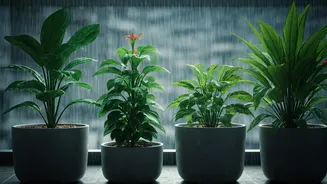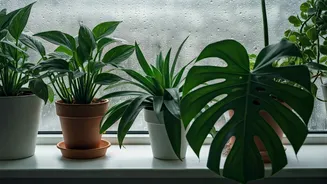



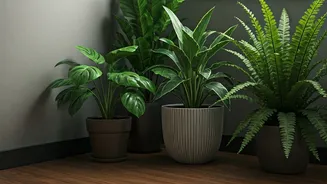
Why Monsoon Gardening Needs a 'Smart' Approach
Gardening during the Indian monsoon is different. While the air is humid, which many plants love, the challenges are unique. Natural light is significantly reduced, and the constant dampness can create problems if not managed correctly. [4] Overwatering
becomes the number one enemy, leading to root rot, while high humidity can invite fungal diseases and pests. [16, 19] A 'smarter' approach means choosing the right plants and adjusting your care routine to work with the season, not against it. Instead of just adding water, we need to focus on drainage, air circulation, and light management.
The Ideal Monsoon Plant Roster
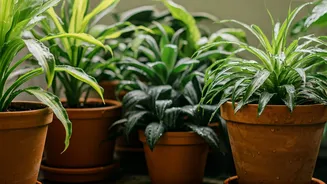
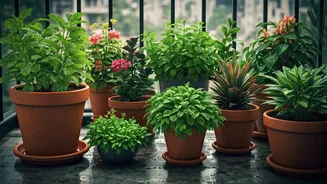
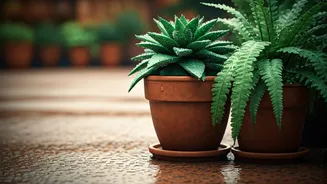
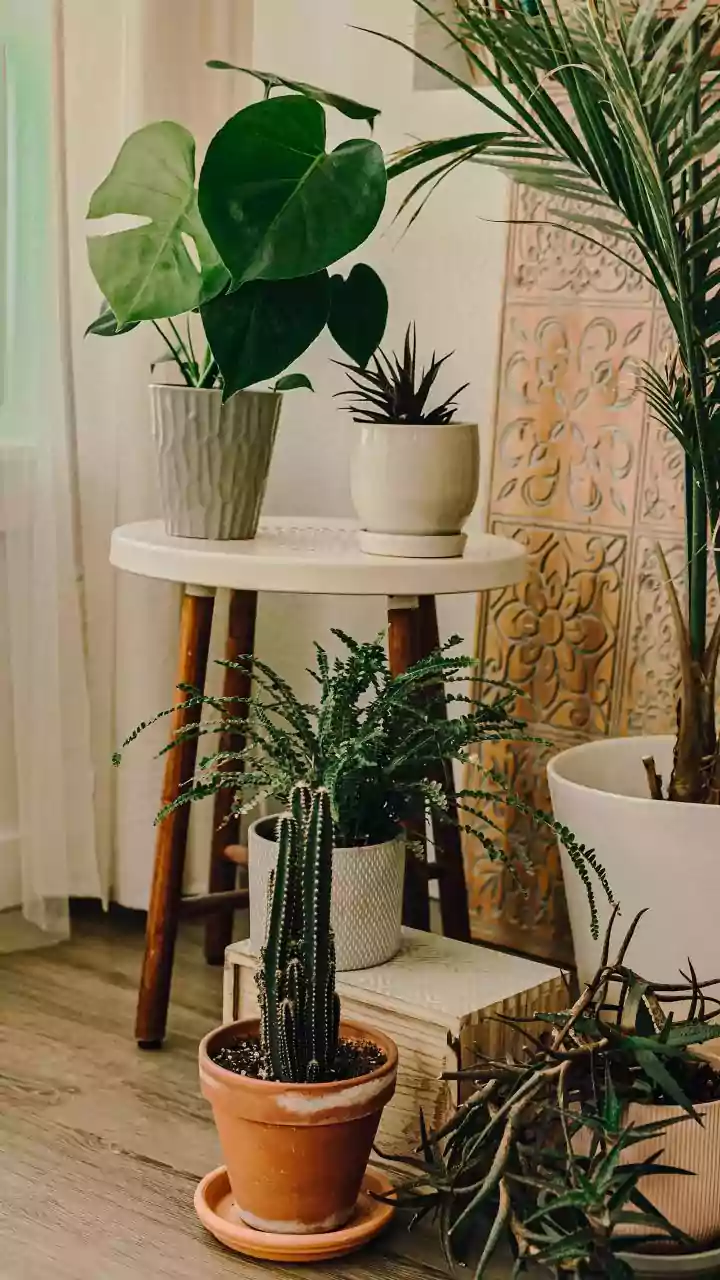
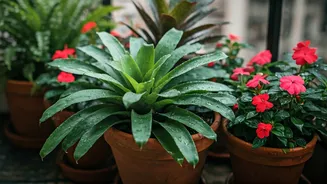
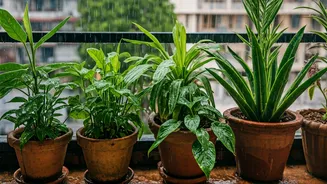
The key is to select plants that thrive in the exact conditions the monsoon creates: high humidity and lower light. Fortunately, many popular houseplants are perfect for this. Top choices for Indian homes include: * **Snake Plant:** Almost indestructible, it tolerates low light and high humidity exceptionally well. [3, 8] * **ZZ Plant:** With glossy, waxy leaves, this plant is drought-tolerant and perfect for beginners. It doesn't need much light or water, making it ideal for the rainy season. [7, 8] * **Pothos (Money Plant):** Known for its vigorous growth, the Pothos loves the high humidity of the monsoon and can thrive even in corners with indirect light. [8, 10] * **Aglaonema (Chinese Evergreen):** These vibrant, leafy plants are well-suited for low to moderate light and thrive in humid conditions, brightening up any gloomy corner. [7] * **Areca Palm:** This elegant palm is a natural humidifier that also loves moisture, making it a perfect fit for the season. [3, 10]
Solving the Low-Light Problem
The biggest challenge during overcast months is the lack of bright, consistent sunlight. While the plants listed above are tolerant, they still need some light for photosynthesis. [2] The first step is strategic placement: move your plants closer to windows, especially those facing east or north, which provide gentle, indirect light. For darker spaces or for plants that need a bit more of a boost, consider investing in affordable LED grow lights. [6] These artificial light sources can mimic sunlight, providing the necessary energy for your plants to stay healthy. A general rule is to provide 12-16 hours of artificial light, placed about 6-12 inches from the plant. [2, 6]
Watering Wisdom: Less Is More
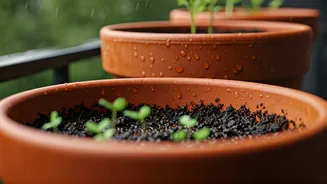
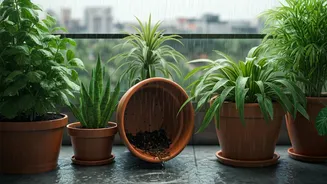
During the monsoon, the mantra for watering is simple: when in doubt, don't. The high humidity means that the soil in your pots will stay moist for much longer than it does in the summer. [18] Overwatering is the fastest way to kill a plant during this season, as it suffocates the roots and leads to rot. [4, 16] Before you even think about watering, use the finger test: stick your finger about an inch into the soil. If it feels damp, wait another day or two. [4] Ensure every pot has drainage holes to let excess water escape. [14]
Managing Humidity and Preventing Pests
While many tropical plants enjoy high humidity, stagnant, damp air can be a breeding ground for fungal diseases like powdery mildew and pests like fungus gnats. [19, 25] The solution is to improve air circulation. If possible, open your windows for a while on dry days, or use a small fan to keep the air moving around your plants. [18] Wiping leaves with a damp cloth can also prevent fungal growth. [3] Be vigilant and inspect your plants regularly for common monsoon pests like mealybugs and aphids. [16] A simple spray of diluted neem oil can act as an effective, organic preventive measure. [12, 16]