






Understanding a Cat’s Need to Hide
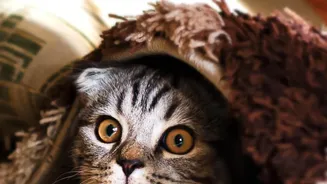
Cats are creatures of habit and territory. In the wild, they are both predators and prey, an instinct that remains sharp in our domestic companions. Sudden changes, loud noises, and unfamiliar people can trigger a powerful stress response. Their default
behavior when faced with a potential threat is often to flee and hide. In a compact apartment, there are fewer places to retreat, making unexpected disruptions particularly overwhelming. Signs of stress can include hiding, excessive grooming, loss of appetite, or aggression. A designated safe space isn't just a nice-to-have; it's a biological necessity that gives your cat a sense of control and security in their environment.
Anatomy of a Perfect Feline Sanctuary
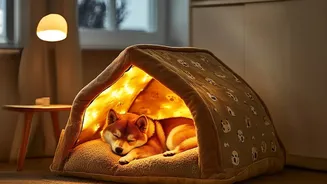
The ideal safe space is more than just a hiding spot; it's a carefully prepared sanctuary. Choose a quiet room or corner away from heavy foot traffic, like a spare bedroom or office. The key is that the cat can retreat there without feeling trapped. Equip this area with everything they need: a comfortable bed with familiar scents (like a blanket you've used), food and water bowls, and a separate litter box. Cats feel safer in enclosed or elevated spaces, so a covered bed, a cat tree with a cubby, or even a simple cardboard box on its side can be perfect. The goal is to create a predictable, comfortable zone that belongs entirely to them.
Preparing for Planned Disruptions
When you know guests are coming or a repair person is scheduled, you can proactively manage your cat's stress. Before the disruption begins, lead your cat to their safe room. Ensure the door is securely closed and consider putting a sign on it asking people not to enter. This prevents well-meaning guests or workers from accidentally letting the cat out or disturbing them. To help muffle loud sounds, you can play soft classical music or turn on a white noise machine inside the room. Using a synthetic feline pheromone diffuser, like Feliway, can also help create a calming atmosphere. Start these preparations before the event so your cat is already settled when the noise begins.
Managing Guests and Your Cat’s Social Comfort
Not all cats want to be the life of the party. For shy or introverted felines, a house full of strangers can be a nightmare. It is crucial to instruct your guests, especially children, to give the cat space and not to force interactions. Never allow a guest to follow a cat into its safe space. A great tip is to ask visitors to ignore the cat completely. This removes social pressure and allows the cat to approach and investigate on its own terms, if it feels confident enough to do so. If your cat is food-motivated, you can give a guest your cat's favorite treat to offer, helping to build a positive association with new people.
Making the Safe Space a Positive Zone
A safe space should always be a sanctuary, never a place of punishment. It's a space your cat chooses to go to feel secure. To build this positive association, regularly engage in quiet, calm activities with your cat there when there are no stressors present. Leave special treats or favorite toys in the area for them to discover on their own. By making the safe space a consistent source of comfort and positive experiences, your cat will learn to seek it out willingly during times of stress, knowing it's their personal haven from the unpredictable human world.