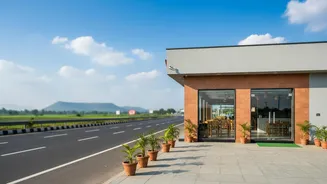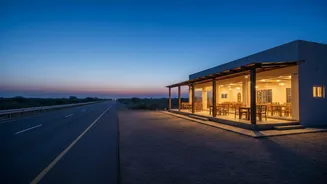





Choose Your Pit Stop Wisely
Before you even think about the food, assess the stop itself. The most reliable indicator of a good roadside eatery is its popularity. Look for places that are busy, especially with truck drivers and families. A high volume of customers usually means
the food is not only tasty but also turned over quickly, reducing the risk of stale or spoiled ingredients. A deserted dhaba might seem peaceful, but it could also mean the food has been sitting for a long time. Also, take a quick glance at the general state of the establishment. Clean tables, a tidy-looking kitchen area, and staff who appear to maintain basic hygiene are all positive signs. If the place looks neglected or dirty, it is best to drive on to the next option. Trust your instincts; if something feels off, it probably is.
Gauge Fresh Food Turnover
The term 'food turnover' simply refers to how quickly a restaurant sells its food and prepares fresh batches. At a roadside stop, high turnover is your best friend for food safety. The easiest way to ensure you are getting fresh food is to order items that are cooked on the spot. Watch the cooking process if you can. A busy tandoor churning out hot rotis or naans, or a wok sizzling with a fresh stir-fry are excellent signs. Items that are deep-fried, like samosas or pakoras, are generally a safer bet as the hot oil kills most bacteria. Be cautious of pre-made curries or rice dishes sitting in large containers at room temperature, as this is the ideal environment for bacteria to grow. When in doubt, stick to simple, popular dishes that are constantly being prepared. Ordering a freshly made dal tadka with hot rotis is often a much safer choice than a complex dish that may have been prepared hours ago.
Simple Rules for Safer Eating
Beyond assessing turnover, a few fundamental rules can significantly lower your risk of getting sick. Always opt for bottled water that is properly sealed. Avoid ice in your drinks, as you cannot be sure of the water source used to make it. Be wary of raw chutneys and salads that have been sitting out in the open. Instead, if you want something cooling, choose packaged curd or yoghurt, which is usually stored safely in a refrigerator. Another good practice is to avoid pre-cut fruits. Instead, buy whole fruits like bananas or oranges that you can peel yourself. Finally, always wash your hands thoroughly before eating. If soap and water are not available, use a hand sanitiser. These small habits are your first line of defence against foodborne illnesses on the road.
The Art of Rejoining the Highway
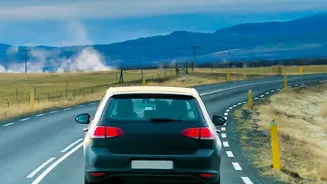
After a satisfying meal, getting back on the highway requires your full attention. Indian highways have their own rhythm, and merging safely is a critical skill. The first rule is to never just pull out into traffic. Start by slowly moving onto the shoulder or the service lane, using it as an acceleration ramp. Turn on your indicator well in advance to signal your intention to merge. Check your mirrors—both the rearview and the side mirror—multiple times. Critically, you must also look over your right shoulder to check your blind spot; a motorcycle or a car can easily hide there. Wait for a large, safe gap in the traffic. Do not force your way into a small space. It is your responsibility to yield to vehicles already on the highway. Accelerate to match the speed of the traffic as closely as possible before you merge into the leftmost lane. A slow merge is a dangerous merge, as it forces fast-moving vehicles behind you to brake suddenly.