


Know Your Enemy: Common Herb Pests
Before you can fight back, you need to know what you’re up against. The most common unwelcome guests on your indoor herbs are small, sap-sucking insects. Aphids are tiny, soft-bodied bugs (often green, black, or yellow) that cluster on new growth. Spider
mites are minuscule arachnids, difficult to see, but they leave behind fine webbing and cause tiny white or yellow spots on leaves. Whiteflies are small, moth-like insects that fly up in a cloud when disturbed. You might also find mealybugs, which look like tiny bits of white cotton. All these pests feed by sucking the life out of your plants, leading to yellowing, curled leaves, and stunted growth.
Prevention Is the Best Medicine
Healthy plants are much better at resisting pests. Your first line of defence is creating an environment where your herbs can thrive. Ensure your pots have good drainage, as waterlogged soil can lead to a host of problems. Provide adequate sunlight for each herb's specific needs and ensure good air circulation around the plants to deter pests like spider mites, which thrive in dry, stagnant conditions. Before bringing a new plant home, inspect it thoroughly for any signs of pests to avoid introducing an infestation to your existing herb garden. Regularly checking the undersides of leaves will help you catch any problems early.
The Simple Power of Water
For pests like aphids and spider mites, one of the easiest and most immediate actions you can take requires nothing more than water. A strong but gentle spray of water can physically dislodge many pests from the leaves and stems. You can do this in your kitchen sink. Be sure to spray the undersides of the leaves, as this is where pests love to hide. This method is free, completely non-toxic, and can be surprisingly effective for minor infestations if done consistently.
Make a Potent Neem Oil Spray
Neem oil is a cornerstone of organic pest control and is highly effective against a wide range of common herb pests. It works not just as a repellent but also disrupts the life cycle of insects, preventing them from feeding and maturing. To make a simple spray, mix about one teaspoon of cold-pressed neem oil with one litre of warm water. Add half a teaspoon of a mild, pure liquid soap (like castile soap) to the water first, as this acts as an emulsifier, helping the oil and water to mix properly. Pour the solution into a spray bottle and shake it well. Spray all parts of the plant, including the stems and the undersides of leaves, preferably in the early morning or evening. Always do a test spray on one leaf first.
A Gentle Insecticidal Soap Solution
Another powerful tool in your natural arsenal is insecticidal soap. This works by dissolving the protective outer layer of soft-bodied insects, causing them to dehydrate. You can easily make your own. Mix one tablespoon of a pure liquid soap, such as castile soap, with one quart (about a litre) of water. Avoid using household dish detergents, as they often contain degreasers and other chemicals that can harm your plants. Like with neem oil, pour it into a spray bottle and apply thoroughly to all affected areas. This solution must make direct contact with the pests to be effective. You may need to reapply every 5-7 days until the infestation is gone.
Special Care for Your Herbs
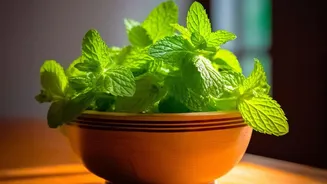
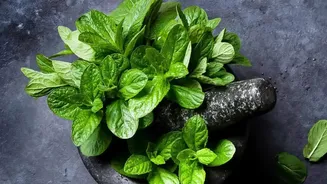
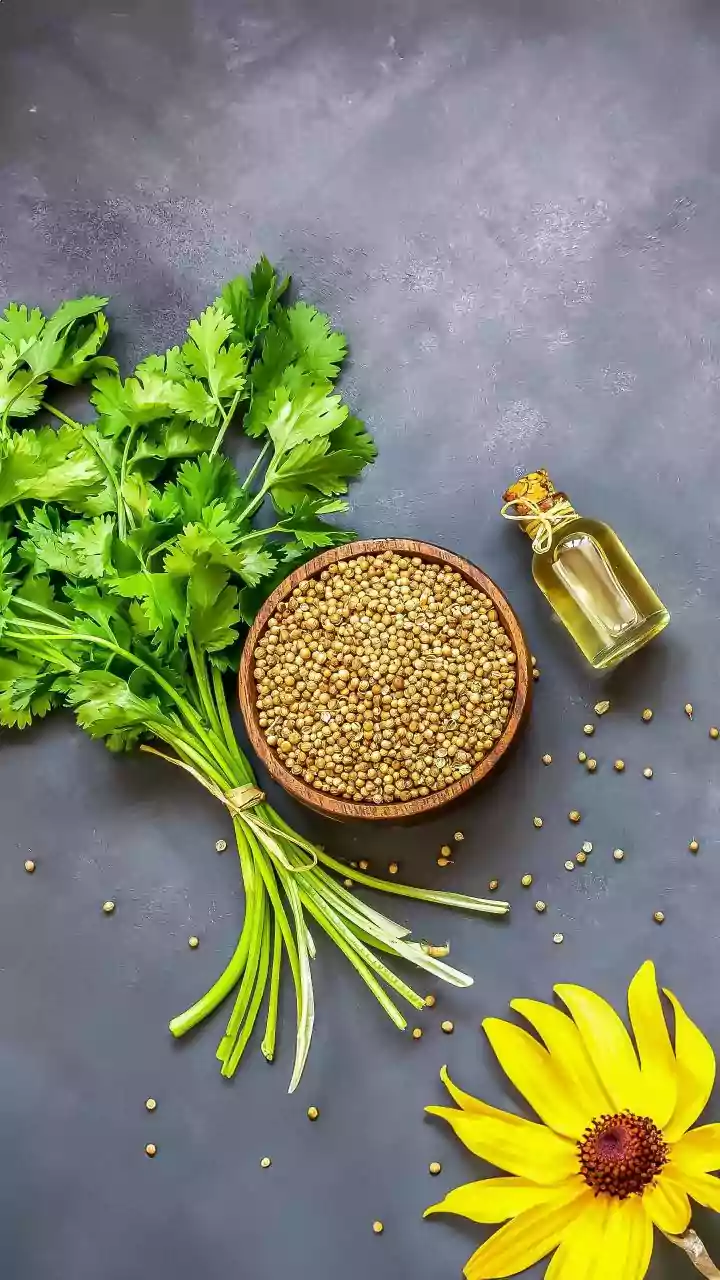
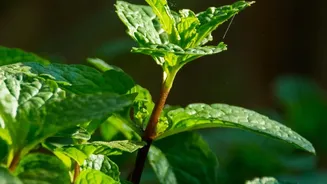
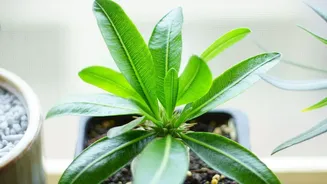
While these general remedies work well, your herbs have individual needs. Tulsi (Holy Basil) can be particularly prone to aphids and whiteflies. Good air circulation is key. Mint is hardy, but can suffer from spider mites, especially indoors. Its strong scent is a natural pest repellent, but pests can still take hold. Coriander is a magnet for aphids and can also attract whiteflies. Regular inspection is crucial for this delicate herb. If you notice any issues, act quickly with a water spray or a soap solution before the population explodes.