







A New Mindset: Prevention Over Cure
For millennials and Gen Z in India, health is no longer just the absence of disease; it's an active, daily pursuit of physical and mental well-being. This represents a significant cultural shift from previous generations, where healthcare was often sought
only when a problem arose. Today's youth are driven by a desire for a balanced lifestyle, fueled by increased health consciousness, rising disposable incomes, and a wealth of accessible information. This proactive stance is shaping a booming wellness market in India, which encompasses everything from fitness to mental well-being. This generation is moving from a treatment-first approach to one centered on prevention and lifestyle correction. This mindset is critical, especially as reports indicate that health risks like prediabetes and obesity are appearing much earlier in life.
The Fitness Revolution: More Than Just a Gym
Exercise has transformed from a niche activity into a cornerstone of identity for many young Indians. While gym memberships remain popular, the concept of fitness has expanded dramatically. It now includes everything from marathon running and yoga to home workouts guided by YouTube tutorials and fitness apps. Digital tools have become central to this movement. Wearable devices that track steps, sleep, and heart rate are now commonplace, providing data that empowers users to monitor their progress and stay motivated. Social media also plays a huge role, with influencers and online communities offering workout ideas, motivation, and a platform to share milestones, turning personal fitness into a social and interactive experience. For Gen Z in particular, being active is part of a daily routine and a key aspect of their lifestyle.
You Are What You Eat: The Nutrition Focus
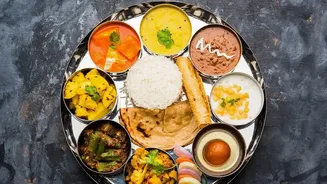
Alongside the fitness boom is a growing obsession with nutrition. Young consumers are increasingly conscious of what they eat, moving towards clean eating, plant-based diets, and whole foods. There's a greater emphasis on understanding food labels, tracking macronutrients like protein, and reducing the intake of processed items. This nutritional awareness extends to a focus on gut health, with trends like consuming fermented foods and fiber-rich diets gaining traction. Traditional Indian knowledge is also being blended with modern science; ancient Ayurvedic principles are finding a new audience among those seeking natural and holistic wellness solutions. This informed approach to diet is seen as a fundamental tool for managing energy levels, preventing lifestyle diseases, and achieving overall health.
The Rise of Proactive Screening
Perhaps the most significant change is the growing acceptance of preventive health screenings among the youth. Traditionally seen as something for older adults, regular check-ups are now being embraced by people in their twenties and thirties. This trend is driven by an awareness that many non-communicable diseases (NCDs), such as diabetes and heart conditions, can develop silently for years and are appearing in Indians at a much younger age than in Western populations. Diagnostic data shows a surge in metabolic and glucose screenings among adults under 40. By getting tested early, young people are establishing a health baseline and catching potential issues like prediabetes or high cholesterol when they are still reversible through lifestyle changes. This proactive screening culture is a crucial step in shifting from merely identifying disease to actively intercepting it.
Empowered by Informed Choices
Underpinning all these trends is the unprecedented access to information. Through smartphones and digital platforms, young Indians are empowered to become active participants in their own health journey. They research workout routines, compare nutritional information, and learn about medical conditions online. While this digital reliance comes with the risk of encountering misinformation, it has largely fostered a generation that is more curious and knowledgeable about health than any before it. This empowerment extends to mental well-being, with Gen Z being notably more open to discussing mental health and using apps for meditation and mindfulness to manage stress. By combining insights from fitness trackers, nutritional apps, and online resources, they are making more informed, holistic choices that connect their physical activity, diet, and mental state.