
The Constant Battle in the Fields
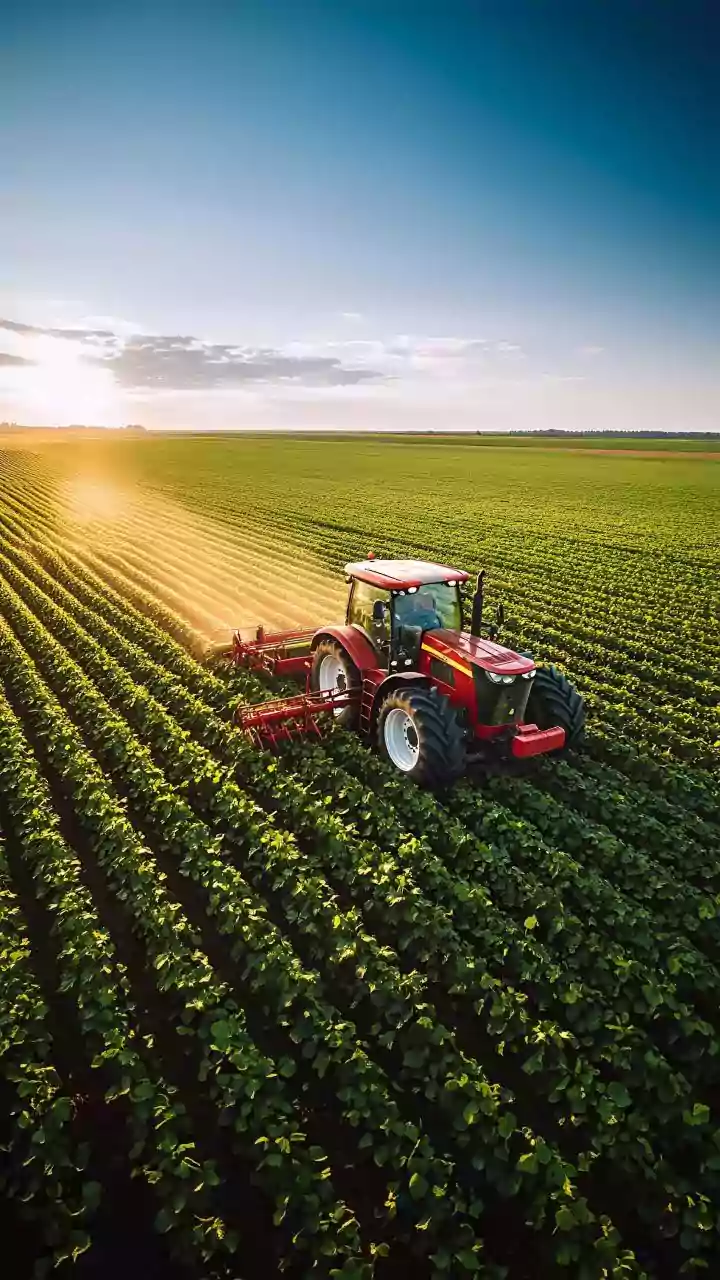
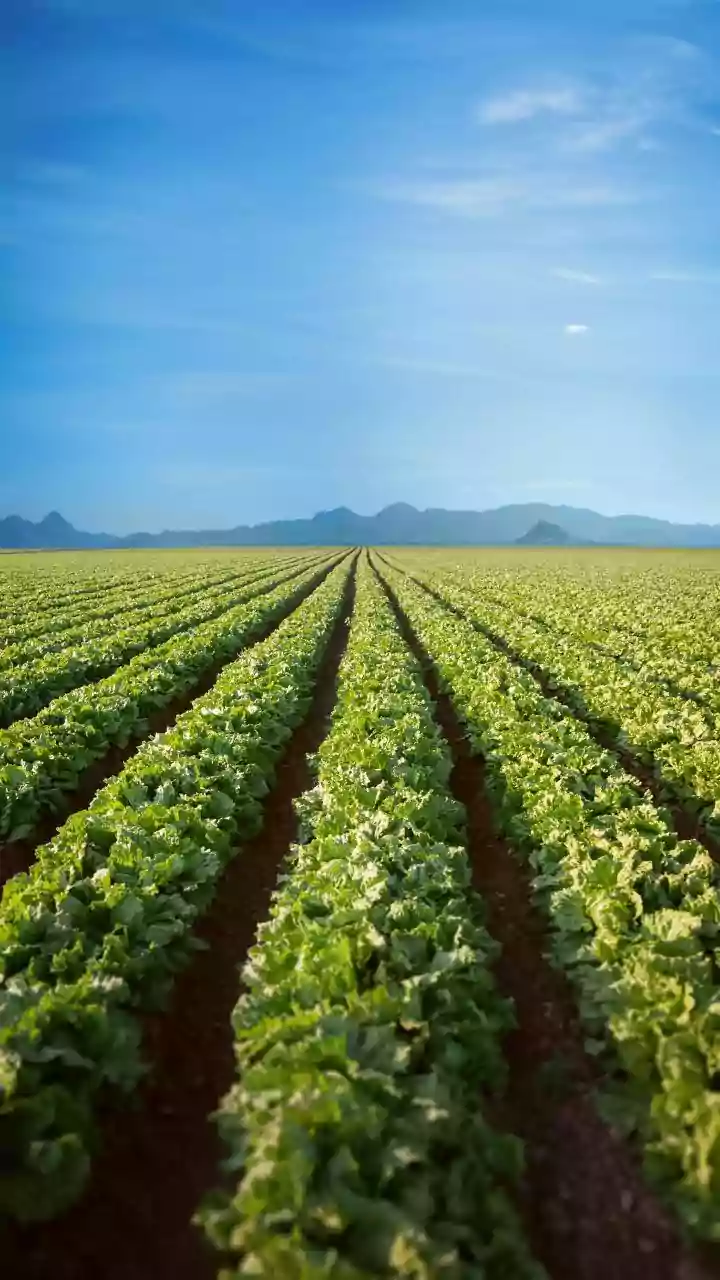
Punjab, known as India's breadbasket, has long been at the forefront of agricultural production. However, this success comes with immense pressure. Farmers face a relentless battle against pests, fungal infections, and nutrient deficiencies that can wipe
out a season's hard work in days. Traditionally, identifying these threats relied on visual inspection and experience, a method that can be slow, subjective, and prone to error. A misidentified disease might lead to the wrong treatment, wasting precious money on ineffective pesticides and potentially harming the crop further. In a region grappling with rising input costs and environmental stress from soil degradation and water depletion, every rupee and every drop of water counts. The need for a faster, more accurate, and affordable solution has never been more critical for ensuring the livelihood of millions.
An AI-Powered Doctor in Your Pocket
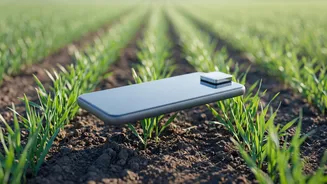
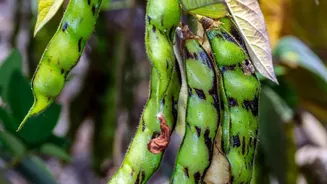
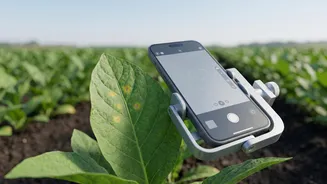
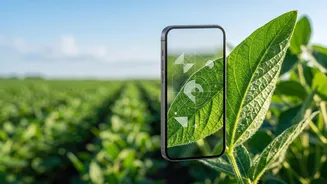
The solution has arrived in a remarkably accessible form: mobile applications powered by artificial intelligence. These smart crop detection tools turn a standard smartphone into a sophisticated diagnostic device. The process is brilliantly simple. A farmer noticing a suspicious spot on a leaf can simply open an app and take a picture. Using a technology called a Convolutional Neural Network (CNN), the app’s AI analyzes the image in seconds. It cross-references the visual data—like the colour, shape, and pattern of a lesion—against a massive database containing thousands of images of known plant diseases. The app then provides an instant diagnosis, identifying the specific pest or disease, and in many cases, even estimating its severity. This technology effectively puts an agronomist's expertise directly into the farmer's hands, available 24/7.
Why 'Low-Cost' Changes Everything
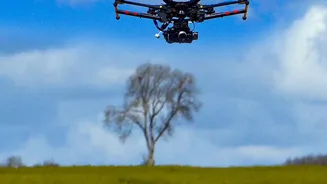
While high-tech agriculture often conjures images of expensive drones and complex machinery, the true revolution of these AI tools lies in their affordability. The most expensive piece of hardware required is the smartphone itself, a device that a growing number of farmers in rural India already own and use daily. This dramatically lowers the barrier to entry. Instead of investing in specialized equipment, farmers can download an app. This concept, sometimes called “small AI,” focuses on creating accessible, lightweight tools that solve specific, real-world problems. By enabling precise and early intervention, these apps save farmers significant money that would have been spent on broad-spectrum pesticides or other incorrect treatments. It’s a shift from reactive, blanket spraying to targeted, data-driven action, which not only improves profitability but also reduces the chemical load on the environment.
Punjab's Embrace of Smart Agriculture
This technological shift is particularly resonant in Punjab. The state's government and agricultural institutions are actively promoting the use of digital tools to modernize the sector and make it more sustainable. Initiatives from research bodies and agricultural universities are driving the development and adoption of these technologies. For instance, projects like those from IIT Ropar are working on deploying AI-powered weather stations to give farmers hyperlocal forecasts. This, combined with disease detection apps, creates a powerful digital ecosystem. By arming farmers with precise data on both weather patterns and crop health, Punjab is fostering a more resilient and efficient agricultural landscape, better equipped to handle the challenges of climate change and economic pressures. It’s a crucial step in securing the state's agricultural future.
Challenges on the Digital Frontier
Despite the immense potential, the path to widespread adoption is not without obstacles. Digital literacy remains a significant hurdle; while many farmers own smartphones, not all are comfortable navigating new applications. Furthermore, inconsistent internet connectivity in remote rural areas can limit the functionality of cloud-based apps. Developers are actively working to address this with apps designed to work offline or in low-bandwidth conditions. Building trust is also essential. Farmers need to be confident that the advice they receive from an app is accurate and reliable. This requires extensive fieldwork, continuous updates to the AI models with local crop data, and community-led training programs. Overcoming these challenges will be key to unlocking the full potential of smart crop detection across India.