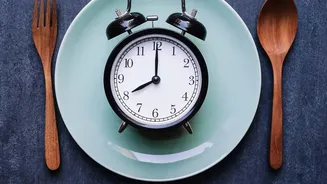







Understanding Your Body's Clock
Deep inside every one of us is a master biological clock, known as the circadian rhythm. This internal 24-hour cycle, primarily influenced by light and darkness, governs everything from our sleep-wake patterns to hormone release and metabolism. But it's
not just our brain that has a clock; our digestive system does, too. The gut has its own local rhythm, which means its ability to process food, absorb nutrients, and manage waste isn't the same at 8 AM as it is at 10 PM. This internal timing is a fundamental part of our biology, designed to sync our bodies with the day-night cycle of the environment.
Why Daylight Eating Works
During daylight hours, our digestive system is primed for action. Production of digestive enzymes, stomach acid, and gut motility are at their peak, making our body highly efficient at breaking down food and absorbing nutrients. As evening approaches and our body prepares for rest, the entire system naturally slows down. Eating a large meal late at night is like asking a factory to run a full shift after most of the workers have gone home. The process becomes slow and inefficient, often leading to common digestive complaints. Research shows that eating late can increase bloating, gas, and acid reflux because the food sits in the stomach longer and may ferment.
The Digestive Health Benefits
Adopting a daylight eating pattern offers numerous benefits for your gut. By consuming most of your calories when your digestion is most active, you allow the system to work optimally. This can lead to improved nutrient absorption, ensuring you get the most out of your food. It also helps regulate blood sugar levels and can improve insulin sensitivity. Furthermore, aligning meals with your circadian clock supports a healthier gut microbiome. The trillions of bacteria in your gut also follow a daily rhythm, and feeding them at the right times helps maintain a balanced and diverse community, which is crucial for everything from immune function to mood.
How to Align Your Meals Safely
Transitioning to circadian-aligned eating doesn't require a radical overhaul. The goal is to consume your meals within a consistent window during daylight hours, ideally finishing your last meal at least 2-3 hours before you go to sleep. A simple approach is to follow a 'front-loading' pattern: make breakfast and lunch your most substantial meals of the day, and have a smaller, lighter dinner. For example, aim to have your meals within a 10- to 12-hour window, such as from 8 AM to 6 PM or 9 AM to 7 PM. This gives your digestive system a long overnight break to rest and perform its 'housekeeping' functions, like cleaning out the gut, which is essential for good health.
Listen to Your Body
The key to making this work is to be gradual and flexible. If you're used to eating dinner late, start by bringing it forward by 30 minutes and see how you feel. Avoid jumping into a very restrictive window immediately. Hydration is important, so drink plenty of water throughout the day. Pay attention to your body’s hunger and fullness cues. While daylight eating is safe and beneficial for most people, those with specific health conditions like diabetes, or those who are pregnant or have a history of eating disorders, should consult a healthcare professional before making significant changes. The aim is to work with your body’s natural rhythm, not against it, to find a sustainable pattern that leaves you feeling energized and comfortable.