

The Foundation of Flavour: No Heat
For those who love the taste of peppers without any of the spicy sensation, the journey begins with zero-heat varieties. The most common is the bell pepper, known as Shimla Mirch in India. Available in a rainbow of colours, these large, blocky peppers are
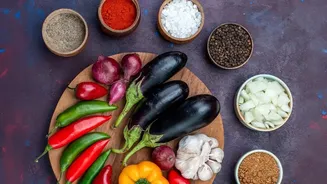
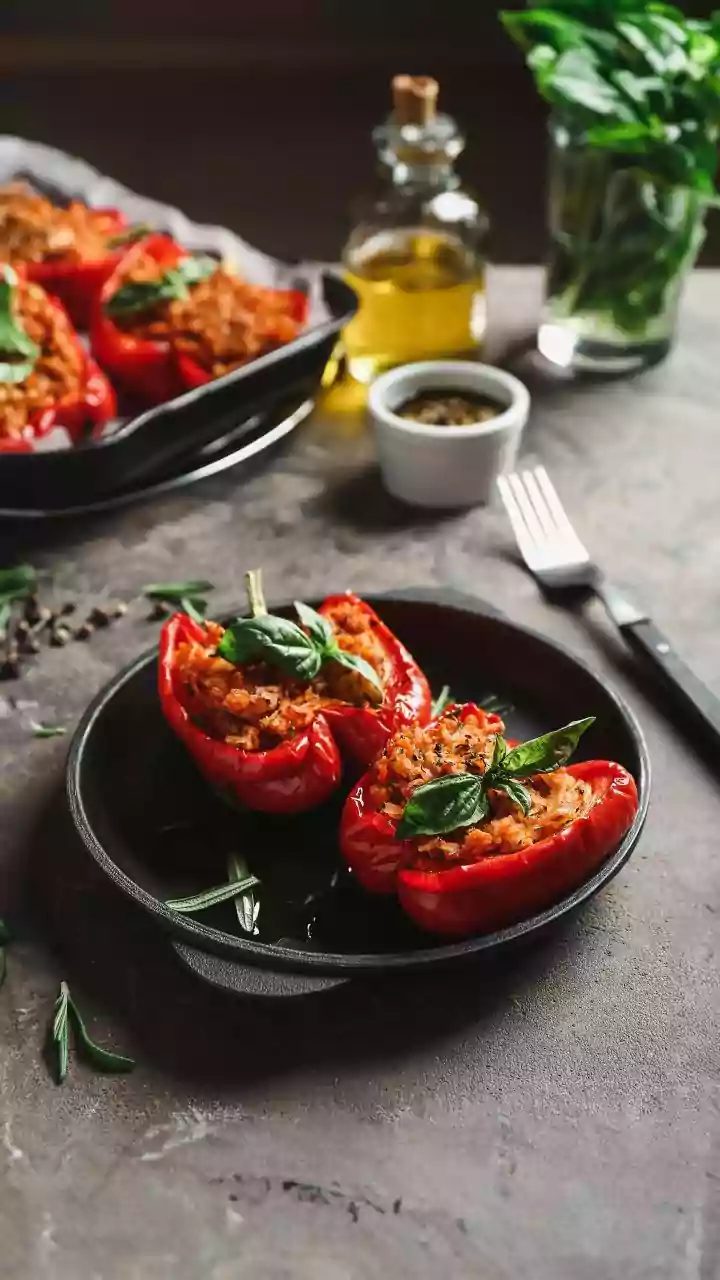
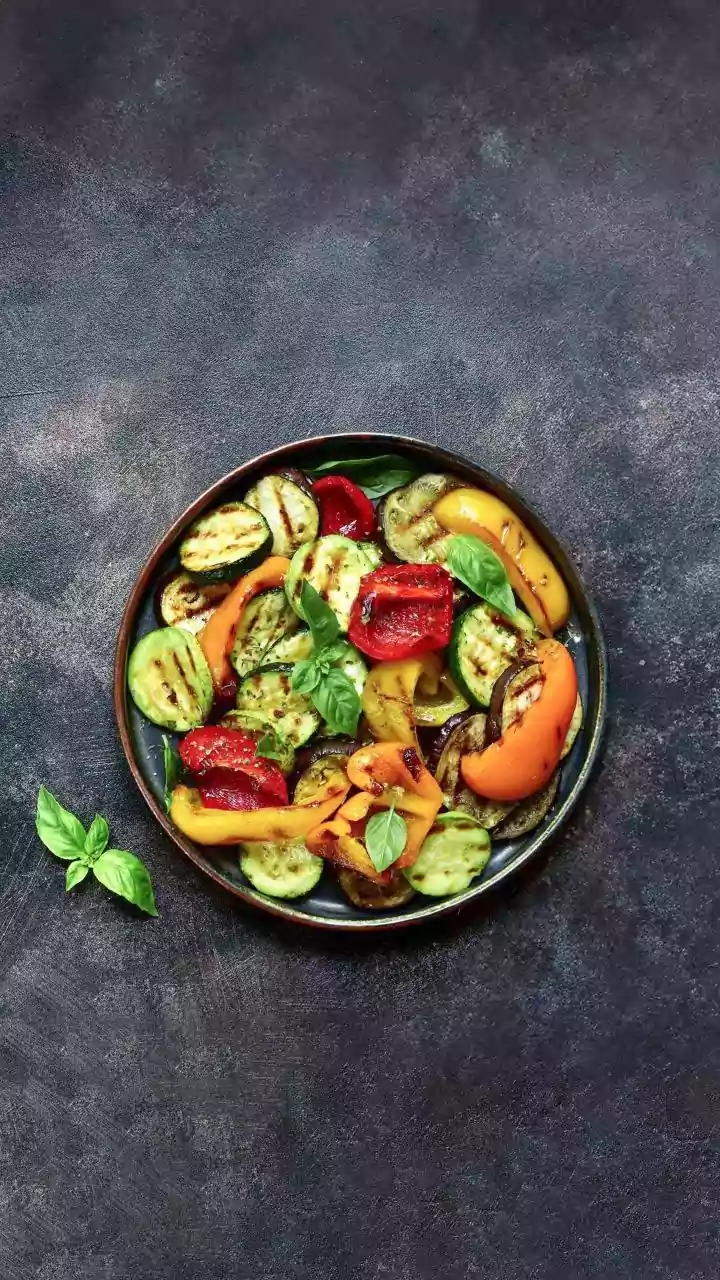
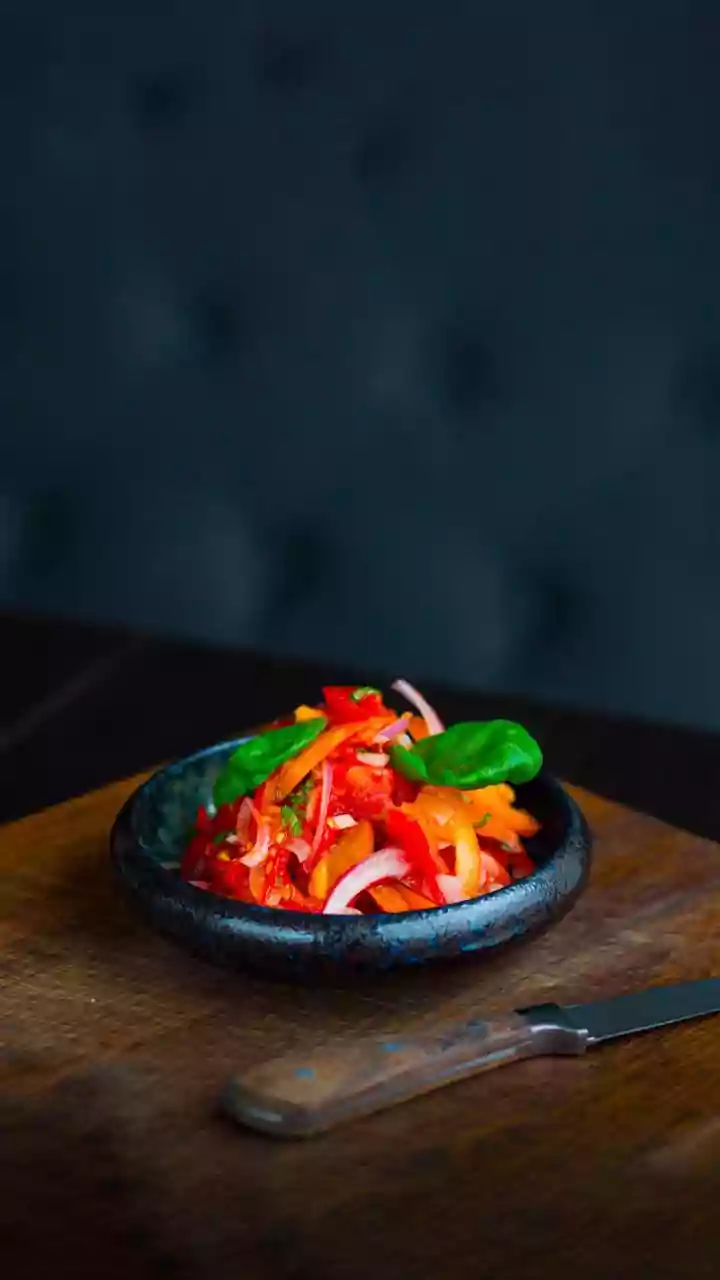
crunchy, juicy, and have no heat at all. Green ones are slightly more bitter, while red, orange, and yellow varieties are sweeter and fruitier. They are incredibly versatile, perfect for stuffing, stir-frying into a paneer kadai, or simply eating raw in salads. Another excellent choice is the Piquillo, a small, sweet Spanish pepper with a subtle tanginess often used in tapas. For something more unique, Gypsy peppers offer a bright, citrusy flavour and are a productive alternative if you have trouble growing bells.
A Touch of Warmth: Mild Spice
Moving just a little way up the Scoville Heat Unit (SHU) scale, you'll find peppers that offer more flavour than fire. Banana peppers are a great example, with a mild, tangy profile and only up to 500 SHU. They are fantastic for pickling or adding a gentle kick to sandwiches. The Poblano pepper, a favourite in Mexican cuisine, has a rich, earthy, and slightly smoky flavour with a heat level of 1,000 to 2,000 SHU. When dried, it's known as an Ancho chile. Poblanos are ideal for roasting and stuffing to make dishes like chile rellenos. In Indian cooking, the Bhavnagri chili offers a comparable mild heat and is often used in stuffed preparations. Another popular choice is the Kashmiri chilli, which is prized more for its vibrant red colour and deep flavour rather than intense heat, making it a staple in many North Indian curries.
Building the Heat: Medium Spice
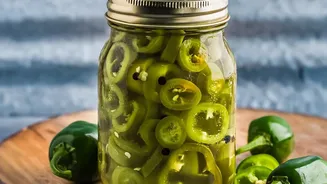
This is where peppers start to make their presence known. The Jalapeño is a global icon in this category, with a bright, grassy flavour and a heat range of 2,500 to 8,000 SHU. It's perfect for salsas, pickling, or dicing into cornbread. However, for many Indian dishes, its thick skin can be a drawback. A better substitute for achieving that fresh, sharp heat in Indian vegetarian cooking is the Serrano pepper. Serranos are crisper, brighter, and significantly hotter, typically ranging from 10,000 to 25,000 SHU. They are excellent in fresh salsas and for tempering dals. The Jwala pepper, often referred to as the standard Indian green chili, also fits in this range, providing the signature heat for countless everyday dishes across Gujarat and beyond.
For the Spice Lovers: Serious Heat
Now we're entering territory for those who truly enjoy a fiery kick. The Cayenne pepper is a workhorse in this category, with a sharp, pungent heat between 30,000 and 50,000 SHU. It’s most commonly found in its dried, powdered form. Thai chillies, which are widely used across Asia, offer a similar intensity, ranging from 50,000 to 100,000 SHU. Their bright, sharp heat is perfect for stir-fries and curries. For a more flavour-forward experience, the Habanero pepper is a fantastic choice. Clocking in between 100,000 and 350,000 SHU, its intense heat is matched by a distinctively fruity, floral, and citrusy flavour profile, reminiscent of mango or apricot. This makes it a popular choice for hot sauces and marinades that need both heat and character.
The Peak of Pungency: Superhots
This category is for the culinary daredevils. The Ghost Pepper, or Bhut Jolokia, is native to Northeast India and was once the world's hottest pepper. With a Scoville rating that can exceed 1 million SHU, its heat is a slow-building inferno. Unlike the fruity Habanero, the Ghost Pepper has a more earthy and smoky flavour, though its taste is often overshadowed by the sheer intensity of the burn. It's used sparingly to make intensely fiery chutneys, pickles, and hot sauces. Even hotter is the Carolina Reaper, which holds the record with a peak of over 2.2 million SHU. It has a surprisingly fruity taste before the overwhelming fire kicks in. These peppers should be handled with extreme care and used in minuscule amounts.