






Start with Smart Ventilation
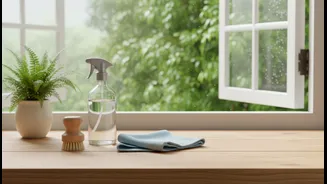
The single most effective strategy against monsoon dampness is promoting airflow. While it seems counterintuitive to open windows during the rains, timing is everything. Seize drier moments, often in the morning or after a shower passes, to let fresh
air circulate and push out stagnant, humid air. For rooms like bathrooms and kitchens, which are epicentres of moisture, consistently using exhaust fans is non-negotiable. Creating cross-ventilation by opening windows on opposite sides of your home for even a short period can drastically reduce humidity, which is the primary cause of musty smells and mould growth.
Battle Mould and Mildew Naturally
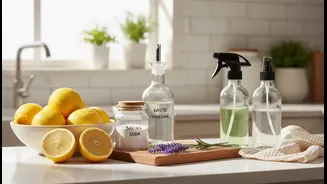
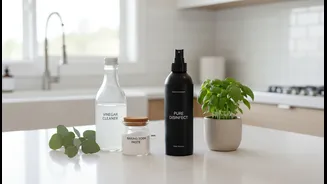
Mould and mildew are the villains of the rainy season, thriving in damp corners. White vinegar is your go-to weapon. Its acidic nature is highly effective at killing many common household mould species. Keep a spray bottle with a 50/50 solution of white vinegar and water for daily wipe-downs of kitchen counters, tiles, and window sills. For existing mould patches, spray undiluted white vinegar, let it sit for an hour, and then scrub the area. For an extra antifungal boost, add a few drops of tea tree oil to your vinegar solution. However, avoid using vinegar on porous stone surfaces like marble or granite, as its acidity can cause damage.
Keep Floors Clean and Dry
Floors can become a breeding ground for germs during the monsoon. Adding a natural disinfectant to your mopping water is key. A few drops of neem oil not only have antibacterial and antifungal properties but also help deter pests like ants that often seek shelter indoors during the rains. Another effective method is to add a splash of white vinegar to your mopping bucket. To help floors dry faster in the humid weather, some people find that adding a handful of rock salt to the mopping water helps absorb excess moisture. Ensure you wipe any spills or wet footprints immediately to prevent slips and moisture build-up.
Deodorise and Protect Wardrobes
The dreaded musty smell in clothes and cupboards is a classic monsoon problem. The cause is moisture trapped in enclosed spaces. To combat this, place natural moisture and odour absorbers inside your wardrobes. Small bowls of baking soda, sachets of activated charcoal, or even pieces of chalk can be very effective. Traditional Indian methods like placing dried neem leaves or small bundles of camphor and cloves in muslin bags also work wonders to keep clothes fresh and repel insects. Try to create space between garments to allow for better air circulation and avoid storing anything that is even slightly damp.
Freshen the Air Without Chemicals
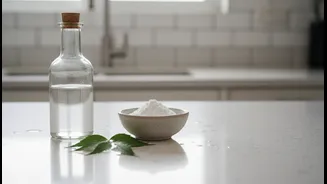
Instead of masking odours with synthetic air fresheners, which can add to indoor air pollution, absorb them naturally. Baking soda is an excellent odour neutraliser; simply place an open box or a small bowl of it in any room to absorb smells. You can also simmer a pot of water on the stove with cinnamon sticks, cloves, and citrus peels for a natural, welcoming aroma. Essential oil diffusers are another fantastic option. Scents like eucalyptus, peppermint, or lemongrass can make the air feel lighter and cleaner. Certain indoor plants, like peace lilies and snake plants, are also known to help purify the air and can even absorb some excess moisture.
A Note on DIY Mixtures
While kitchen staples are powerful, using them correctly matters. A common mistake is to mix baking soda and vinegar together, hoping for a super-cleaner. The fizzing reaction actually neutralises both ingredients, leaving you with little more than salt water. It is far more effective to use them separately. For instance, you can scrub a surface with a paste of baking soda and water first, and then spray it with vinegar to rinse and disinfect. This two-step approach unleashes the full cleaning potential of both ingredients.