






The Monsoon Travel Dilemma
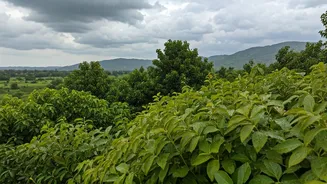
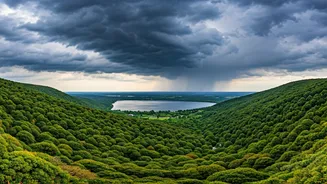
Every year, the monsoon season brings a mixed bag for travellers. While the rains transform landscapes into lush, green paradises, they also bring the risk of landslides and flash floods to popular Himalayan destinations. Recent weather reports for June
2026 show heavy rainfall warnings for states like Himachal Pradesh, Uttarakhand, and Sikkim, with authorities cautioning about potential landslides and flooding in several districts. This makes planning a trip to the mountains a gamble, where roads can be cut off and holidays disrupted. For those craving a break without the anxiety, looking south of the Himalayas provides an excellent solution.
Udaipur: The City of Lakes, Reimagined by Rain
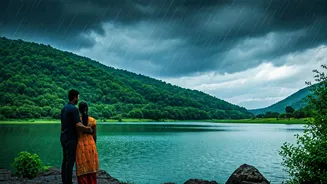
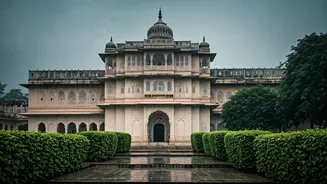
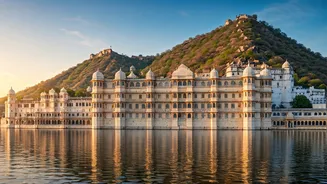
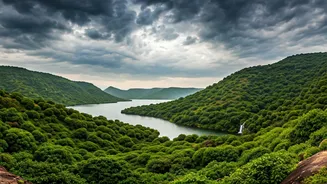
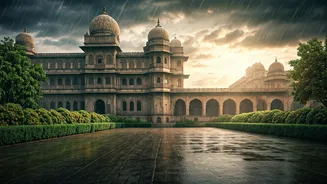
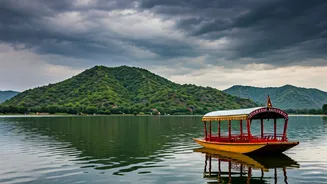
Udaipur, often called the 'Venice of the East', takes on a special charm during the monsoon. The city’s famous lakes, Pichola and Fateh Sagar, swell with fresh rainwater, reflecting the majestic palaces and cloudy skies. Unlike the severe downpours in the Himalayas, Udaipur experiences more moderate rainfall, making it pleasant for sightseeing. A boat ride on Lake Pichola during a light drizzle is an unforgettable experience, offering romantic views of the City Palace and Jag Mandir. The aptly named Sajjangarh Monsoon Palace, perched high on a hill, provides breathtaking panoramic views of the rain-washed city and the rejuvenated Aravalli hills. The city remains well-connected and accessible, offering a safe yet incredibly scenic monsoon destination.
Mount Abu: Rajasthan’s Green Oasis
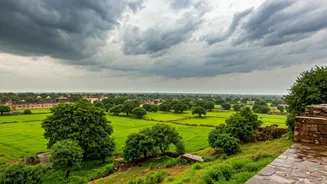
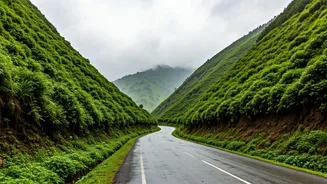
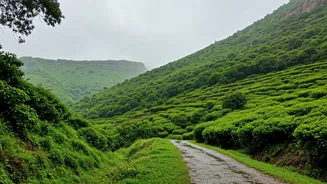
As Rajasthan's only hill station, Mount Abu is a unique monsoon destination. While the rest of the state deals with summer heat, Mount Abu enjoys cool, pleasant temperatures ranging from 20°C to 28°C. The monsoon transforms this rocky retreat into an emerald paradise, draped in mist and clouds. The main attraction, Nakki Lake, becomes even more serene, and the surrounding Aravalli hills burst with greenery. While the winding road up to Mount Abu requires careful driving in the rain, the town itself is generally safe and well-prepared for tourists. It offers a classic hill station experience—cool weather, nature walks, and stunning viewpoints—without the high risks associated with Himalayan regions during the same season.
How to Choose: City Romance or Hilltop Serenity?
Deciding between Udaipur and Mount Abu depends on the kind of getaway you're looking for. Choose Udaipur if your ideal trip involves royal heritage, lakeside luxury, and cultural immersion. The city offers a vibrant experience with its grand palaces, bustling markets, and diverse culinary scene. It’s perfect for those who want a romantic and visually dramatic setting. On the other hand, choose Mount Abu if you crave a peaceful retreat into nature. It’s ideal for travellers seeking a cooler climate, scenic mountain landscapes, trekking opportunities, and a more relaxed, traditional hill station atmosphere. Mount Abu provides a slower pace and a refreshing break from the desert environment.
Smart Travel Tips for a Monsoon Trip
A monsoon trip to either destination is a delight with a bit of planning. For both Udaipur and Mount Abu, it’s wise to pack light rainwear and waterproof footwear. While major roads are well-maintained, always check local conditions before heading to outlying areas or waterfalls, which come alive during this season. In Mount Abu, it's best to avoid driving on the ghat roads at night. In Udaipur, booking a stay with a lake view can elevate your experience, letting you enjoy the rainy spectacle from the comfort of your room. The monsoon is considered an off-season in many places, which often means fewer crowds and more attractive hotel rates, making it a budget-friendly time to explore.