

More Than a Garment, A Wearable Legacy
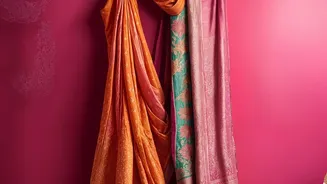
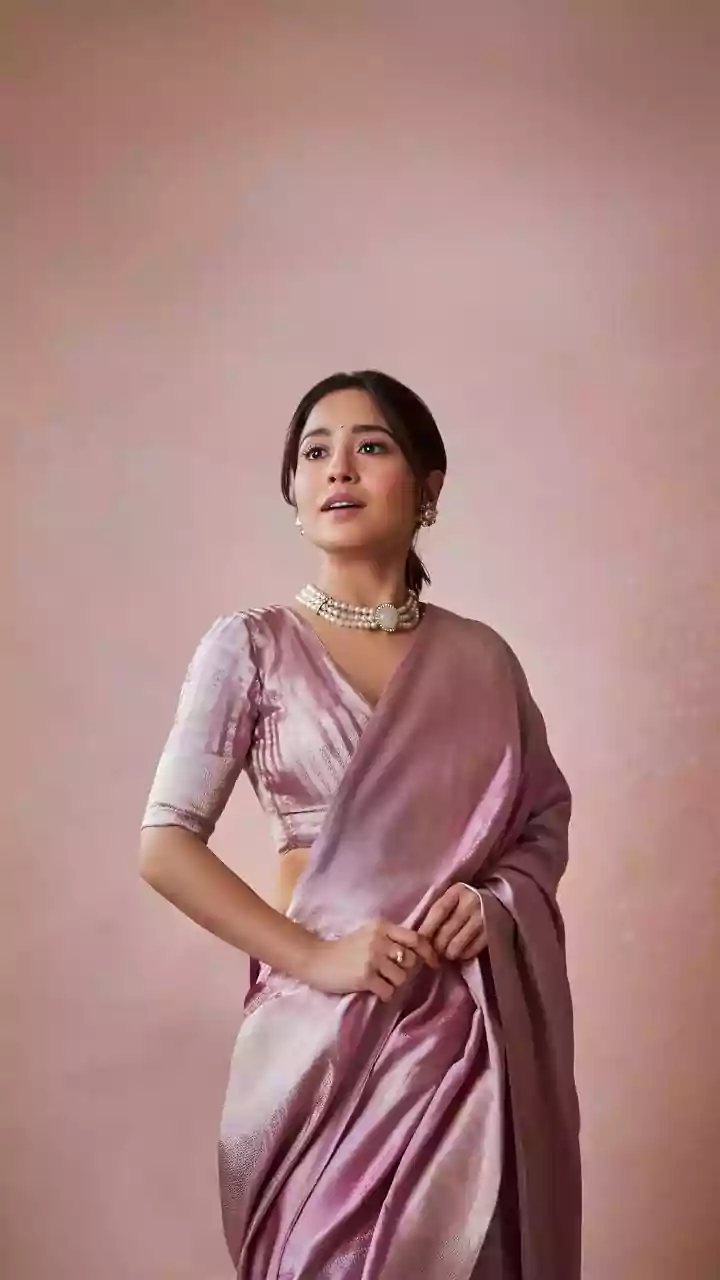
A silk saree passed down from a mother or grandmother is more than just six yards of fabric; it's a living piece of family history. These sarees, whether a rich Banarasi or a vibrant Kanjeevaram, are often linked to milestone events like weddings and festivals,
holding priceless sentimental value. The trend of upcycling honours this emotional connection. Instead of letting these beautiful textiles languish in a trunk, women are transforming them into contemporary outfits. This process gives the saree a new life while keeping its story and heritage alive, allowing a new generation to literally wear a piece of their family legacy.
The Power of Personal Style
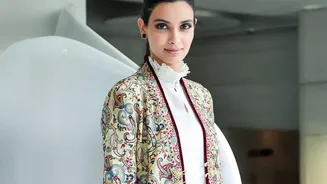
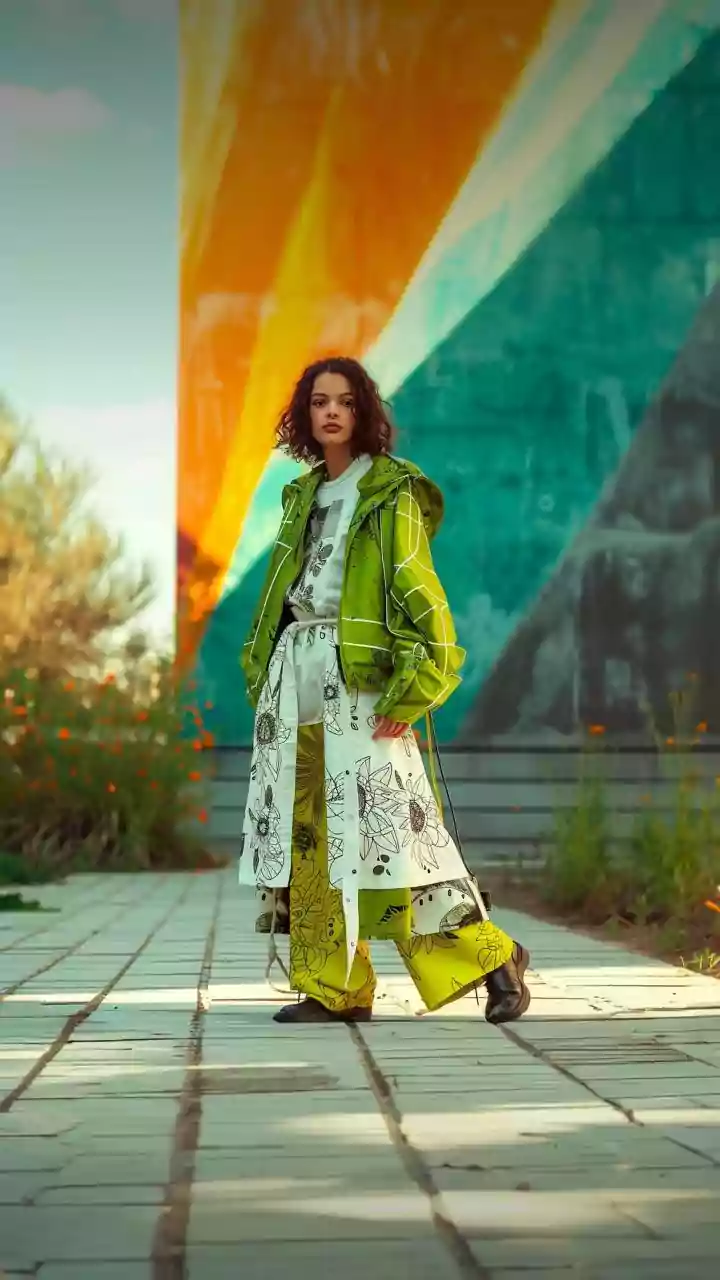
In an era of fast fashion where social media can make trends feel homogenous, upcycling offers a powerful statement of individuality. An outfit crafted from an heirloom saree is, by its very nature, one-of-a-kind. The specific weave, the intricate border, and the unique history of the fabric cannot be replicated. This allows for a deeply personal expression of style that stands out during the festive season. Designers and boutiques are increasingly offering services to refashion these sarees into everything from chic jackets and elegant dresses to contemporary kurta sets and even trendy corsets, making bespoke fashion accessible.
A Conscious Stand Against Waste
The environmental argument for upcycling is compelling. The textile industry is a significant contributor to pollution and landfill waste in India, which generates approximately 7.8 million tonnes of textile waste annually. Choosing to upcycle an existing garment directly combats this issue by reducing the demand for new production and diverting old clothes from landfills. This practice saves enormous amounts of resources, including the water and energy required to produce new fabrics. By giving a high-quality silk saree a second life, consumers are making a conscious choice for sustainability, moving away from a disposable mindset towards a more circular approach to fashion.
Marrying Tradition with Modern Versatility
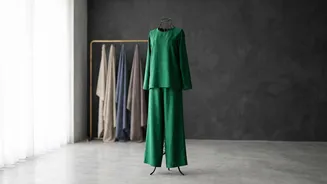
While a traditional saree is timeless, its use can be limited in a modern wardrobe. Upcycling unlocks new possibilities, transforming the fabric into versatile pieces that can be worn more frequently and in various settings. A heavy silk saree might be reimagined as a stylish jacket that can be paired with both ethnic and western wear, or a lehenga skirt for a wedding, or a formal dress for a special occasion. This fusion of traditional craftsmanship with contemporary silhouettes makes heritage relevant for everyday life, ensuring these beautiful textiles are not just preserved, but actively enjoyed.