






Understanding the Basics: What is a Karat?
Before diving into 22K versus 24K, it’s essential to understand what 'karat' (K) means. A karat is a unit used to measure the purity of gold, not its weight (that's a 'carat' for gemstones). The system works on a scale of 24 parts. So, if a piece of gold is 24K, it means all
24 parts of the metal are pure gold, with no other metals mixed in. This purity is often expressed as a percentage or a fineness number. For example, 24K gold is considered 99.9% pure.
24K Gold: The Purest Standard
Twenty-four-karat gold is the purest form you can buy, boasting a purity of 99.9%. This gives it a distinct, bright yellow colour that is unmatched. However, this purity comes with a trade-off: softness. 24K gold is extremely malleable, meaning it can bend, scratch, and warp easily with daily handling. Because of this delicate nature, it is not practical for making everyday jewellery. Instead, its value lies in its purity, making it the preferred choice for investment purposes in the form of gold bars, coins, and bullion.
22K Gold: The Jeweller's Choice
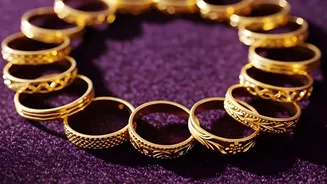
When it comes to crafting beautiful and lasting ornaments, 22K gold is the undisputed favourite in India. As the name suggests, it consists of 22 parts pure gold and 2 parts other metals, making it 91.67% pure. These other metals, typically silver, copper, or zinc, are added to create an alloy. This alloy makes the gold significantly harder and more durable than its 24K counterpart, allowing it to withstand the rigours of daily wear. This strength is crucial for holding intricate designs and securely setting precious stones, which would be risky with softer 24K gold.
The Mark of Trust: Mandatory BIS Hallmarking
For decades, buying gold involved a large degree of trust in the jeweller. To protect consumers from under-carating and ensure purity standards, the Government of India made hallmarking of gold jewellery mandatory in June 2021. This system is managed by the Bureau of Indian Standards (BIS), the national standards body of India. Any gold jewellery sold in the hundreds of notified districts across the country must now bear a BIS hallmark. This mark serves as a third-party assurance, confirming that the gold's purity has been tested and verified in a licensed Assaying and Hallmarking Centre (AHC).
How to Read a Modern Hallmark
The older hallmarking system had several marks, but the new system, effective since 2021, is simpler and more secure. A modern BIS hallmark on gold jewellery consists of three mandatory components. First is the iconic triangular BIS logo. Second is a mark indicating the purity and fineness; for example, '22K916' denotes 22-karat gold with 91.6% purity. The third and most crucial element is the six-digit alphanumeric Hallmark Unique Identification (HUID) number. This code is unique to each piece of jewellery and allows for complete traceability from the assaying centre to the retailer.
Verifying Your Gold in Seconds
The HUID makes verification simple and accessible for every consumer. The most reliable way to check your gold's authenticity is by using the official 'BIS CARE' mobile app, available for both Android and iOS devices. After downloading the app, you can use the 'Verify HUID' feature. Simply enter the six-digit alphanumeric code engraved on your jewellery. The app should instantly display all the details associated with that specific piece, including the jeweller who had it marked, the assaying centre's details, the date of hallmarking, and its confirmed purity. This digital check provides an undeniable confirmation that your valuable purchase is exactly what it claims to be.