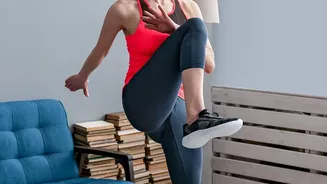

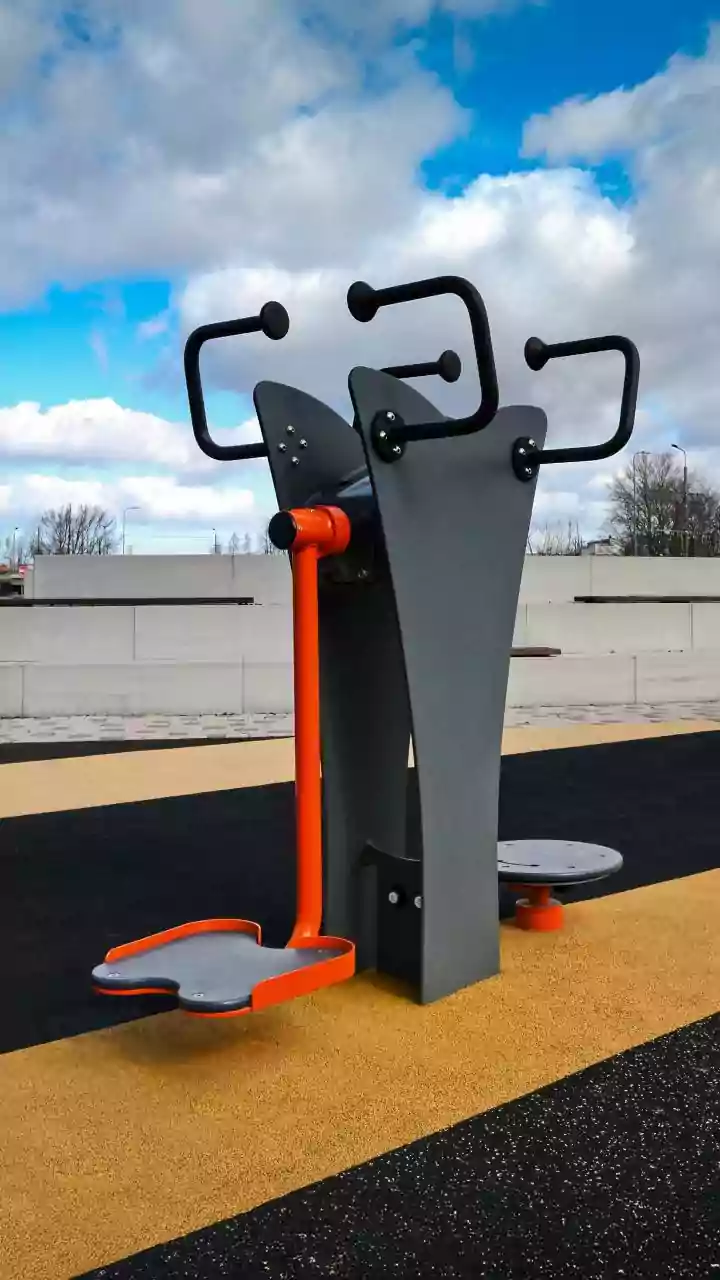
Looking to build powerful, sculpted thighs? This workout is designed for efficiency, alternating the foundational squat with other key exercises to challenge your muscles from every angle for comprehensive strength.
Why This Alternating Routine Works
Doing the same exercises repeatedly
can lead to plateaus where your muscles adapt and you burn fewer calories. By alternating different types of movements, you 'shock' the muscles, forcing them to work harder and stimulating more growth. This approach, often called cross-training, not only prevents boredom but also helps prevent overuse injuries by strengthening stabilizer muscles that might otherwise be neglected. This routine pairs different squat variations with exercises that target the thighs in complementary ways, ensuring balanced development of your quads, hamstrings, glutes, and adductors (inner thighs).
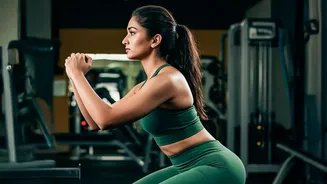
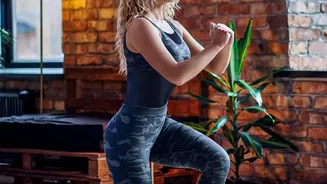
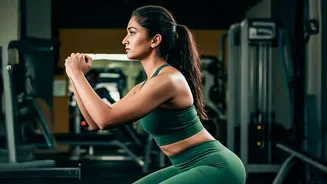
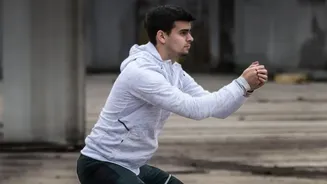
1. The Foundation: Bodyweight Squat
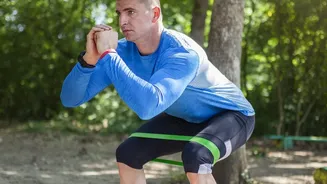
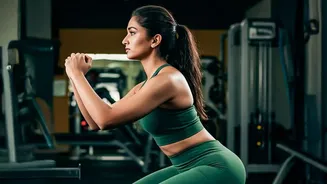
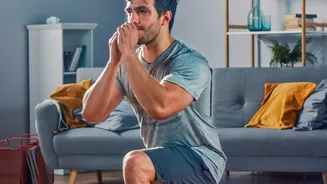
The classic squat is the cornerstone of any leg workout. It’s a compound movement that engages your entire lower body. To perform it, stand with your feet shoulder-width apart. Push your hips back and bend your knees as if sitting in a chair, keeping your chest up and back straight. Lower until your thighs are parallel to the floor, then drive through your heels to return to the start. This move builds a strong base for all other variations.
2. The Stabilizer: Forward Lunges
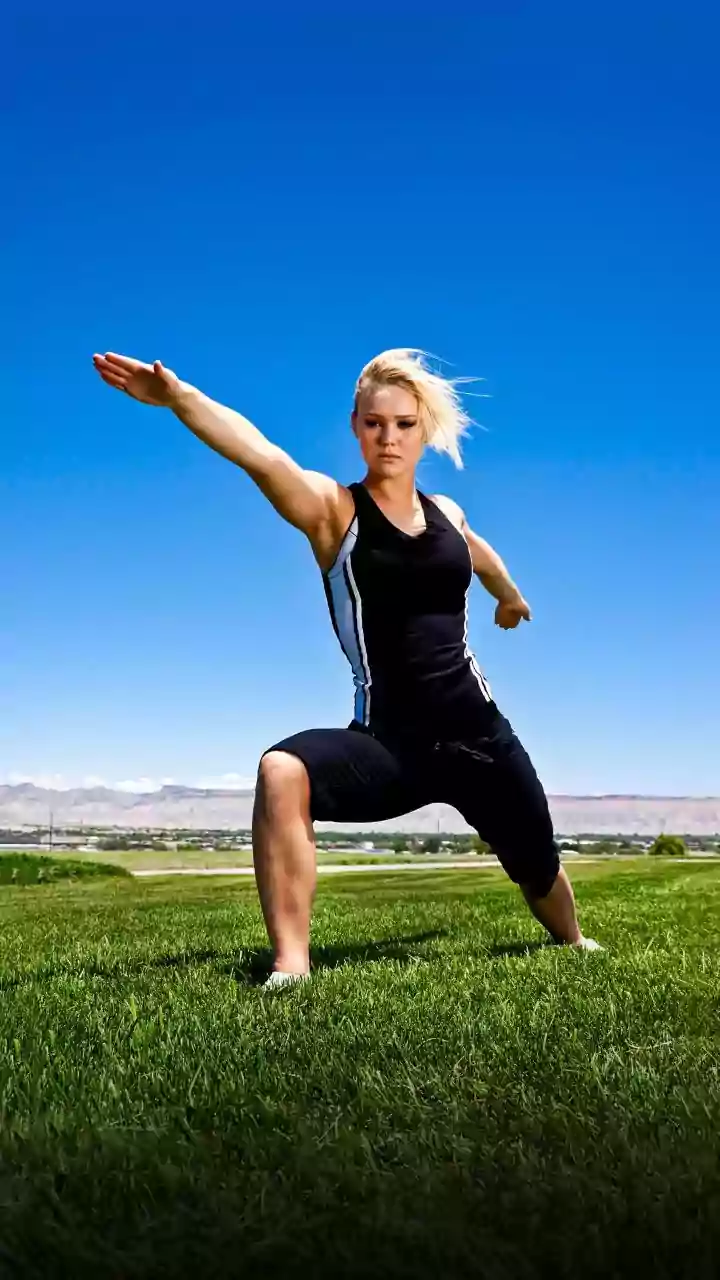
Lunges challenge each leg individually, which is excellent for balance and stability. From a standing position, take a large step forward with one leg. Lower your hips until both knees are bent at a 90-degree angle, ensuring your front knee stays behind your toes and your back knee hovers just above the ground. Push off your front foot to return to the start. Alternating legs helps correct strength imbalances and improves coordination.
3. The Power-Builder: Goblet Squat
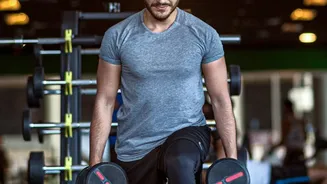
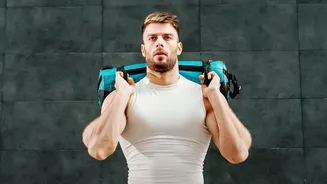
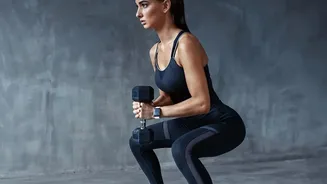
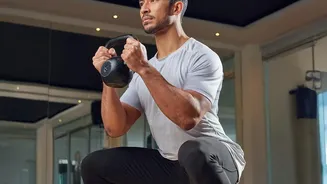
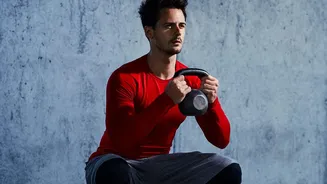
Adding weight is the next step to building strength. The goblet squat is a perfect introduction to loaded squats. Hold a single dumbbell or kettlebell vertically against your chest with both hands. With your feet slightly wider than shoulder-width, perform a squat, keeping your torso upright and core tight. The weight’s position forces your core to work harder to maintain posture, strengthening your abs and back along with your legs.
4. The Posterior Pro: Glute Bridge
While squats are quad-dominant, it's crucial to work the back of your legs. The glute bridge isolates the glutes and hamstrings. Lie on your back with your knees bent, feet flat on the floor, and arms at your sides. Squeeze your glutes and lift your hips off the floor until your body forms a straight line from your shoulders to your knees. Hold for a moment, then lower back down. This move strengthens your posterior chain, which helps support posture.
5. The Unilateral Test: Bulgarian Split Squat
This advanced exercise builds serious single-leg strength and stability. Stand about two feet in front of a knee-high bench or step. Place the top of one foot on the bench behind you. Keeping your chest up, lower your hips until your front thigh is parallel to the floor. Drive through your front heel to return to the start. This move intensely targets the quad and glute of the front leg while improving your balance.
6. The Lateral Mover: Side Lunges
Most leg exercises move forward and back. Side lunges (or lateral lunges) work your body in a different plane of motion, targeting the inner and outer thighs. Stand with feet hip-width apart. Take a wide step to one side, bending that knee and pushing your hips back while keeping the other leg straight. Push off the bent leg to return to the center and repeat on the other side. This enhances hip mobility and strengthens muscles often missed by other exercises.
7. The Explosive Finisher: Jump Squat
Perform a standard bodyweight squat, but instead of rising slowly, explode upwards into a jump. Land softly, immediately lowering into your next squat to absorb the impact. This exercise develops explosive strength, which is key for athletic performance, and adds a cardiovascular challenge to your strength routine.
8. The Hamstring Helper: Bodyweight Leg Curls
To finish with a move that balances all the squatting, target your hamstrings directly. You can do this without a machine. Lie on your stomach with your legs straight. Squeeze your glutes and hamstrings to bend one knee, drawing your heel toward your glutes in a controlled motion. Lower it slowly and repeat with the other leg. You can also perform these from a standing position. This isolation exercise ensures your hamstrings get the attention they need.