




The Modern Wellness Wave
The boom in wellness teas isn’t happening in a vacuum. It’s a direct product of the larger global and Indian shift towards self-care and holistic health. In a post-pandemic world, consumers are more proactive about their well-being than ever before. The focus
has moved from reactive medicine to preventative health, creating a fertile ground for products that promise gentle, natural solutions. Teas, with their ancient association with health and tranquillity, are perfectly positioned to meet this demand. They offer a simple, accessible ritual that feels both healthy and comforting—a small act of self-care in a hectic day.
From Flavour to Function
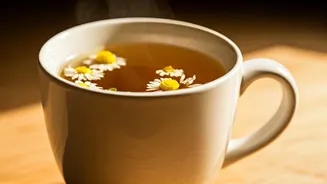
For generations, tea in India was primarily about two things: the morning kickstart (chai) or a soothing evening ritual (perhaps a green or black tea). Today, the narrative has changed from flavour to function. The new generation of wellness teas is sold not on the merits of its taste alone, but on its purported benefits. Can’t sleep? There's a chamomile and lavender blend for that. Feeling stressed? Try a tea with ashwagandha. Need an immunity boost? Look for ingredients like giloy and moringa. This 'functional' positioning transforms a simple beverage into a targeted health solution, creating new reasons for consumers to buy and integrate multiple types of tea into their daily routines.
The Power of Ancient Wisdom
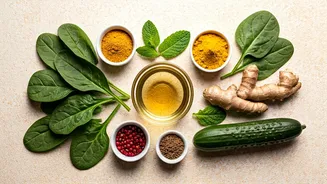
A key driver of this trend in India is the masterful blending of modern marketing with traditional knowledge. Brands are tapping into the rich heritage of Ayurveda and other indigenous wellness practices. Ingredients like ashwagandha, brahmi, tulsi, and turmeric are no longer just confined to a grandmother’s home remedies; they are now hero ingredients in beautifully packaged, premium-priced tea boxes. This strategy resonates deeply with Indian consumers, who have a cultural familiarity and trust in these ingredients. It feels authentic and rooted, providing a powerful counterpoint to a market saturated with synthetic supplements.
An Instagrammable Ritual
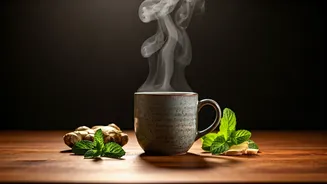
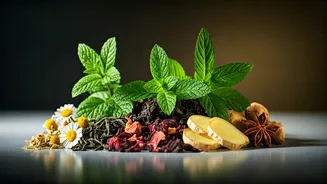
Let’s be honest: aesthetics matter. Wellness tea brands have perfected the art of creating products that are not just good to drink but also beautiful to look at. The packaging is often minimalist, elegant, and photogenic. The teas themselves, with vibrant flowers, herbs, and spices, are visually appealing. This makes the entire experience—from brewing to sipping from a special mug—highly 'Instagrammable.' Social media influencers and wellness bloggers have amplified this, showcasing their tea rituals as an essential part of an aspirational, healthy lifestyle. This visual marketing creates a powerful loop: you see it, you want the feeling it represents, and you buy it.
The Business of Brewing
The market has responded with force. What was once a niche category dominated by a few specialised brands is now a mainstream phenomenon. Major FMCG players and legacy tea companies have launched their own wellness lines, while a flurry of direct-to-consumer (D2C) startups have emerged, using digital marketing to reach specific audiences. According to market analyses, the global functional tea market is growing rapidly, with India being a key area for expansion. This commercial interest has fuelled innovation in blends, wider distribution, and aggressive marketing campaigns, ensuring that no matter where you shop, a 'detox', 'sleep', or 'energy' tea is just an arm's reach away.