


Understanding Plant-Based Iron
The first step is knowing the type of iron you're working with. Dietary iron comes in two forms: heme and non-heme. Heme iron, found in animal products, is more easily absorbed by the body. Plant-based foods like legumes, vegetables, and grains contain
only non-heme iron, which is a bit trickier for our bodies to absorb. This doesn't mean vegetarians are destined for deficiency; it just means a little extra planning is required to make sure your body can make the most of the iron available in your food. Iron deficiency can lead to fatigue, shortness of breath, and weakness, so paying attention to intake is key for maintaining energy and overall health.
Stock Your Pantry with Iron-Rich Foods
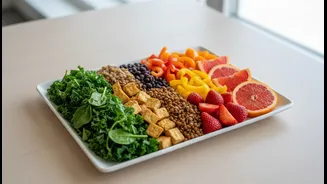
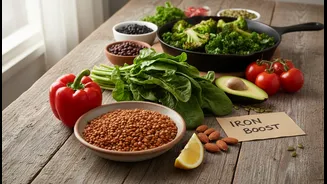
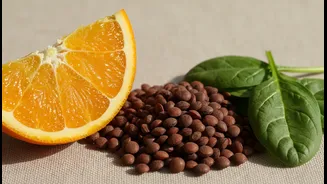
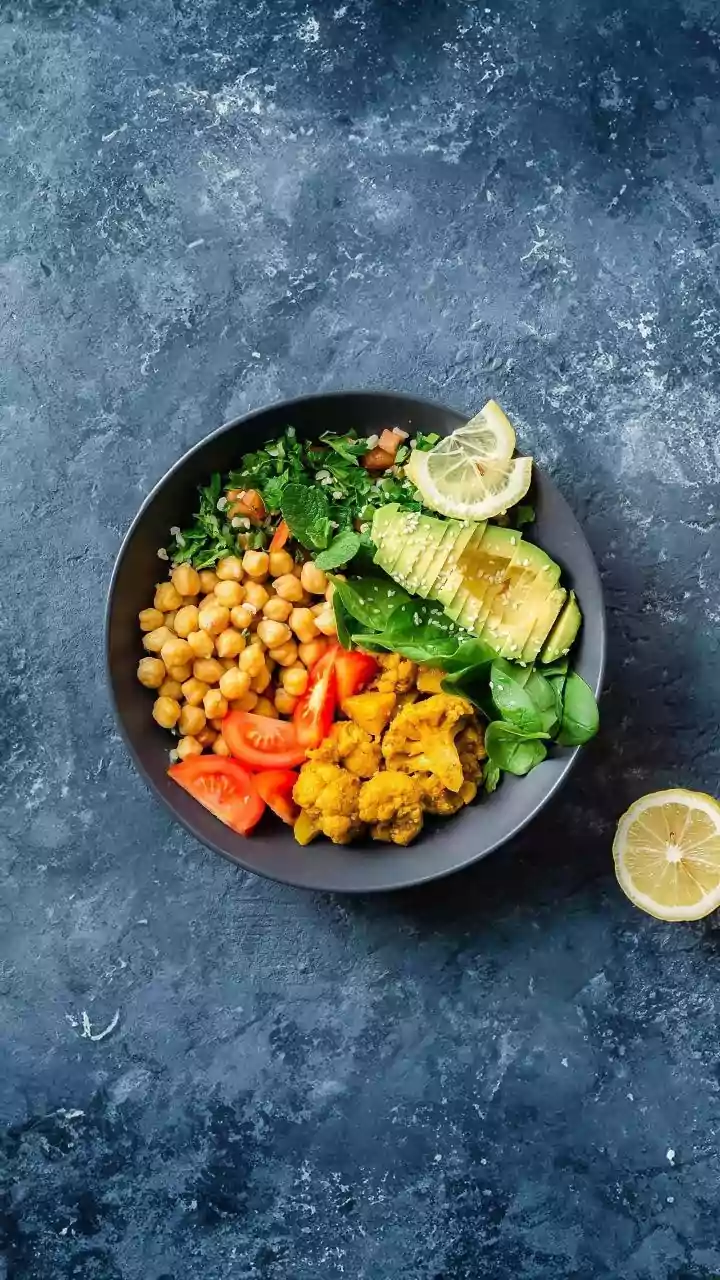
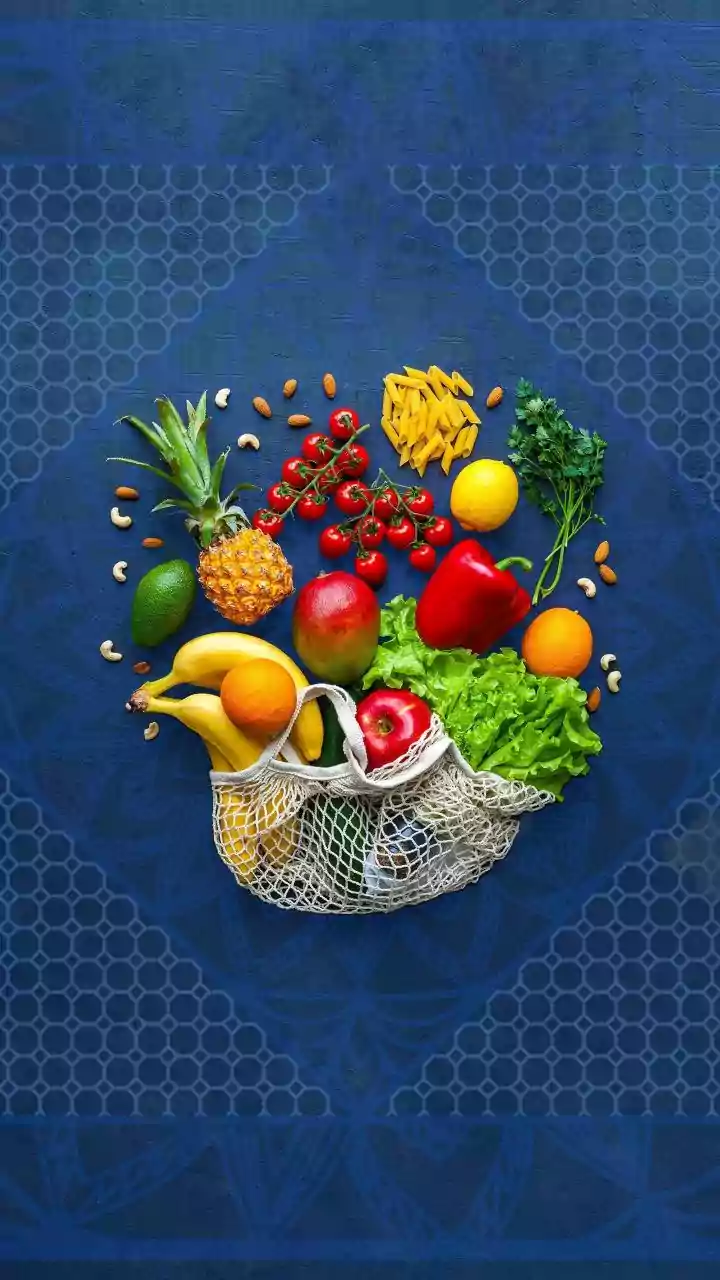
Building an iron-rich diet starts with the right ingredients. Fortunately, the plant kingdom is full of excellent sources. Legumes are a powerhouse, with lentils, chickpeas, and various beans leading the charge. Tofu and tempeh, derived from soybeans, are also fantastic choices. Don't overlook whole grains like quinoa and iron-fortified cereals and breads. Nuts and seeds, particularly cashews and sunflower seeds, provide a good boost. And of course, dark leafy greens like spinach and kale are classic sources, alongside vegetables like broccoli and even potatoes with their skin on. Including a wide variety of these foods daily provides a solid foundation for meeting your iron needs.
The Vitamin C Power-Up
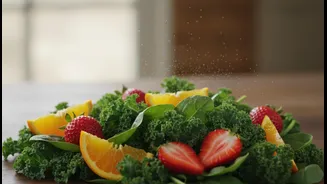
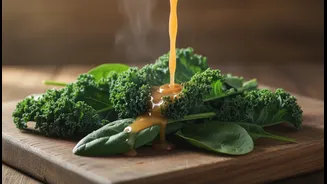
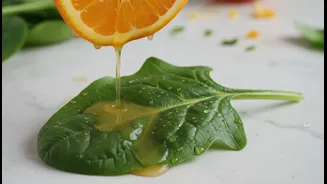
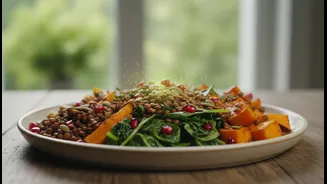
Here's where the science really comes into play. One of the most effective ways to boost your body's absorption of non-heme iron is by pairing it with vitamin C. Studies show that vitamin C can increase iron absorption by two to three times. This is because it helps convert the iron into a form that's easier for your body to take up. The practical application is simple and delicious. Squeeze lemon juice over a lentil salad, add bell peppers to a tofu stir-fry, or enjoy a side of broccoli with your bean chili. Even having a small glass of orange juice with your iron-fortified breakfast cereal can make a significant difference. Think of vitamin C as iron's best friend.
Know the Iron Inhibitors
Just as some foods enhance iron absorption, others can hinder it. The main culprits are compounds called phytates and polyphenols. Phytates are found in whole grains, beans, and nuts — many of the same foods that are rich in iron. Polyphenols, including tannins, are present in coffee and tea. You don't need to avoid these foods entirely. Instead, focus on timing. Try to avoid drinking coffee or tea right with your main meals; waiting at least an hour before or after can help maximize iron uptake. Soaking, sprouting, or fermenting legumes and grains can also help reduce their phytate content, further improving iron availability. Calcium is another mineral that can compete with iron for absorption, so it's wise to avoid taking calcium supplements or consuming large amounts of dairy at the same time as your most iron-rich meals.
Smart Cooking for More Iron
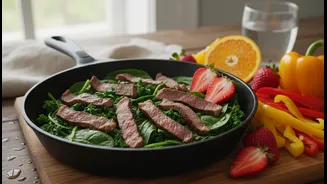
Your cookware can even play a role. Cooking in a cast-iron skillet can increase the iron content of your food, especially with acidic ingredients like tomato sauce. While the amount of iron transferred can vary, it’s a simple, passive way to add a little extra to your meals. Combining this with the other strategies creates a powerful approach. For example, making a lentil and tomato stew in a cast-iron pot not only adds iron from the pot but also uses the vitamin C from the tomatoes to enhance the absorption of the iron from the lentils. This multilayered approach turns your kitchen into a lab for better nutrition, ensuring your vegetarian diet is not just healthy, but optimized for your body's needs.