





The Slow Fade of the 'Showcase' Hall
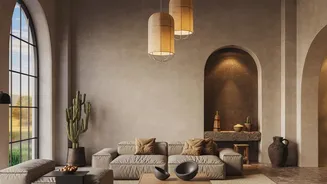
For generations, the drawing-room was designed more for impression than for living. It was a formal chamber with the best sofa, the finest crockery peeking from a cabinet, and a strict 'hands-off' policy for daily family life. This space was often reserved
for guests, a performative area that remained largely unused. However, a combination of factors, including shrinking urban apartment sizes, the rise of nuclear families, and the cultural shifts accelerated by the work-from-home era, are making this model obsolete. Homeowners are now questioning the logic of dedicating a prime section of their house to a purpose that serves them only occasionally.
The Rise of the 'Everything' Room
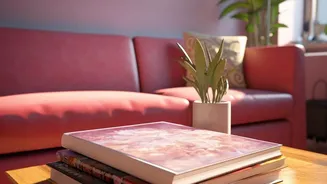
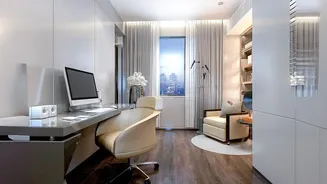
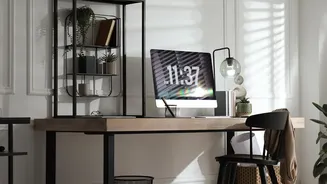
Today, the living room is no longer just one thing; it's everything. It's an office by day, a kids' play area in the afternoon, a family movie theatre by night, and a space for entertaining friends over the weekend. This shift is from a home that is performative to one that is personal and practical. Interior designers note a clear trend towards spaces designed around daily routines and emotional comfort rather than occasional display. This demand for flexibility has turned the modern Indian living room into the ultimate multitasker, a fluid zone that needs to be efficient without feeling cluttered.
Smart Ways to Embrace Multifunctionality
Making one room wear many hats without it descending into chaos is a design challenge, but it's achievable with smart planning. The goal is to create a space that is adaptable, organised, and still feels like a cohesive, welcoming home. It's less about having more things and more about having the right things that work harder for you. Here are some practical ideas to transform your living room into a versatile, lived-in space.
Zone Your Space Thoughtfully
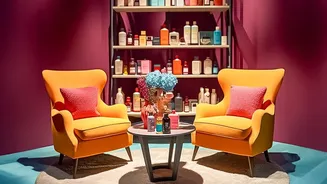
You don't need walls to divide a room. Create distinct 'zones' for different activities using furniture placement and decor. A well-placed rug can anchor a seating area, visually separating it from a workspace. A sleek console table behind a sofa can create a subtle boundary and a drop-zone for keys and mail. Even lighting can be used to define areas; a focused floor lamp can create a cozy reading nook in a corner, signalling a shift in function within the same room.
Choose Furniture That Works Overtime
Multifunctional furniture is the hero of modern Indian homes. Think beyond the traditional and look for pieces that serve dual purposes. A coffee table with a lift-top can transform into a work desk or a dining surface. An ottoman with hidden storage can hide away toys or blankets while providing extra seating. Sofa-cum-beds, nesting tables, and wall-mounted desks are no longer just for tiny studios; they are smart solutions for any home looking to maximize its utility.
Master the Art of Layered Lighting
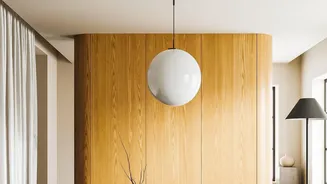
A single, harsh overhead light won't work for a room that does everything. Adopt a layered lighting approach to easily change the room's mood and function. Ambient lighting (like ceiling fixtures) provides overall illumination. Task lighting (like table lamps or under-cabinet lights) is crucial for activities like reading or working. Accent lighting (like wall sconces or picture lights) adds depth and highlights features. Smart lighting systems that allow you to adjust brightness and colour temperature are also becoming popular for their ability to transform a space with a single tap.
Make Storage Your Secret Weapon
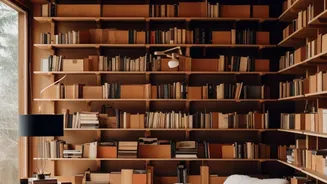
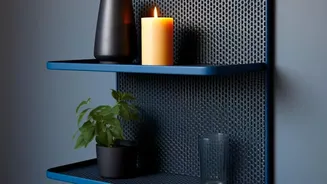
Clutter is the biggest enemy of a functional, multipurpose space. The key is to have a home for everything. Utilise vertical space with tall, wall-mounted shelves or cabinets to keep the floor area clear. This not only provides storage but also draws the eye upward, making the room feel taller. Choose media consoles with doors to hide electronics and wires, and look for furniture with integrated storage solutions. A well-organised room is fundamental to creating a calm and efficient environment where you can seamlessly transition between activities.