







From Necessity to Lifestyle
For generations, walking in India was largely a matter of necessity—the only way for millions to get to work, school, or the market. For the upwardly mobile, ditching walking for a scooter or a car was a key status symbol. But that equation is flipping.
Today, a growing number of urban Indians are choosing to walk not just for transit, but for leisure, health, and community. It’s a deliberate cultural shift. The post-dinner family constitutional, once a fading tradition, is being revived. Morning walking groups, once the domain of retirees, now include young professionals and middle-aged parents. This isn't just about getting from A to B; it's about reclaiming public space and personal time in some of the world's most crowded urban environments.
If You Build It, They Will Walk
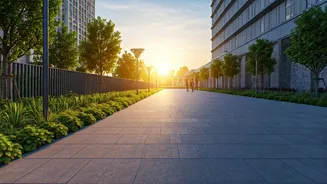
A major catalyst for this trend is a slow but significant change in urban design. For decades, Indian cities prioritized cars, leaving pedestrians to navigate broken, crowded, or non-existent sidewalks. Now, a new wave of urban renewal projects is putting people first. The most iconic example is Mumbai’s Marine Drive, a 2-mile-long seaside promenade affectionately known as the "Queen's Necklace." It has long been a walker's paradise, but its success has inspired other cities. Ahmedabad’s Sabarmati Riverfront transformed a neglected riverbank into a sprawling park with promenades and cycling tracks. In Delhi, the redeveloped Chandni Chowk market is now a largely pedestrian-only zone. Initiatives like “Raahgiri Day” (a version of the global “Open Streets” movement) temporarily close busy roads to traffic, turning them into vibrant public spaces for walking, cycling, and socializing. This new infrastructure makes walking safer, more pleasant, and more aspirational.
A Prescription for Modern Ailments
Like in the U.S., the wellness boom is a powerful driver. As India’s economy has grown, so have lifestyle diseases associated with sedentary office jobs and changing diets. The country faces a significant public health challenge with rising rates of diabetes, hypertension, and heart disease. Doctors are increasingly “prescribing” walking as a preventative, low-cost, and highly effective form of exercise. This medical endorsement has given the walking movement a new legitimacy. It’s seen as a proactive step toward managing health in a society where access to gyms can be expensive or inconvenient. The message is simple and powerful: you don’t need a pricey membership to stay healthy; you just need a good pair of shoes and a safe place to walk.
The Social Network, in Real Life
Perhaps the most compelling aspect of India’s walking culture is its deep social component. This isn't just about individuals listening to podcasts on a solo power walk. It’s a communal activity. Parks and promenades at dawn and dusk are filled with groups of friends, neighbors, and colleagues. You’ll see “Laughter Clubs” combining gentle strolls with yogic laughing exercises, and retiree groups solving the world's problems one lap at a time. For many, the daily walk is a primary social outlet, a time to catch up, gossip, and build community bonds away from screens. In cities where third spaces—like cafes or community centers—can be limited, the simple act of walking together has become a vital form of social connection. It’s a real-life social network, fostering a sense of belonging in the often-anonymous expanse of a megacity.