
The Building Blocks: Understanding Complete Protein
Protein is essential for virtually every function in your body, especially for repairing and building muscle tissue. But not all proteins are created equal. Proteins are made of smaller units called amino acids. There are 20 different amino acids, but
nine of them are considered 'essential' because our bodies cannot produce them. We must get them from the food we eat. A food source that contains all nine of these essential amino acids in adequate amounts is called a 'complete protein'. While animal products like meat, eggs, and dairy are complete proteins, most plant-based foods are 'incomplete', meaning they are low in one or more essential amino acids. This doesn't make them inferior; it just means we need to be a little strategic to get the full benefit.
The Perfect Partnership: Grains and Pulses
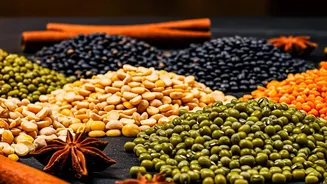
This is where the magic of synergy comes in. Two of the largest and most important plant food groups are grains (like rice and wheat) and pulses (like dal, beans, and chickpeas). On their own, they have limitations. Grains are typically low in the essential amino acid lysine. Pulses, on the other hand, are rich in lysine but tend to be low in another essential amino acid, methionine. When you combine them, one group's weakness is covered by the other's strength. The grain provides the methionine that the pulse is missing, and the pulse provides the lysine that the grain lacks. Together, they create a meal with a complete amino acid profile, providing all the necessary building blocks for your muscles.
The Wisdom of Traditional Indian Meals
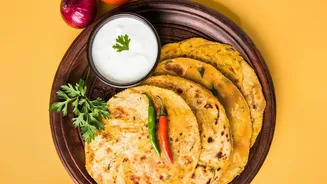
The brilliant thing is that this nutritional strategy is already deeply embedded in Indian culinary traditions. Many of our most beloved comfort foods are, by design, perfect protein pairings. Think of rajma-chawal, where kidney beans (a pulse) are served with rice (a grain). The same goes for dal with roti, where lentils are paired with wheat. South Indian staples like idli and dosa are made from a fermented batter of rice and urad dal, creating a complete protein before they even hit your plate. And khichdi, perhaps the ultimate one-pot meal, is a simple yet powerful combination of rice and moong dal that delivers a complete protein profile. These aren't just delicious pairings; they are nutritionally intelligent combinations.
Do You Need to Combine Them at Every Meal?
In the past, it was believed that you had to eat complementary proteins in the very same meal to get the benefit. However, modern nutritional science has shown that this isn't strictly necessary. Your body maintains a pool of amino acids throughout the day, drawing on them as needed. This means as long as you eat a varied diet that includes different plant protein sources over the course of the day—for example, having dal for lunch and roti for dinner—your body can still combine the amino acids to form complete proteins. So, while pairing them in one meal is an easy and effective strategy, the bigger goal is overall dietary variety.
Other Plant Powerhouses to Consider
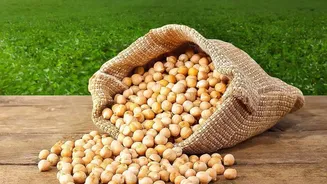
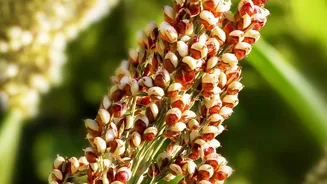
While the grain-and-pulse strategy is a fantastic foundation, it's not the only way to get complete protein from plants. Some plant foods are naturally complete or near-complete proteins all on their own. Soybeans and their products, such as tofu, tempeh, and edamame, are excellent complete protein sources. Quinoa and amaranth (rajgira) are two pseudo-grains that also contain all nine essential amino acids. Incorporating these foods into your diet can add variety and make it even easier to meet your protein needs for muscle health and overall fitness without relying on animal products.