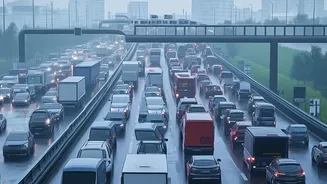


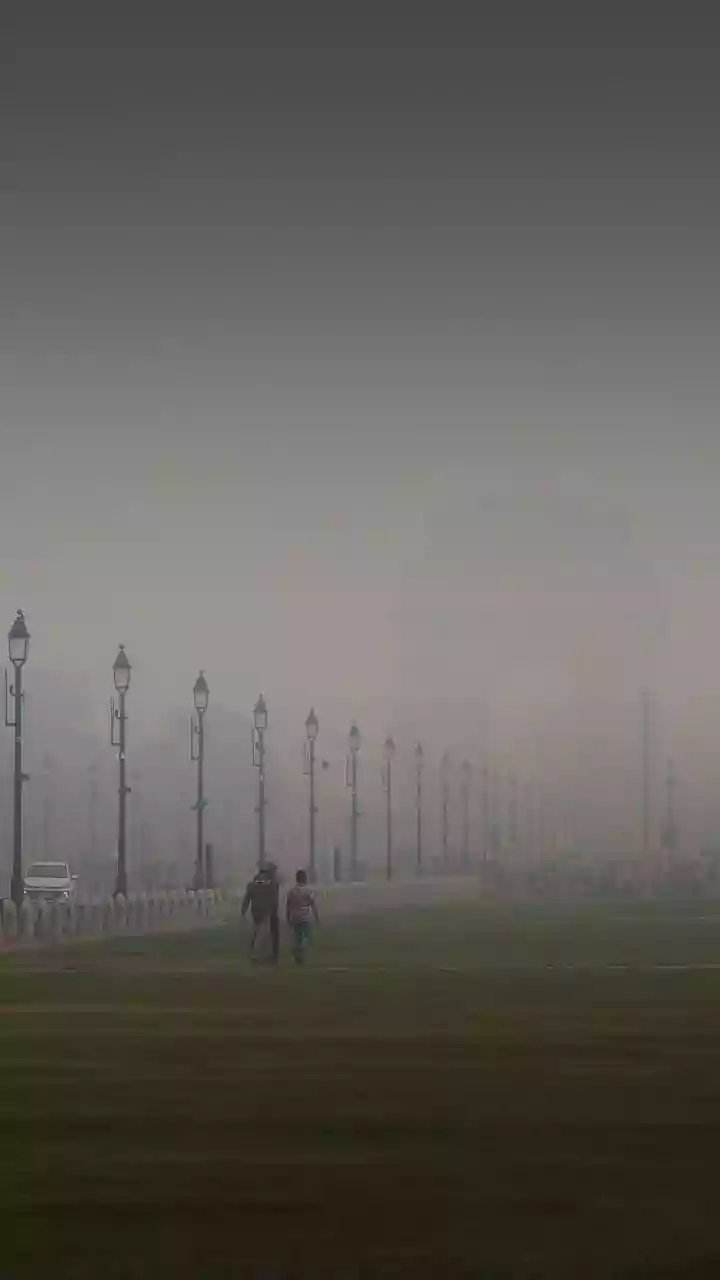


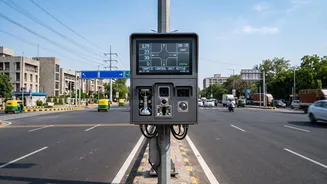
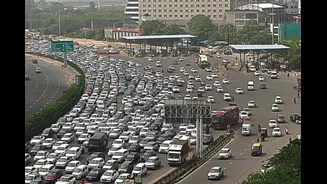
Winter is coming, and with it, stricter vehicle regulations for Delhi and the National Capital Region (NCR). Starting November 1, 2026, a new set of directives will be enforced to combat air pollution, affecting millions of daily commuters.
The Core Mandate: Entry Ban on Non-BS-VI Vehicles
The most significant
change for NCR commuters is the ban on certain vehicles registered outside of Delhi. From November 1, 2026, to January 31, 2027, petrol and diesel vehicles that do not meet the Bharat Stage VI (BS-VI) emission standard will be prohibited from plying in Delhi. This rule specifically targets cars, SUVs, and commercial vehicles registered in neighbouring cities like Gurugram, Noida, Faridabad, and Ghaziabad. Transport department estimates suggest this could impact over a million vehicles in the surrounding NCR towns. The primary goal is to cut down on vehicular emissions, a major contributor to Delhi's hazardous winter air quality.
Check Your Vehicle’s Emission Standard
Commuters must verify their vehicle's emission norm, as this is the deciding factor for entry into Delhi. You can find this information on your vehicle's Registration Certificate (RC) or by using the official Parivahan Vahan portal online. Simply enter your vehicle's registration number to view its details, including the 'Emission Norms' field. India transitioned to the BS-VI standard for all new vehicles sold from April 1, 2020. If your petrol or diesel car was registered before this date, it is likely a BS-IV or older model and will be subject to the entry restriction if registered outside Delhi.
Exemptions to the Entry Ban
Not all vehicles are barred. The entry ban does not apply to any vehicle registered in Delhi. For vehicles registered outside Delhi, there are key exemptions. All electric vehicles (EVs) and vehicles running on CNG are permitted to enter the capital regardless of their registration date or emission standard. Additionally, BS-VI compliant petrol and diesel vehicles from NCR towns can enter freely. The restrictions also exempt designated essential and emergency service vehicles, such as ambulances and fire tenders.
The 'No PUC, No Fuel' Rule
Alongside the entry ban, authorities are strictly enforcing the 'No PUC, No Fuel' policy across Delhi. This means any vehicle, regardless of where it is registered, will be denied petrol, diesel, or CNG at fuel stations if it does not have a valid Pollution Under Control (PUC) certificate. Driving without a valid PUC certificate is a punishable offence under the Motor Vehicles Act and can attract a hefty fine of up to ₹10,000. Commuters should ensure their PUC certificate is up to date, which can be checked and renewed at authorised centres, most of which are located at petrol pumps.
HSRP and Colour-[Coded][Stickers]
While not a new rule for November, the enforcement of High-[Security][Registration][Plates] ([HSRP]) and colour-[coded][fuel][stickers] for four-[wheelers] remains a priority. The colour-[coded][sticker], pasted on the windshield, identifies the vehicle's fuel type—light blue for petrol/CNG and orange for diesel. This system helps authorities enforce fuel-[specific][restrictions] during periods of high pollution. Driving a four-[wheeler] without both HSRP and the correct sticker is a violation and can lead to fines ranging from ₹5,000 to ₹10,000. Two-[wheelers] are exempt from the sticker requirement but must have HSRP.
Other Measures to Discourage Private Transport
To further curb pollution and traffic congestion, other measures are being implemented. Parking fees at many authorised facilities across Delhi will be doubled from November. This is intended to discourage the use of private vehicles for daily commutes. However, EVs and parking facilities managed by the Delhi Metro Rail Corporation (DMRC) are exempt from this price hike. Some government and private offices may also be advised to implement staggered work hours or 50% work-[from]-[home] policies to reduce the number of vehicles on the road during the peak winter months.