
The Sun’s Violent Outbursts
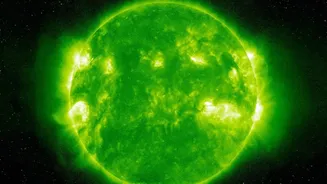
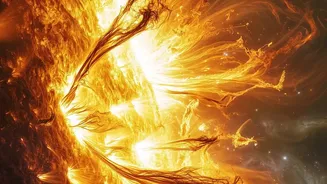
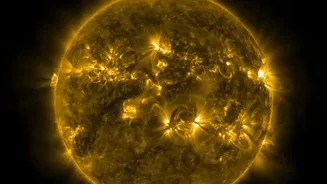
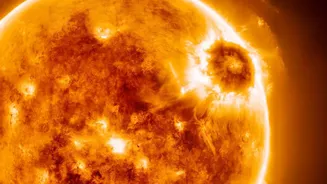
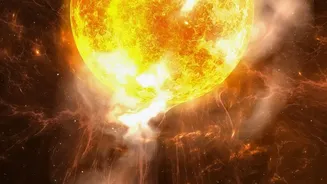
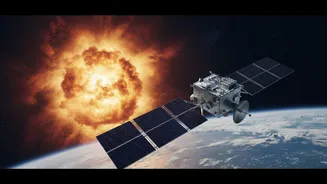
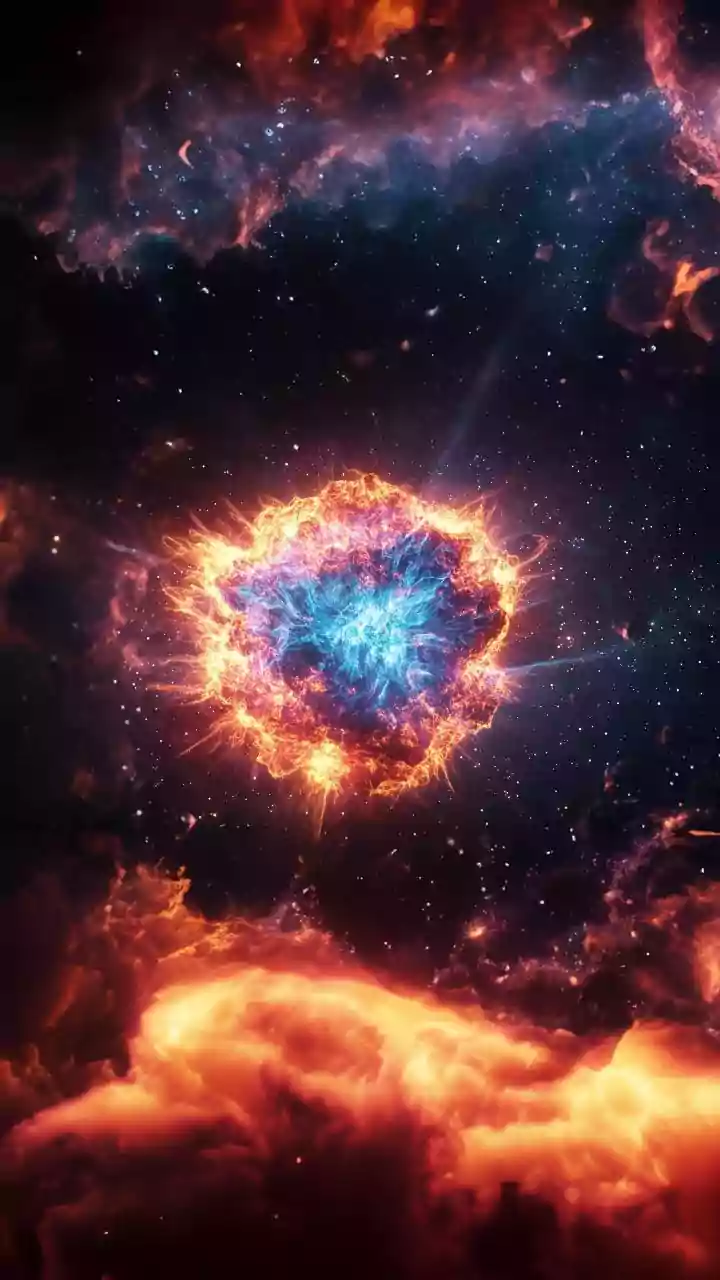
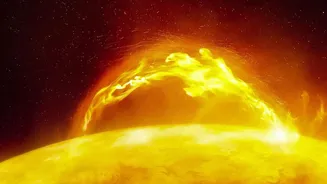
Our Sun is not always the steady, life-giving star we perceive it to be. It has a dynamic and often violent nature. Periodically, it releases enormous explosions of plasma and magnetic fields into space, known as Coronal Mass Ejections (CMEs). Think of a CME as a massive
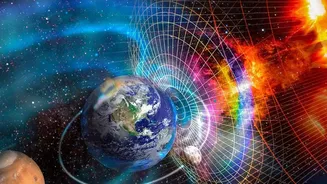
solar cannonball, hurtling through space at speeds of millions of kilometres per hour. While most miss our planet entirely, those that are Earth-directed can have significant consequences. When a CME strikes Earth's magnetic field, it triggers a geomagnetic storm, the same phenomenon responsible for the beautiful aurora. But beyond the light show, these storms can wreak havoc on modern technology.
Aviation's Electronic Achilles' Heel
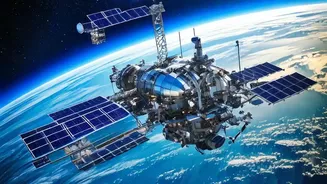
Modern aviation is deeply reliant on systems that are susceptible to space weather. Two key areas are particularly vulnerable: communication and navigation. For long-haul flights, especially over polar routes where other options are limited, pilots depend on High-Frequency (HF) radio to communicate with air traffic control. Geomagnetic storms can disturb the Earth's ionosphere, a layer of the atmosphere that HF signals bounce off of, leading to communication degradation or complete blackouts that can last for hours. Furthermore, Global Navigation Satellite Systems (GNSS), like GPS, are the backbone of modern aircraft navigation. Solar storms can disrupt these satellite signals, reducing their accuracy or causing a total loss of lock. This forces pilots to revert to older, less efficient navigation methods and can compromise the precision needed for landings.
The Power of Prediction
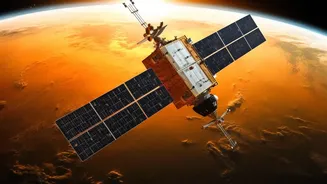
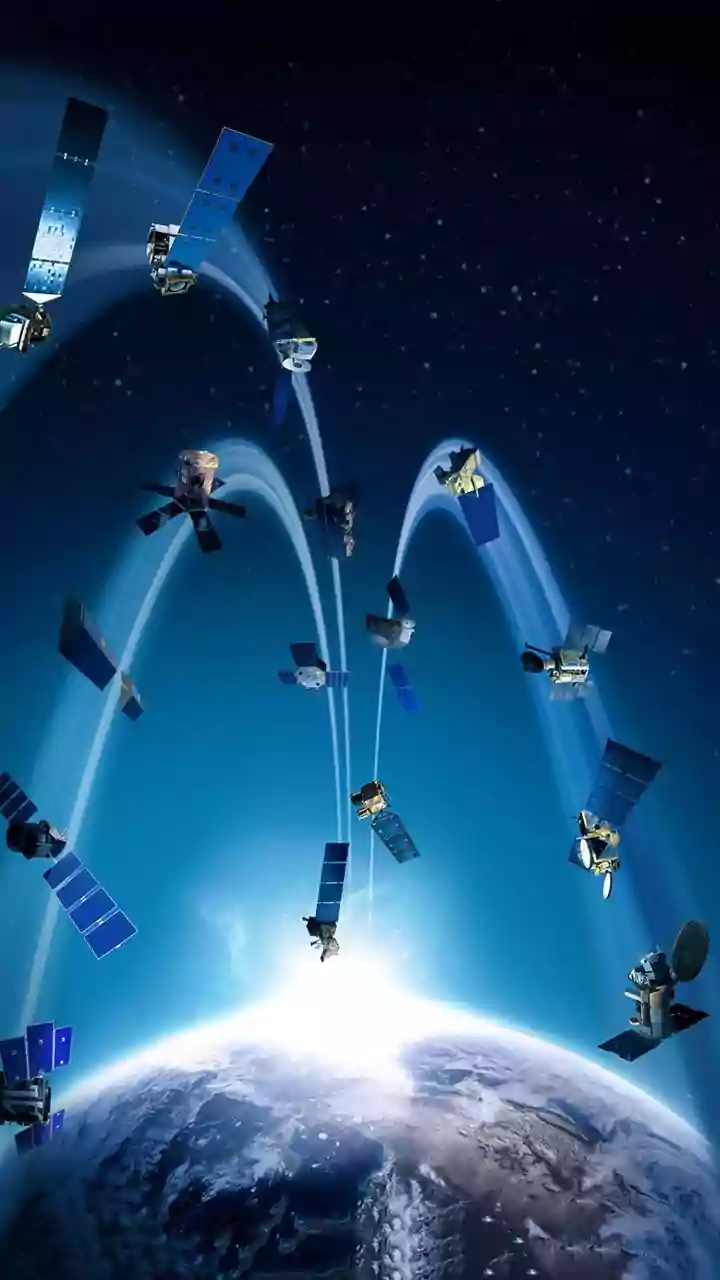
We cannot stop a CME, but we can prepare for its arrival. This is where impact modeling becomes crucial. International bodies and national agencies, like the U.S. National Oceanic and Atmospheric Administration (NOAA), operate a network of satellites and ground-based observatories that constantly monitor the Sun. When a CME erupts, scientists use sophisticated models to forecast its trajectory, speed, and potential intensity. CMEs can take anywhere from 12 to 72 hours to reach Earth, providing a critical window to prepare. These forecasts are not just general warnings; they provide specific information on which regions of the globe will be most affected and what types of disruptions to expect—whether it's HF radio blackouts, GNSS inaccuracies, or increased radiation levels at high altitudes.
From Forecast to Action
Armed with a reliable space weather forecast, the aviation industry can take concrete steps to mitigate risks. This is the core of reducing disruption. Based on advisories from global space weather centres, airlines can reroute flights away from the most affected areas, particularly polar routes, to avoid communication blackouts and higher radiation doses. Air traffic controllers can anticipate potential communication issues and have backup procedures ready. Pilots are made aware of potential GNSS inaccuracies and can prepare to use alternative navigation systems, ensuring safety is never compromised. While these measures might lead to slightly longer flight times or minor delays, they prevent the significant safety risks and large-scale chaos that would ensue from an unpredicted major solar storm, saving the industry substantial economic losses.
A Coordinated Global Shield
Protecting global aviation is a collaborative effort. The International Civil Aviation Organization (ICAO), a specialized agency of the United Nations, has established a framework for providing space weather information to the global aviation community. This system relies on a network of global and regional space weather centres that operate 24/7. These centres issue standardized advisories on HF communications, GNSS, and radiation levels, ensuring that every airline and air traffic controller, no matter where they are in the world, receives the same clear, actionable information. This coordinated approach ensures that there are no weak links in the global aviation network, safeguarding passengers and crew from the sun's powerful outbursts.