



A Culinary Celebration
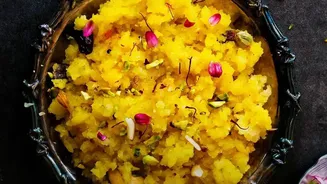
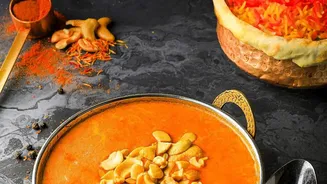
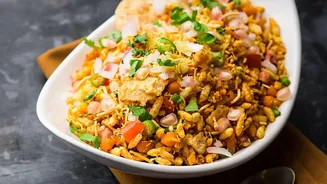
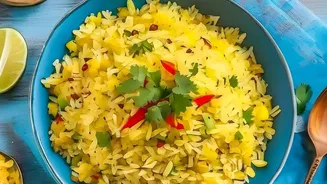
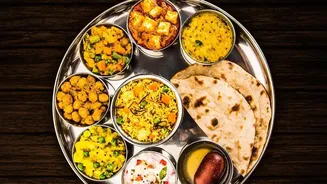
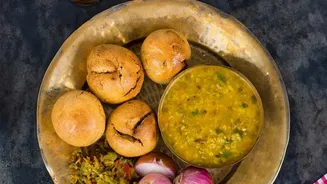
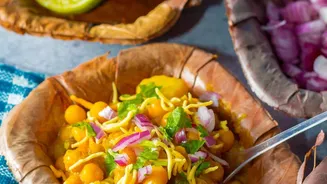
This Navratri, the culinary landscape is a delightful mix of tradition and regional diversity. While classic fasting foods like Sabudana Khichdi, Kuttu ki Puri, and Samak Rice Pulao remain staples, there's a growing trend of incorporating regional delicacies
into the festive menu. Homes and restaurants are crafting special 'vrat-friendly' thalis that go beyond the usual fare. These menus often feature dishes made with rock salt (sendha namak) and ingredients like water chestnut flour, amaranth, and buckwheat. You might find Rajgira Parathas, Makhana Kheer, and sweet and savoury pumpkin dishes sharing the table with fruit chaats and paneer-based preparations. This fusion allows for a richer gastronomic experience, celebrating India's diverse food culture while honouring the spirit of the fast.
Decorating with Modern Tradition
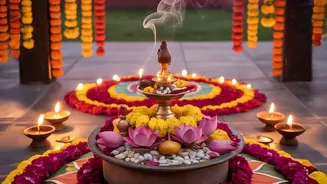
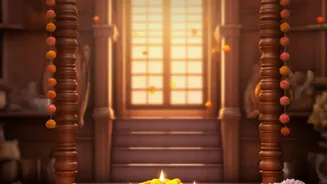
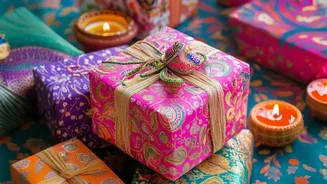
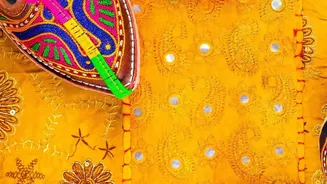
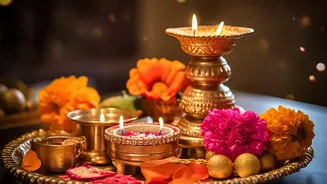
Home decor for Navratri 2026 is all about creating a festive atmosphere with a blend of traditional motifs and contemporary style. The focus is on making spaces feel warm and inviting for gatherings. Simple changes like adding colourful cushion covers, festive table runners, and traditional torans on doorways can transform a home. Flowers, especially marigolds, are used extensively for decorating entrances and home temples. Many are opting for sustainable and DIY decor, using reusable items like brass diyas, urlis filled with water and floating flowers, and fabric backdrops made from old sarees or dupattas. Warm fairy lights and traditional lanterns are popular for creating a soft, ambient glow in the evenings, adding a touch of magic to the celebrations.
The Nine Hues of Navratri
Following the nine colours of Navratri is a cherished tradition that adds a visual rhythm to the festival. For Sharad Navratri 2026, which begins on October 11th, the sequence of colours holds special significance, with each shade representing the qualities of a form of Goddess Durga. The palette for 2026 is Orange, White, Red, Royal Blue, Yellow, Green, Grey, Purple, and Peacock Green. Devotees often coordinate their outfits to these daily colours, and the theme extends to home decor, with families using textiles and flowers of the designated colour each day to honour the specific form of the Goddess being worshipped. This practice creates a collective sense of participation and brings a dynamic, ever-changing beauty to the nine-day festival.
Festive Season Wanderlust
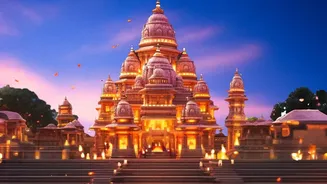
The Navratri period has increasingly become a popular time for short trips and festive getaways. Many people travel to experience the unique regional celebrations across the country. Gujarat, with its world-renowned Garba and Dandiya Raas events in cities like Ahmedabad and Vadodara, remains a top destination. For those seeking a different cultural flavour, Kolkata's magnificent Durga Puja pandals offer an unforgettable artistic and spiritual experience. In the south, Mysuru's grand Dasara processions showcase royal heritage, while Tamil Nadu's Golu doll displays offer a unique glimpse into local traditions. North India also draws crowds, with Varanasi's Ramlila performances along the ghats providing a deeply spiritual atmosphere. These trips allow people to not just celebrate the festival but also immerse themselves in the rich cultural fabric of different Indian states.