






A Hug in a Mug
For generations of Indians, kadha is not just a drink; it's a feeling. It is a warm, aromatic decoction that has been the go-to remedy for coughs, colds, and sore throats long before pharmacies became commonplace. More than a medicine, it is a ritual
of care, lovingly prepared by a mother or grandmother at the first sign of a sniffle. The word 'kadha' itself refers to a traditional Ayurvedic preparation, essentially a concoction made by boiling herbs and spices in water to extract their therapeutic properties. It's a liquid repository of ancient wisdom, passed down through kitchens, embodying the principle of food as medicine.
The Symphony of Spices
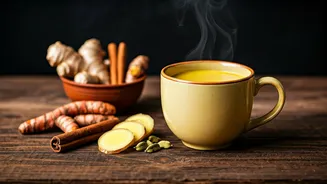
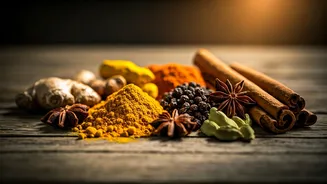
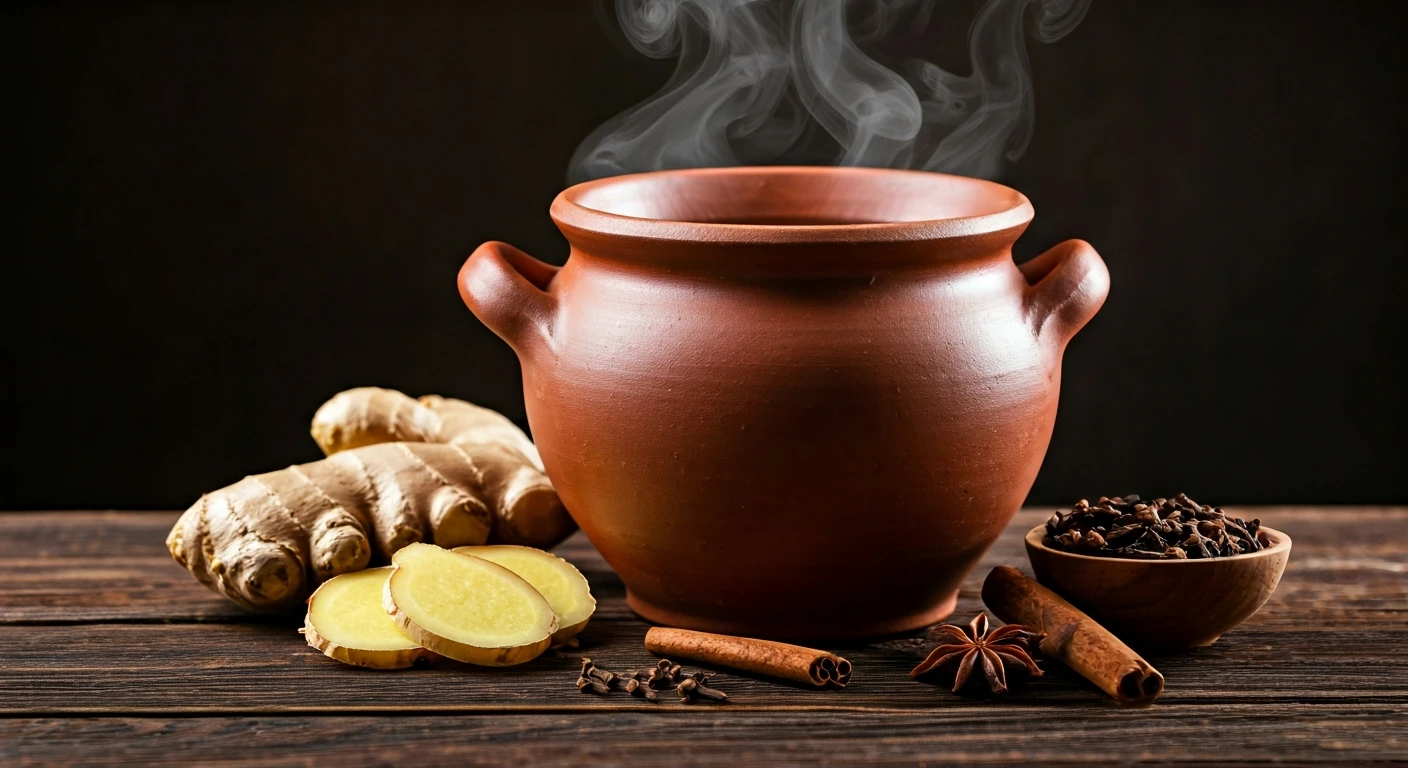
At the heart of every kadha is a blend of powerful kitchen staples, each playing a specific role. Tulsi (Holy Basil), revered in Ayurveda, is often included for its believed ability to fight infections and boost immunity. Adrak (ginger) provides a pungent kick and is widely known for its anti-inflammatory properties, helping to soothe a sore throat. Kali Mirch (black pepper) not only adds heat but is thought to enhance the bioavailability of other compounds, while Laung (cloves) act as a natural analgesic. Dalchini (cinnamon) lends a sweet warmth and is packed with antioxidants. This is not a fixed recipe but a fluid symphony, with each household having its own unique composition, often adjusted for the season or a specific ailment.
The Science of Comfort
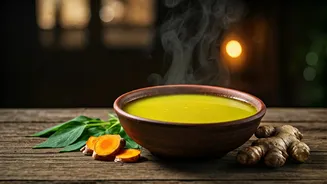
While our ancestors relied on empirical evidence, modern science is now beginning to validate many of the benefits associated with kadha's ingredients. Gingerol in ginger, for instance, has been studied for its potent anti-inflammatory and antioxidant effects. The curcumin in turmeric (another common addition) is similarly celebrated. The essential oils in cloves and cinnamon have demonstrated antimicrobial properties in lab studies, suggesting they may help fight off certain pathogens. Honey, often added for sweetness and to soothe the throat, is a well-documented antimicrobial agent. While a single cup of kadha won't magically cure you, the synergistic effect of these ingredients can help support your body’s natural defence mechanisms, ease symptoms, and provide significant comfort.
A Ritual for the Senses
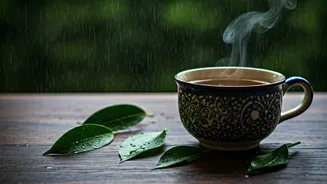
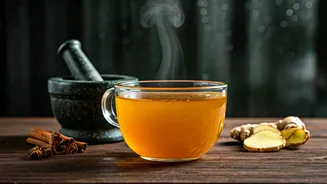
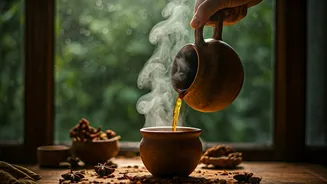
Beyond the biochemistry, the power of kadha lies in its role as a sensory ritual. The act of preparing it is a mindful process: the gentle crushing of ginger and peppercorns, the fragrant steam that rises from the pot, the deep amber colour of the final brew. The aroma alone can feel therapeutic, clearing nasal passages and calming the mind. Holding a warm mug on a cold, rainy day provides a primal sense of security and warmth. It connects us to our childhood, to the comforting presence of family, and to a shared cultural identity. It is a reminder that wellness is not just about a lack of illness, but also about moments of peace, comfort, and care.
Brewing Your Own Comfort
Making your own kadha is simple and deeply rewarding. Start with a cup or two of water. Add a few crushed tulsi leaves, a small piece of grated ginger, 2-3 crushed black peppercorns, and a couple of cloves. Let it simmer on low heat until the water is reduced by about half and has absorbed the colour and aroma of the spices. Strain the liquid into a cup. You can add a stick of cinnamon to the pot while simmering for extra flavour. Finally, stir in a teaspoon of honey or a small piece of jaggery once it has cooled slightly, as boiling honey can reduce its beneficial properties. Feel free to adjust the ingredients based on your preference—that's the beauty of kadha. Make it your own.