




When you picture Goa, bustling shores, vibrant shacks, and a lively party atmosphere might come to mind. But beyond the well-trodden sands lies a quieter, more serene coastline waiting to be discovered by travellers seeking peace and solitude.
Finding a Different Goa
For every
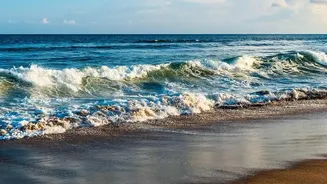
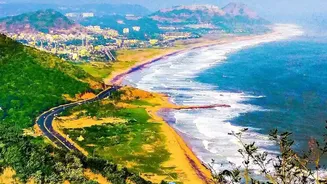
crowded, high-energy beach in Goa, there's a hidden cove or a protected stretch of sand offering a welcome respite. The state's southern coast, in particular, is dotted with gems that have remained largely untouched by heavy commercialisation. These beaches reward the visitor who is willing to venture a little further for an experience that feels more connected to nature. They are places for long walks, quiet reflection, and enjoying the simple rhythm of the waves without the constant buzz of activity. Instead of water sports and loud music, you'll find pristine landscapes, unique local ecosystems, and a sense of calm that can be hard to find elsewhere. For those looking to experience this tranquil side of Goa, two beaches stand out for their beauty and relative seclusion: Butterfly Beach and Galgibaga Beach.
The Secluded Haven: Butterfly Beach
Tucked away in a small, semi-circular cove just north of Palolem, Butterfly Beach is one of South Goa's most enchanting and secluded spots. Often called 'Honeymoon Beach', its isolation is its main allure. The beach is enclosed by dense forest and rocky cliffs, making it inaccessible by a direct road. This lack of easy access is precisely what preserves its tranquil atmosphere. The most common and scenic way to arrive is by a short boat ride from the nearby shores of Palolem or Agonda. This journey often comes with the bonus of dolphin sightings along the way. For the more adventurous, a challenging trek through the forest offers another path to this hidden paradise. Once there, you'll find a small crescent of golden sand, clear blue waters, and a quiet so profound that it feels a world away from the rest of Goa. The beach gets its name from the many species of butterflies that can be spotted on the surrounding foliage. With no permanent shacks or vendors, it is the perfect spot for a quiet picnic, sunbathing, or simply soaking in the untouched natural beauty.
The Conservationist's Coast: Galgibaga Beach
Further south lies Galgibaga Beach, a destination that offers not just tranquility but also a profound connection with nature. Known as one of Goa's three official nesting sites for the endangered Olive Ridley sea turtle, this beach is a sanctuary in every sense. Its 1.7-kilometre stretch of silvery sand is largely undeveloped due to its protected status, with the northern section reserved specifically for turtle nesting. This conservation effort means you won't find the rows of bustling shacks common on other beaches; instead, the shoreline is fringed with casuarina trees, offering a rustic and serene environment. The nesting season typically runs from November to March, and during this time, the Goa Forest Department monitors the area to protect the eggs. While seeing hatchlings is a matter of luck, visiting Galgibaga is a chance to support vital eco-tourism. The beach is exceptionally clean and quiet, ideal for long, meditative walks and birdwatching near the river estuary. Even outside the nesting season, its pristine condition and minimal crowds make it one of the most peaceful coastal experiences in the state.
Planning Your Quiet Escape
Visiting these quieter beaches requires a bit more planning but offers immense rewards. For Butterfly Beach, remember to arrange your return boat trip, as there are no facilities on the beach itself. It's best visited during the day, as the small stretch of sand can narrow significantly at high tide. The best time for a visit is between November and February, when the sea is calm and the weather is pleasant. For Galgibaga, access is more straightforward by road, though it remains far from the main tourist hubs. It's located about 7 kilometres from Palolem. Visitors should be mindful of the protected nesting zones, especially between November and March, and follow all guidelines to avoid disturbing the habitat. Swimming can be risky during the monsoon due to strong currents, so it's best enjoyed during the calm winter months. Both beaches offer a chance to see a side of Goa that is wild, pristine, and deeply restorative.