
From Arid to Alluring
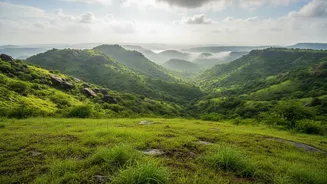
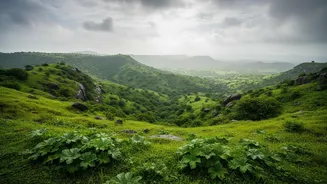
Traditionally seen as a winter destination, Rajasthan is undergoing a remarkable transformation in the eyes of travellers. The monsoon, once considered the off-season, is now a peak period. After months of scorching heat, the rains have breathed new life
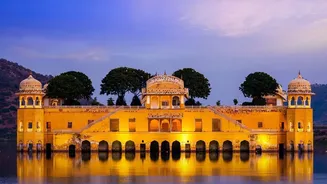
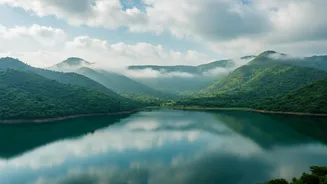
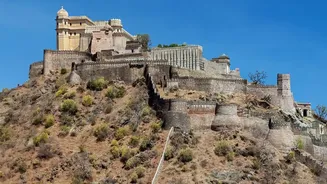
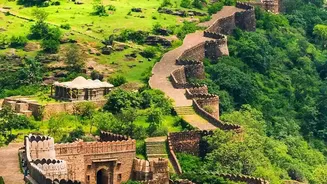
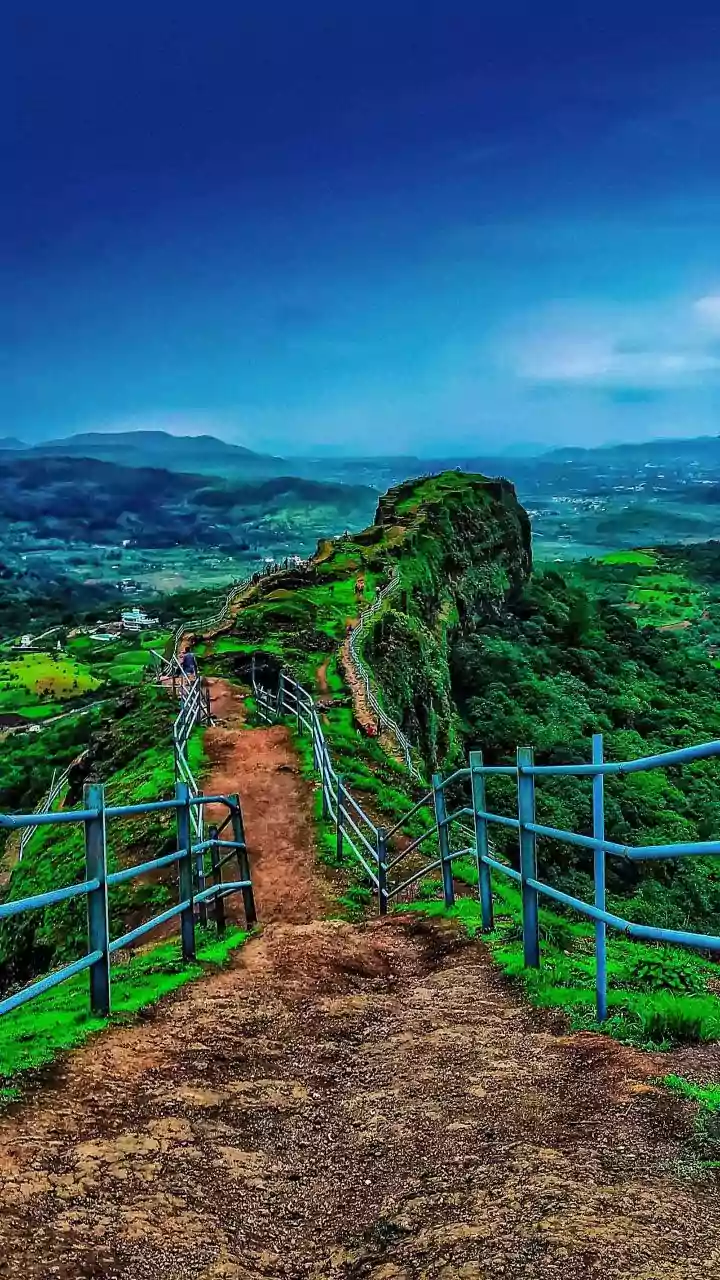
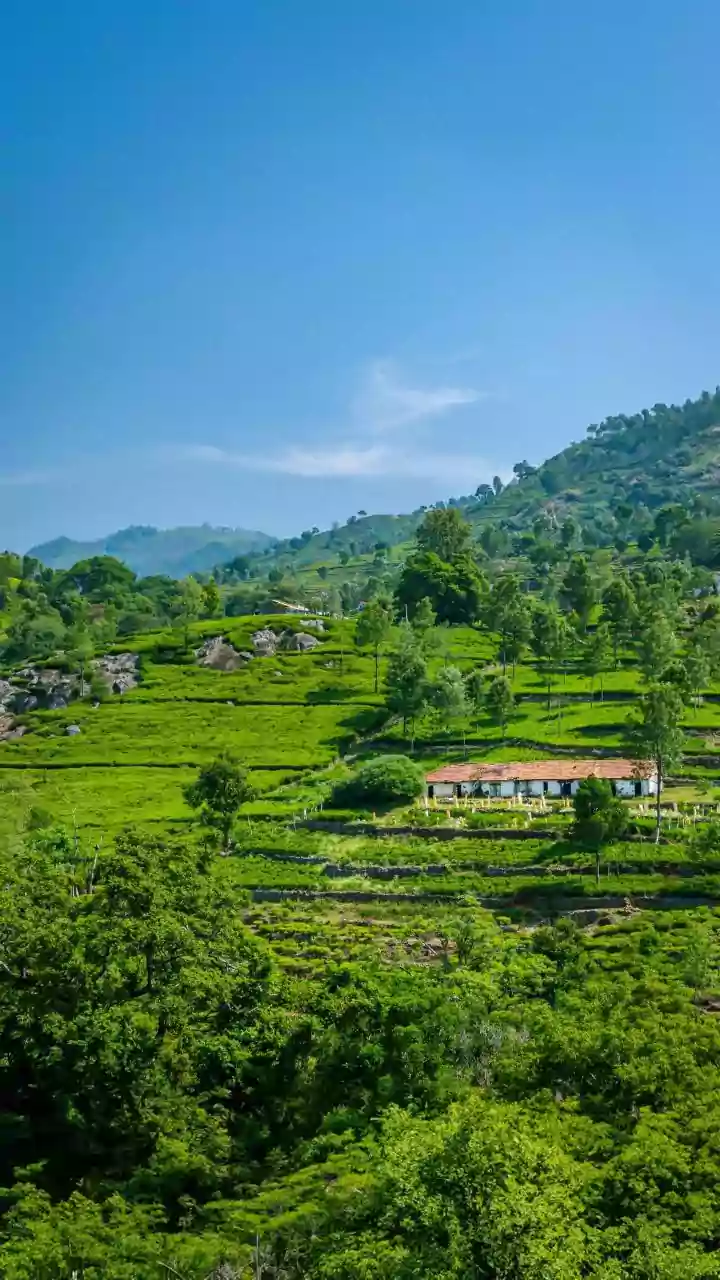
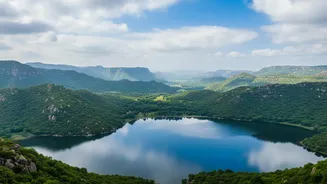
into the landscape. The Aravalli Hills, particularly around Udaipur, Mount Abu, and Kumbhalgarh, are draped in vibrant green, and lakes like Pichola and Fateh Sagar are brimming with water. This green makeover is offering a fresh, romantic perspective on the state's majestic forts and palaces, drawing photographers, nature lovers, and those seeking a respite from the heat. Destinations like Udaipur and Mount Abu have even ranked among India's top monsoon destinations, a testament to this shifting perception.
The Drivers of the Downpour
Several factors are fuelling this monsoon rush. Improved connectivity, including new expressways and better air links, has made quick weekend trips more feasible for domestic tourists. But the real catalyst is a change in traveller behaviour, driven by social media and a desire for unique experiences. Instagram feeds filled with misty shots of the Sajjangarh (Monsoon Palace) and lush wildlife sanctuaries are replacing the quintessential desert imagery. Travel experts call it the rise of 'green tourism', where people are actively seeking nature in its purest form. This trend caters to a growing segment of travellers who prioritise experiences over conventional sightseeing, looking for wellness, spirituality, and cultural immersion.
The Booking Bottleneck
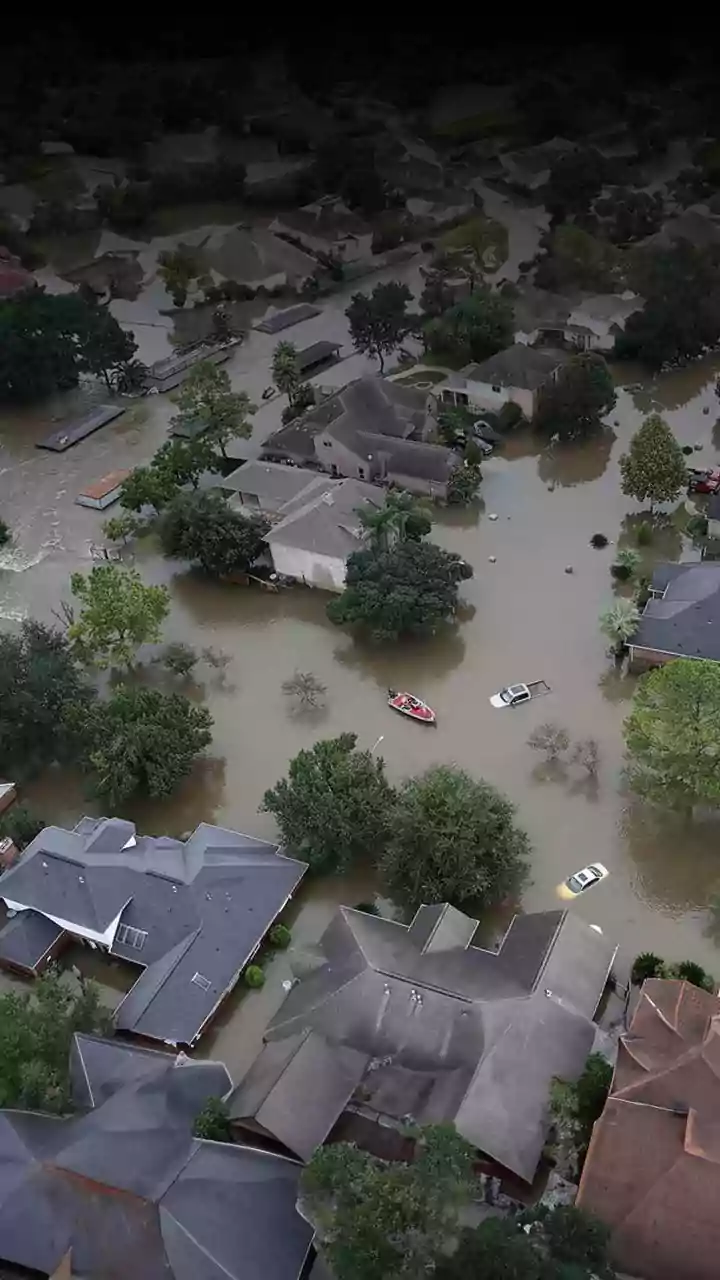
This newfound popularity comes at a price. The booking rush is real, with hotel occupancy rates soaring and prices climbing in popular spots like Udaipur and Mount Abu. While a boon for the hospitality industry, this surge is putting immense pressure on infrastructure that was designed for a seasonal winter peak. Reports from July 2026 show heavy rains causing waterlogging and disrupting travel in cities like Jodhpur, highlighting the challenges of managing a high volume of tourists during an active monsoon. What was once a quiet season offering lower prices and fewer crowds is quickly becoming as busy as the traditional tourist months.
A Flood of Questions
The central question is one of sustainability. Can Rajasthan's fragile ecosystem and heritage sites handle this year-round pressure? Overtourism is already a concern in peak season, leading to environmental degradation and stress on resources like water. Extending this pressure into the monsoon months, a crucial time for ecological recovery, raises serious concerns. Experts warn about the degradation of heritage sites, the pollution of replenished water bodies, and the strain on public services. The very greenery that tourists are coming to see is vulnerable. Unregulated construction and increased footfall threaten the delicate balance that makes the monsoon so magical.
Reshaping a Tourism Calendar
The monsoon surge is undeniably reshaping Rajasthan's economic and tourism identity. It helps combat the extreme seasonality that has long plagued the local economy, providing more stable, year-round employment in a state where tourism is the third-largest employer after agriculture and textiles. This shift could lead to a more resilient industry, less dependent on a single season. However, it requires a fundamental change in planning. Developing infrastructure in lesser-known destinations, implementing strict environmental regulations, and managing carrying capacity are no longer abstract ideas but urgent necessities. The state's ability to manage this boom will determine whether monsoon tourism becomes a sustainable advantage or a long-term liability.