

The High Cost of Going Electric
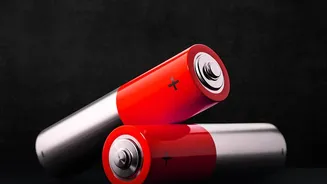
For millions of Indians, the dream of owning an electric two-wheeler is hampered by one significant component: the battery. Lithium-ion batteries, the current industry standard, account for a substantial portion of an EV's total cost. The problem isn't
just the price tag; it's also about dependency. The raw materials for these batteries, primarily lithium and cobalt, are scarce and their supply chains are often concentrated in a few countries. This creates price volatility and geopolitical risks, making it difficult to bring down costs for the Indian consumer. This reliance on imported materials and cells has long been a challenge for India's goal of self-reliance, or 'Atmanirbhar Bharat,' in the green energy sector.
Enter Sodium-Ion: A Salt-Powered Solution
Imagine powering your scooter with a battery made from a key ingredient in common salt. That's the core promise of sodium-ion technology. Unlike lithium, sodium is incredibly abundant and can be sourced easily and cheaply, even from sea salt. This abundance is the primary reason sodium-ion batteries have the potential to be significantly more affordable than their lithium-ion counterparts. Indian companies and researchers are now at the forefront of developing this technology, aiming to create a homegrown solution that breaks the dependency on imported materials and makes electric mobility a more accessible reality for everyone.
More Than Just Cheaper
The benefits of sodium-ion technology extend beyond just cost. These batteries are known for their enhanced safety, as they are less prone to the thermal runaway events that can cause fires in some lithium-ion chemistries. They also perform better in a wider range of temperatures, a crucial advantage for the diverse Indian climate. Furthermore, development in India shows sodium-ion batteries can offer a long lifespan, with some prototypes demonstrating the ability to retain 80% capacity for 3,000 to 6,000 charge cycles, and possess faster charging capabilities. Critically, they can often be manufactured using existing lithium-ion production infrastructure, which could accelerate their path to market.
Understanding the Trade-Offs
While the promise is immense, it's important to understand the current limitations. The primary drawback of sodium-ion batteries is their lower energy density. In simple terms, they store less energy for their weight and size compared to lithium-ion batteries. For a high-performance electric car where range and weight are critical, this is a significant hurdle. However, for electric scooters and three-wheelers primarily used for city commutes, this trade-off is often perfectly acceptable. The slightly reduced range is balanced out by the much lower cost, improved safety, and fast charging, making them an ideal fit for the urban mobility segment that dominates India's EV market.
Indian Companies Leading the Charge
This isn't just a global trend; it's a story of Indian innovation. Major players and startups are making significant strides. Reliance New Energy has acquired a leading UK-based sodium-ion tech firm, Faradion, and plans to manufacture these batteries at its massive gigafactory in Jamnagar, with a target to start in 2026. Pune-based software and engineering firm KPIT Technologies has also developed its own sodium-ion battery technology, which it is commercialising with a partner, Trentar Energy. Meanwhile, startups like IndiEnergy are innovating further by creating battery components from agricultural waste, tackling both energy and environmental challenges simultaneously. These efforts signal a strong push towards creating a complete, indigenous ecosystem for a new generation of batteries.
When Will We See This on the Road?
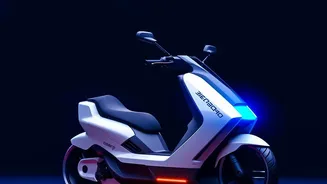
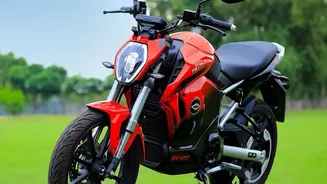
The question on everyone's mind is when these cheaper batteries will be available. The technology is moving from the laboratory to commercial production. Reliance aims for its battery giga factory to commence operations by 2026. Some EV manufacturers have already announced plans to launch two-wheelers powered by sodium-ion batteries around the same timeframe. While lithium-ion will continue to power high-performance vehicles, the progress in sodium-ion tech suggests that within the next few years, Indian consumers could start seeing a new wave of more affordable electric scooters hitting the streets. This progress is a critical step towards achieving mass adoption of electric vehicles in the country.