









The Monsoon's Perilous Charm
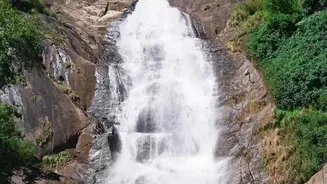
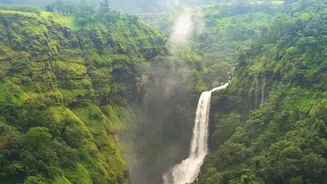
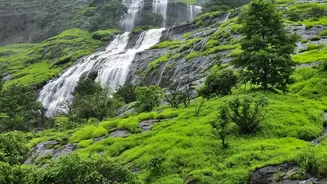
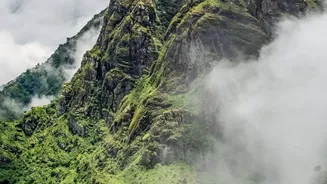
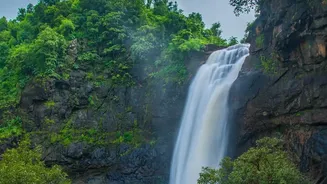
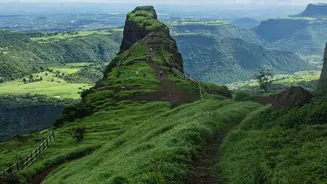
Every year, the monsoon transforms the Western Ghats into a trekker's paradise. The landscape, which stretches through states like Maharashtra, Karnataka, and Goa, explodes with life. However, the same rains that create this beauty also bring immense
risk. Slippery rock paths, poor visibility due to fog, and swollen streams can turn an adventure into a life-threatening situation. Flash floods in narrow gullies are a particular danger, capable of appearing suddenly even if it isn't raining at the trekker's location. In response to a rising number of incidents and safety concerns, authorities have become increasingly strict. For the 2026 monsoon season, many popular trails, waterfalls, and forts have been either completely banned or heavily restricted across the region.
A New Era of Regulation
States have implemented robust new rules to manage the influx of trekkers and enhance safety. In Karnataka, the Forest Department has rolled out a detailed Standard Operating Procedure (SOP) for trekking in its forests. A key change is the mandatory online registration for all treks via the Aranya Vihara portal, with no on-the-spot bookings allowed. Furthermore, solo trekking is largely banned, and groups must be accompanied by certified local guides, with a required ratio of one guide for every ten trekkers. These measures are designed to prevent trekkers from getting lost and to ensure that groups are led by individuals familiar with the local terrain and its monsoon-specific hazards. Many trails now have daily caps on the number of trekkers allowed to prevent overcrowding and reduce environmental impact.
How GPS Tracking Changes the Game
The most significant technological shift is the adoption of GPS-enabled devices. As part of its new SOPs, the Karnataka government has made it mandatory for guides to carry GPS-enabled walkie-talkies. These devices serve a dual purpose. Firstly, they allow guides to report their group's status to the base camp at regular intervals, ensuring constant monitoring. Secondly, and most crucially, they provide real-time location data. If a group deviates from the trail, fails to check in, or an emergency is declared via an SOS function, rescue teams can pinpoint their exact location immediately, drastically reducing response times. This proactive monitoring system is a move away from reactive searches, aiming to prevent disasters before they escalate.
From Devices to Mobile Apps
The technology isn't just limited to handheld devices for guides. Authorities are also mandating that trekkers themselves install a mobile application on their phones before starting a trek. This app contains detailed maps of the approved routes, which helps trekkers stay on the designated path. More importantly, it allows monitoring agencies to locate a trekker if they become separated from their group or get lost. While a personal GPS tracker or a feature-rich smartwatch can provide similar functionality, the government-mandated app ensures a uniform system is in place for everyone on the trail. Failure to check out at the end of a trek using these systems can automatically trigger a search protocol.
What This Means for Trekkers
For anyone planning a monsoon trek in the Western Ghats, this new landscape demands more preparation. The days of spontaneous trips to popular spots are over; advanced online booking is now essential. Trekkers must choose registered operators who comply with the new guidelines, including the provision of certified guides and tracking technology. While these measures might add a layer of bureaucracy to the experience, they represent a critical investment in safety. It is a shared responsibility; authorities provide the framework, operators supply the technology and guides, and trekkers must follow the rules, carry appropriate gear, and respect the power of the monsoon.