



A New Era of Collaboration
The foundation for this new career boom was set when India signed the Artemis Accords, a set of principles guiding international cooperation in space exploration. This was more than a diplomatic handshake; it was a formal entry into a global framework
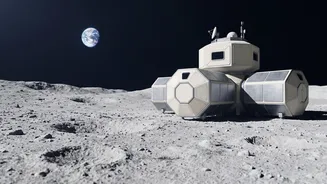
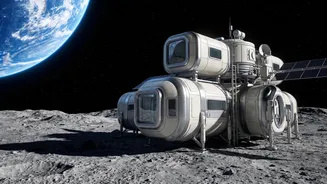
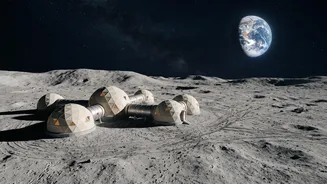
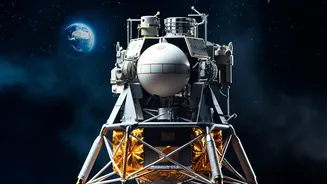
for the future of the space economy. More recently, in August 2026, NASA officially invited ISRO to participate in its ambitious Moon Base program, which aims to establish a permanent human outpost on the lunar south pole. This collaboration moves India from being a respected space-faring nation to a critical partner in humanity's return to the Moon, creating a direct link between international projects and domestic opportunities.
Beyond the Rocket Scientist
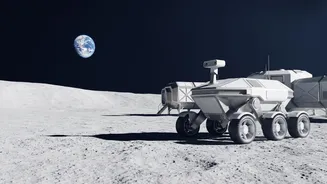
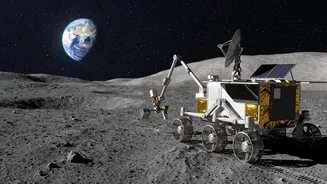
When you think of a career in space, the image of an astronaut or a rocket scientist often comes to mind. While those roles remain crucial, the modern space economy demands a much wider array of skills. The most valuable resource flowing from space today isn't moon rocks; it's data. This creates a massive demand for data scientists and AI specialists who can interpret satellite imagery and mission data for applications ranging from climate monitoring to urban planning. Similarly, as missions become more complex, experts in robotics and autonomous systems are needed to design the rovers and robotic arms that will build and maintain lunar habitats.
The Private Sector Gold Rush
For decades, a career in space in India meant working for ISRO. That has fundamentally changed. With policy reforms opening the sector, India is now home to hundreds of space-tech startups. These private companies are the new epicenters of job creation, building everything from satellites and launch vehicles to the software that runs them. This privatization means that NASA's partnership is not just with ISRO, but with an entire ecosystem of Indian innovation. An Indian company could soon be bidding on contracts to supply components or software for a lunar rover, creating high-tech jobs in cities like Bengaluru and Hyderabad.
Building for the Moon, from India
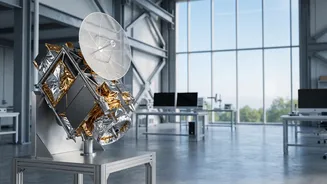
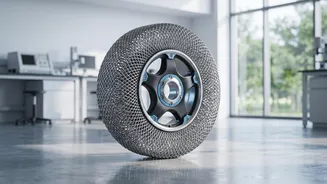
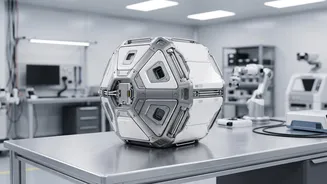
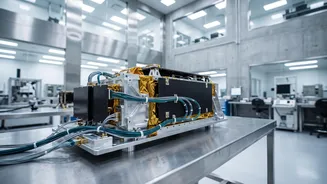
A permanent moon base requires an immense amount of hardware, and India is well-positioned to help build it. The collaboration opens up opportunities for Indian manufacturing and engineering firms to contribute to the global supply chain. This could involve developing advanced materials that can withstand the extreme temperatures of the lunar surface, creating life-support systems for habitats, or manufacturing components for communication and navigation systems. Professionals with expertise in advanced manufacturing, materials science, and electronics will find their skills are directly applicable to building the infrastructure for humanity's future on the Moon.
The Non-Technical Frontier
The lunar economy won't just be built by engineers and scientists. As space becomes a domain for international collaboration and commerce, a host of non-technical roles are becoming equally vital. The Artemis Accords themselves are a product of international law and diplomacy, highlighting the need for space lawyers and policy experts. Managing complex, multi-year projects like building a moon base requires skilled project managers. With the physiological and psychological challenges of long-duration spaceflight, there is even a growing field for space medicine and psychology. These roles are essential for creating a sustainable and well-governed presence in space.
Skills to Cultivate Now
For students and professionals looking to pivot into this exciting field, the time to prepare is now. On the technical side, skills in Python, machine learning, and AI are in high demand for data-centric roles. Experience with robotics, autonomous systems, and embedded systems is crucial for hardware and mission-related jobs. Foundational degrees in aerospace, mechanical, and electrical engineering remain a primary gateway. But equally important is cultivating a multidisciplinary mindset. The challenges of space exploration are complex, and employers are looking for people who can work across different fields to find innovative solutions.