



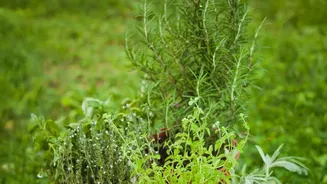
Why the Monsoon is a Gardener's Friend
After months of battling scorching heat, the rainy season provides a natural miracle for plants. The cooler temperatures, increased humidity, and softer sunlight create ideal growing conditions. Rainwater itself is a blessing; it's naturally soft and free
from the chemicals found in treated tap water, helping to wash away soil residues and allowing roots to absorb nutrients more efficiently. This environment of consistent moisture and gentle light encourages vigorous growth, making it the perfect time for even novice gardeners to start.
Your Urban Garden, Your Way
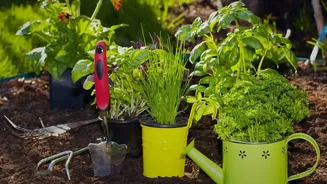
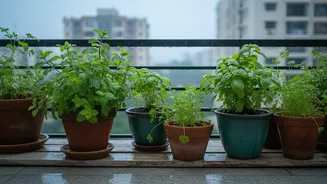
You don’t need a sprawling backyard to grow fresh herbs. City living calls for creativity, and even the smallest spaces can become productive. A kitchen windowsill that gets a few hours of light is perfect for a pot of Tulsi or mint. Balconies are prime real estate for container gardening; you can use a mix of pots, hanging baskets, and vertical planters to maximise your space. The key is to ensure every container has good drainage holes at the bottom—this is non-negotiable during the monsoon to prevent waterlogging and root rot. Elevating pots on stands or bricks can also help excess water drain away freely.
Monsoon-Ready Herbs for Indian Homes
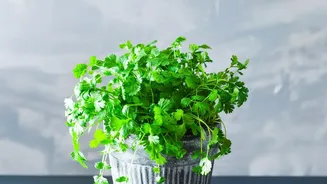
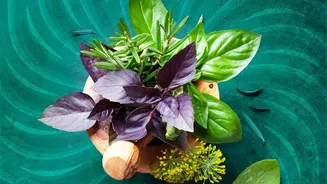
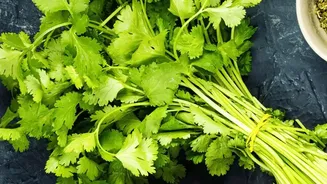
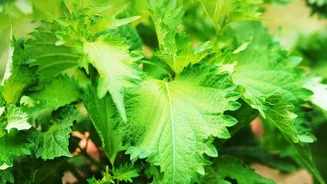
Choosing the right plants is crucial for a successful monsoon garden. Luckily, many herbs beloved in Indian cuisine thrive during this season. Mint (Pudina) is incredibly easy to grow; it loves moist soil and partial shade, making it perfectly suited for the rains. Holy Basil (Tulsi) is another must-have, known for its immunity-boosting properties that are especially welcome during the damp season. It adapts well to pots but needs protection from heavy, direct rain. Coriander (Dhania) is fast-growing, while Lemongrass not only adds flavour to teas but also acts as a natural mosquito repellent—a handy bonus during the monsoon. For something a little different, try Indian Borage (Ajwain leaves), a fleshy, aromatic herb that is very forgiving and loves the humidity.
Getting the Basics Right: Soil and Pots
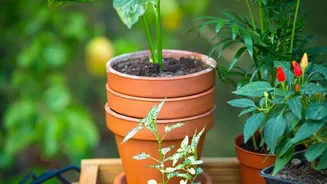
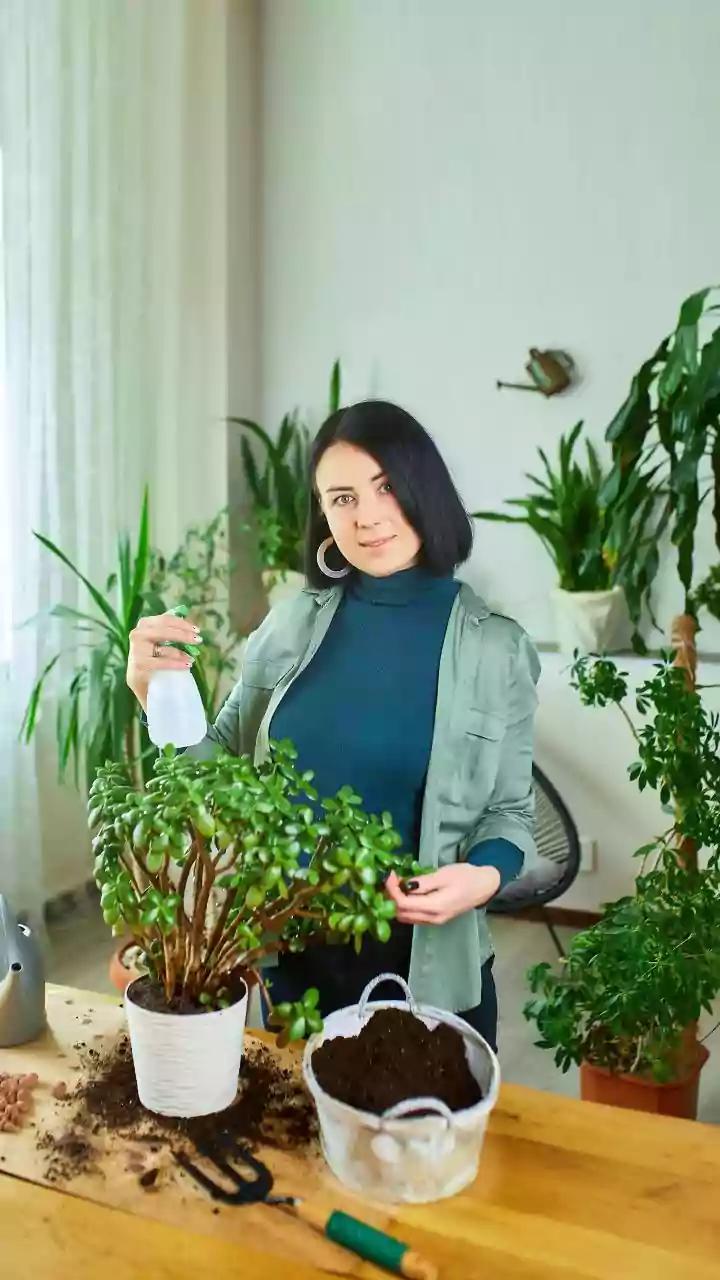
Success starts with a good foundation. For container gardening, a light, well-draining potting mix is essential. You can create your own by mixing regular garden soil with compost and a bit of sand or cocopeat to improve aeration and prevent compaction. When it comes to pots, terracotta is an excellent choice for the Indian climate as its porous nature allows soil to breathe and helps prevent roots from getting too soggy. Ensure your pots are at least 6-8 inches deep to give roots enough space to grow.
Rainy Season Plant Care
While the monsoon brings welcome rain, it also presents unique challenges. Overwatering is the biggest risk. Even though it’s raining, always check if the top inch of soil is dry before watering your plants manually. High humidity can also encourage fungal issues, so ensure there is good air circulation by not overcrowding your plants. Regularly pinch off the tops of herbs like mint and basil; this encourages them to grow bushier and produces a bigger harvest. For Tulsi, it's important to remove the flowering heads (manjiri) to redirect the plant’s energy into producing more fragrant leaves.
From Your Balcony to Your Plate
The ultimate reward of your gardening efforts is the joy of harvesting your own produce. There is something deeply satisfying about plucking fresh mint for your evening chai or snipping coriander leaves to garnish a curry. Homegrown herbs are not only fresher and more flavourful than store-bought versions, but they are also free from pesticides. Beyond the culinary benefits, tending to plants offers a therapeutic escape from the hustle of city life, reducing stress and fostering a connection with nature.