



Tyres and Brakes: Your Connection to the Road
Your tyres are the single point of contact with treacherous terrain. After the monsoon, roads can be a mix of slick tarmac, loose gravel, and slushy patches. Ensure your tyres have ample tread depth—at least 3mm is non-negotiable to prevent aquaplaning
in water crossings. Check for any cuts or bulges and get the wheel alignment and balancing done. Equally important are your brakes. The long, steep descents from high passes put immense strain on them. Get the brake pads, shoes, and brake fluid checked and replaced if necessary. A mechanic might say they'll last another few thousand kilometres, but this is not the road to take chances on.
Engine and Fluids: The Heart of Your Vehicle
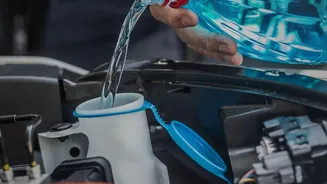
The high altitude and constant steep climbs of the Manali-Leh route put the engine under severe stress. Thin air means less oxygen for combustion, which can affect performance. Start with a full service if you're close to the recommended interval. Pay special attention to fluids. Change the engine oil and oil filter. Critically, check the coolant. An engine overheating on a pass like Tanglang La is a common and serious problem. Ensure the coolant is topped up and the system has no leaks. Also, have the air filter and fuel filter cleaned or replaced, as the dusty environment can clog them quickly.
Suspension and Undercarriage: Built for Bad Roads
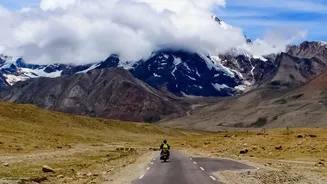
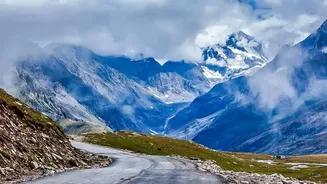
The journey is notorious for its broken tarmac, unpaved sections, and rocky water crossings. A healthy suspension is vital not just for comfort, but for control. Have a mechanic thoroughly inspect the suspension system, including struts and shock absorbers, for any wear or leaks. For vehicles with lower ground clearance, protecting the underbelly is crucial. A single sharp rock can crack an oil sump, leaving you stranded. Consider installing a metal engine sump guard for an extra layer of protection against the brutal terrain.
Electrical System: Powering Through the Cold
The cold nights at high-altitude stops like Sarchu or Pang can be brutal on a car's battery. Cold temperatures drastically reduce a battery's output, making morning starts difficult. If your battery is more than two or three years old, have it professionally tested or consider replacing it before you leave. Ensure the terminals are clean and tight. Also, check that all your lights are working perfectly—headlights, tail-lamps, brake lights, and fog lamps. Rain and fog can reduce visibility to near zero, and your lights are a critical safety feature.
Special Care for BS6 Diesel Vehicles
Owners of modern BS6 diesel cars should be aware of the Diesel Particulate Filter (DPF). The low-oxygen, low-speed, and low-RPM driving conditions on the Manali-Leh highway are not ideal for the DPF's automatic regeneration process, which requires higher speeds and RPMs. This can lead to a clogged filter and a vehicle breakdown. While there's no easy fix on the road, being aware of this is important. Try to use lower gears to keep RPMs up when climbing, and consult your vehicle's manual for any specific advice on forced regeneration.
Essential Toolkit and Spares
While not strictly maintenance, a well-stocked toolkit is your best insurance policy. The most common issues are tyre punctures and battery problems. Your kit should include: a robust tyre inflator, a tubeless puncture repair kit, a hydraulic jack (often better than the stock one), and jump-start cables or a portable battery bank. Also, carry extra fuses, a basic spanner set, and spare headlight bulbs. Given the remoteness, knowing how to perform basic repairs yourself can be the difference between a minor delay and a trip-ending disaster.