
Meet the Fiery Headliners
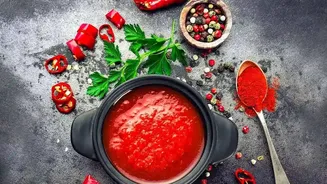
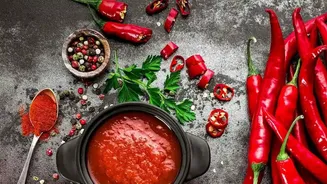
Let’s start with the star players. First is the Bhut Jolokia, also famously known as the ghost pepper. Hailing from Northeast India, it held the Guinness World Record for the world's hottest chili in 2007, rated at over one million Scoville Heat Units.
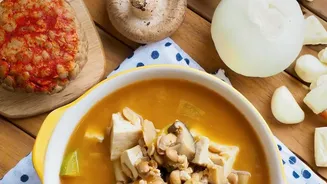
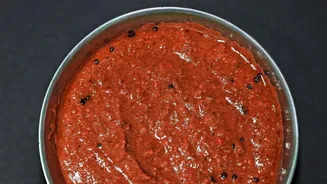
But its appeal isn't just raw power; it has a subtly sweet and smoky flavour that adds complexity to dishes. Then there's Axone (pronounced 'akhuni'), a fermented soybean product from Nagaland known for its incredibly strong, pungent aroma and a deep, savoury taste. Along with other fermented items like 'Anishi' (fermented yam leaves) and 'Hentak' (fermented fish paste), these ingredients have been staples in Northeastern households for centuries, used to flavour everything from pork curries to chutneys.
A Hunger for Authenticity
For years, mainstream Indian restaurant food was a predictable cycle of butter chicken and paneer tikka. But now, a significant shift is underway. Diners are actively seeking out more diverse, regional flavours that tell a story. This growing curiosity is dismantling old stereotypes about Northeastern food, which was often misunderstood due to its unfamiliar aromas and ingredients. There’s a rising sense of pride in India’s own culinary diversity, and chefs are responding by exploring the rich tapestry of ingredients from their own backyard. Instead of looking outward for the next big thing, they are finding inspiration in the regional kitchens of Nagaland, Manipur, and Assam. This trend is about more than just novelty; it's a move towards celebrating authentic Indian heritage.
Beyond the Spice: The Umami Revolution
While the Bhut Jolokia brings the heat, fermented pastes like Axone are delivering something just as coveted: umami. Often called the fifth taste, umami is a savoury, deep flavour that makes food satisfying and complex. Fermented foods are packed with it. Axone, created by boiling and then fermenting soybeans, develops a rich, earthy profile that can elevate a simple dish into something extraordinary. Chefs are discovering that these pastes can be used as a natural flavour-enhancer, adding a savoury depth that you can’t get from salt or common spices alone. This has allowed them to create more layered and interesting dishes, moving beyond simple heat and into a more nuanced world of flavour.
The Modern Plate
So how are these potent ingredients being used in urban cafés? The key is fusion. Chefs aren't just recreating traditional Northeastern dishes; they are ingeniously weaving these flavours into modern, familiar formats. Imagine a Bhut Jolokia-spiked mayonnaise slathered on a gourmet burger, or a dash of Axone used to create an 'umami salt' or a vinaigrette for a salad. Some chefs are creating Naga-style pork crostinis or using fermented bamboo shoots in contemporary sauces. This creative approach makes these bold flavours more accessible to diners who might be hesitant to try a traditional, unfamiliar dish. By placing them in a recognisable context, like a pizza topping or a spicy cocktail, chefs are building a bridge between culinary traditions and introducing a whole new audience to the wonders of Northeast India’s pantry.