





The Green Promise and Its Pull
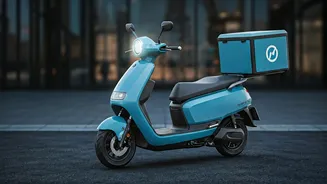
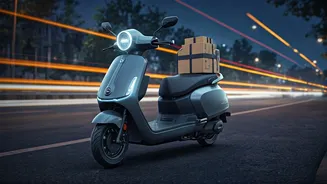
For India's massive gig workforce, the transition to electric vehicles was presented as a clear win. With petrol prices constantly fluctuating, the primary allure of an e-scooter is the significant savings on fuel. [3] The maths seemed simple: lower running
costs should translate directly into higher take-home pay. One report suggested that delivery partners could see their earning potential rise by as much as 18% by switching to electric. [4] This financial incentive has been a powerful driver of adoption. A 2023 survey from delivery service Borzo found that over 75% of its surveyed riders had already made the switch. [3] Recognising this trend, large platforms like Flipkart have launched initiatives such as 'EV Assist' to make vehicle rentals and financing more accessible for their delivery executives, acknowledging that affordability and ecosystem confidence are major factors. [6] The message from platforms and EV manufacturers has been one of progress, sustainability, and worker empowerment.
Reality on the Road: Infrastructure Gaps
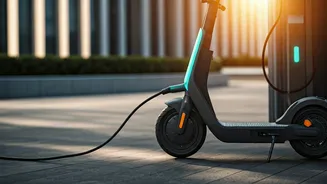
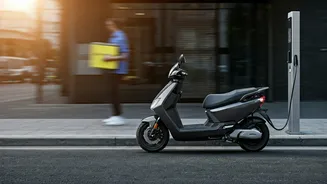
The daily reality for many EV-riding gig workers, however, is far from seamless. The most significant hurdle is India's underdeveloped charging infrastructure. In one survey, over 40% of riders cited difficulty in finding charging spots as their main challenge. [3] This creates 'range anxiety'—the constant fear of a battery dying mid-shift, which means lost time and lost income. [2] While battery swapping has been promoted as a quicker alternative to charging, the network of swapping stations is vastly outnumbered by charging points. [2] This problem is compounded by a lack of standardization; batteries from one company often don't fit vehicles from another, making many swapping stations proprietary and limiting their utility. [2, 7] A worker can’t simply pull up to any station and expect a compatible, charged battery, creating a fragmented and frustrating system.
The Hidden Costs of Going Electric
Beyond the daily logistical headaches, the economics of EV ownership for gig workers are more complicated than they appear. While running costs are low, the upfront purchase price of an electric two-wheeler can be 1.5 to 2 times higher than its petrol counterpart. [4] Many gig workers lack the formal credit history needed to secure fair financing, pushing them towards expensive loans that erode their savings. [4] Furthermore, the maintenance ecosystem for EVs is still maturing. There is a shortage of skilled mechanics, and informal repair shops, the backbone of vehicle maintenance for many, are often unequipped to handle the new technology. [4, 14] When a vehicle breaks down, the downtime is not just an inconvenience; it's a direct financial loss for a worker whose pay is tied to completing deliveries. Every hour the vehicle is offline is an hour of zero earnings. [21]
A Growing Call for Accountability
These issues are layering on top of the already precarious nature of gig work in India, where workers bear most operational costs and risks. [10] The problems extend beyond simple support to fundamental safety. In Telangana, a gig workers' union raised alarms, accusing some EV companies that supply vehicles to delivery platforms of flouting motor vehicle rules on weight, speed, and power. [8] The union argued that these non-compliant vehicles not only pose a safety risk but could also invalidate insurance claims in case of an accident. [8] This highlights a critical gap in accountability. While platforms encourage the EV transition, workers and their unions argue that these companies are not doing enough to ensure the vehicles are safe, reliable, and adequately supported by a robust maintenance and charging network. This leaves the individual worker to navigate a complex and often unforgiving system on their own.