




The Science of Rainy Day Cravings
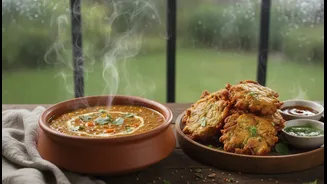
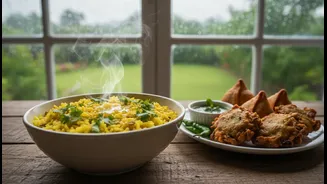
There's a reason the sound of rain makes you want a hot samosa. The dip in sunlight during overcast days can lower levels of serotonin, the body's mood-regulating hormone. This pushes us to crave comforting, carbohydrate-rich foods that provide a quick
sense of satisfaction. The cooler, humid weather also creates a sensory contrast with hot, crispy, and flavourful foods, making them feel more appealing. More than just science, these cravings are deeply emotional. For many, the monsoon is tied to childhood memories of family sharing freshly fried snacks and hot meals indoors, making the desire for these foods feel almost automatic.
From Street Food Staples to Curated Menus
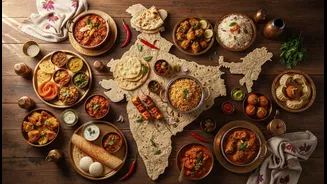
While pakoras, bhutta (roasted corn), and masala chai remain the undisputed champions of monsoon street food, the trend is evolving. Restaurants, from casual cafes to fine-dining establishments, are now curating entire monsoon-themed menus. These menus are a deliberate celebration of the season, moving beyond the obvious to reintroduce dishes traditionally made at home during the rains. This shift is turning a seasonal craving into a full-fledged culinary event, allowing diners to explore a wider array of comfort foods that were previously not widely available commercially.
A Taste of Home and Heritage
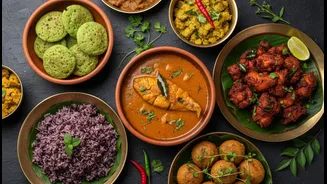
The heart of this trend is nostalgia. Chefs are digging into their own pasts and regional culinary traditions to highlight dishes that evoke the feeling of a home-cooked meal during a downpour. This includes soulful preparations like Khichdi, often described as the food equivalent of a warm hug, served with a dollop of ghee. In Goa, for instance, the focus might turn to Patolis—steamed rice pancakes filled with coconut and jaggery, wrapped in fresh turmeric leaves that are abundant during the season. In Assam, chefs highlight light, tangy flavours suited for the humidity, using ingredients like thekera (elephant apple) in chicken and dal preparations. These menus are making regional, home-style cooking more discoverable for a new generation of diners.
Celebrating Seasonal Produce
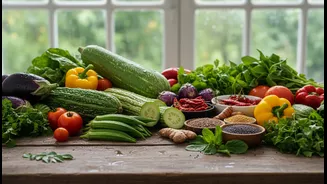
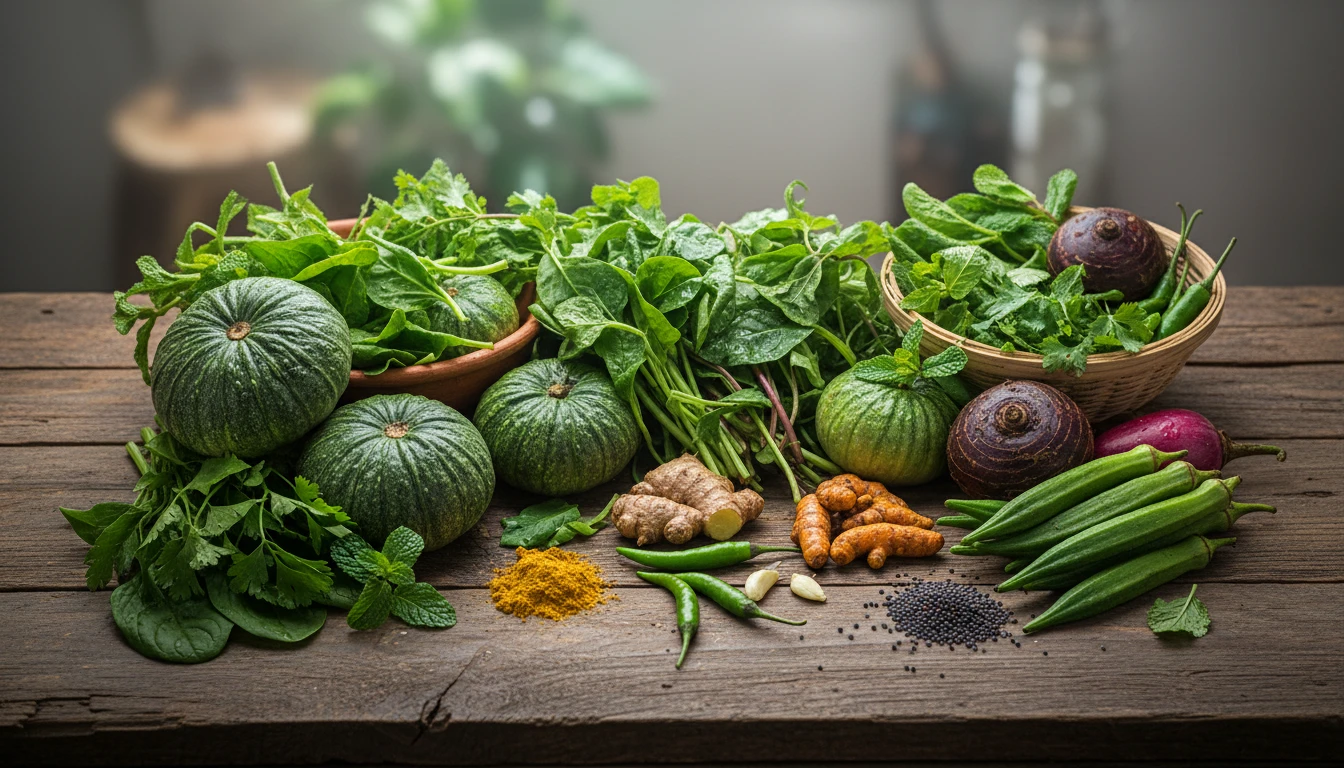
Beyond just comfort, these menus are a return to seasonal eating. The monsoon brings a unique bounty of ingredients that chefs are eager to showcase. In Karnataka, colocasia leaves are used to make Patrode, a dish where the leaves are smeared with a spiced paste, rolled, and steamed. In Maharashtra, kitchens celebrate with dishes like Pithla Bhakri, a simple but hearty gram flour curry. This focus on seasonality isn't just about flavour; it's rooted in traditional wisdom that recognizes the body's needs change with the weather. Ayurvedic principles suggest that digestion weakens during the monsoon, making lighter meals and warming spices like ginger, pepper, and turmeric more suitable.
Beyond the Deep Fryer
While fried snacks are an integral part of the monsoon experience, many new menus are also offering healthier, yet equally comforting, alternatives. Steamed dishes are prominent, such as Gujarat's light and flavourful Methi na Muthiya and Dhokla. In the South, Sundal, a dish made of tempered legumes with coconut, offers a nourishing option. Chefs are also using modern techniques like air-frying and baking to create healthier versions of classics like samosas and pakoras. This innovation ensures that indulgence doesn't have to come at the cost of well-being, offering a balanced way to enjoy the season's flavours.