




Your Balcony Garden's Natural Protector
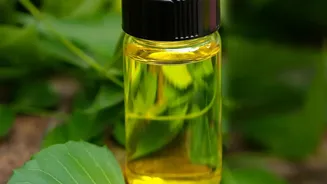
Neem oil is a gardener's secret weapon, derived from the seeds of the neem tree, which is native to India. For centuries, it has been used not just in traditional medicine but also as a potent, natural pesticide. It works in several ways: it repels pests
with its strong smell, stops them from feeding, and disrupts their life cycle, preventing them from growing and reproducing. Unlike many synthetic pesticides, it's biodegradable and non-toxic to birds and mammals when used correctly, making it an excellent choice for home and balcony gardens. It is effective against a wide range of common soft-bodied pests that plague urban gardens, including aphids, mealybugs, whiteflies, thrips, and spider mites.
The Simple 3-Ingredient Recipe
Creating your own neem oil spray is incredibly easy and much more cost-effective than buying pre-mixed solutions. The key is to ensure the oil, which doesn't naturally mix with water, is properly emulsified. Here’s a standard, effective ratio for a one-litre batch: - 1 litre of warm water - 1 teaspoon (about 5ml) of 100% cold-pressed neem oil - ½ teaspoon of a mild liquid soap (like castile soap or a gentle dish soap) The soap is crucial; it acts as an emulsifier, allowing the oil and water to mix into a consistent solution that can be sprayed evenly. Using warm water helps the neem oil (which can solidify at cooler temperatures) and soap blend together more effectively. Always opt for pure, cold-pressed neem oil, as it retains the highest concentration of the active pest-fighting compound, Azadirachtin.
How to Mix and Prepare Your Spray
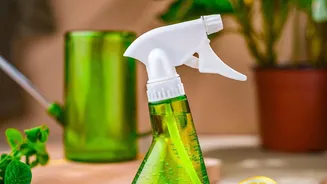
The order in which you mix the ingredients matters for the best results. Start by pouring the warm water into a clean spray bottle. Next, add the liquid soap and shake gently to dissolve it. Finally, add the neem oil, close the bottle tightly, and shake vigorously. You should see the mixture turn a milky, pale yellow-brown colour. This indicates the oil has emulsified properly. It's important to use the spray within a few hours of mixing, as the active compounds in neem oil begin to break down once diluted. If you're spraying for a while, remember to shake the bottle periodically to keep the solution well-mixed.
Best Practices for Application
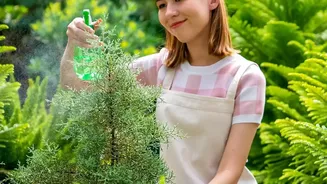
To protect your plants and maximize the spray's effectiveness, timing and technique are everything. The best time to spray is in the early morning or late evening. Applying neem oil in direct, hot sunlight can cause the leaves to burn. Avoid spraying on windy days to prevent drift or when rain is expected, as it will wash the solution away before it can work. When spraying, ensure thorough coverage. Pests like aphids and mealybugs love to hide on the undersides of leaves and in the joints between stems and leaves, so be sure to spray these areas diligently. The goal is to coat all surfaces of the plant, but not to the point where it's dripping excessively.
Important Precautions to Keep in Mind
While neem oil is generally safe for most plants, it's always wise to be cautious. Before spraying an entire plant for the first time, test the solution on a single leaf and wait 24 hours to check for any signs of stress or burning. Some plants with delicate or fuzzy leaves, such as certain herbs, lettuces, or African violets, can be more sensitive. Avoid spraying plants that are already stressed from recent repotting, under-watering, or extreme temperatures. Although it's considered non-toxic to humans and pets, it's good practice to wear gloves while spraying and keep the freshly mixed solution away from children and animals. If you use it on edible plants like herbs or vegetables, be sure to wash them thoroughly before consumption.