




A Return to Our Roots
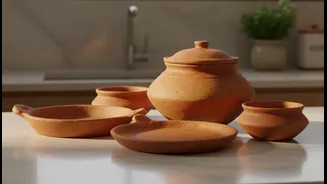
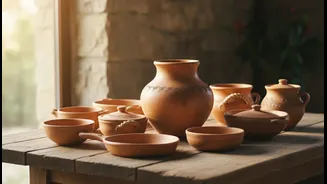
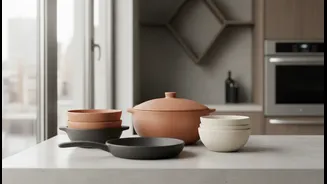
Long before stainless steel and induction stoves dominated our kitchens, there was clay. The use of terracotta cookware, or 'mitti ke bartan', is a tradition that stretches back thousands of years in India, with evidence found in the Indus Valley Civilization.
These vessels, known affectionately as 'handis' or 'matkas', were once the heart of the household. The current resurgence is more than just nostalgia; it's a conscious choice by many to reconnect with a slower, more sustainable way of life. In a world of fast-paced living, the decision to cook in clay is a deliberate step back towards heritage, representing a desire for authenticity and a connection to the earth itself.
The Science of Flavour and Health
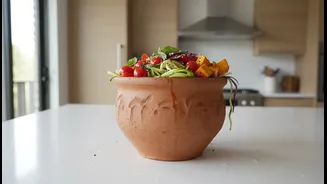
One of the most celebrated reasons for terracotta's revival is its impact on food. Clay is naturally porous, allowing heat and moisture to circulate evenly throughout the pot. This slow cooking process keeps food tender and moist, often requiring less oil. The result is dishes that are not only healthier but also richer in flavour. The clay itself is alkaline, which helps to neutralize the acidity in foods like tomatoes, balancing the pH and making meals easier to digest. Unlike many modern non-stick pans that can release synthetic chemicals at high heat, unglazed earthenware is completely natural and non-toxic, ensuring that the only thing added to your food is an unmistakable, earthy aroma.
Retaining Nature's Goodness
The gentle, uniform heat provided by clay pots does more than just enhance taste; it also preserves the nutritional value of the ingredients. Conventional metal cookware can heat up quickly and unevenly, causing delicate vitamins and minerals to break down. The slow-cooking nature of terracotta ensures that food is cooked thoroughly without being exposed to harsh temperatures. This method helps retain a higher percentage of the food’s natural nutrients, from the vitamins in vegetables to the proteins in meat and lentils. Essentially, the food cooks in its own juices, locking in both flavour and health benefits that are often lost in faster cooking methods.
The Practicalities of a Modern Kitchen
Adopting terracotta cookware is a commitment. These pots require care and attention that modern utensils do not. Before its first use, a clay pot must be seasoned, typically by soaking it in water for several hours. They are fragile and can crack if dropped or subjected to sudden temperature changes, such as moving from a hot stove to a cold countertop. Cleaning is also a gentle affair; harsh soaps are discouraged as the porous clay can absorb them, so scrubbing with warm water and baking soda is often recommended. Furthermore, clay takes longer to heat up, which requires a shift in mindset and timing for those accustomed to the speed of metal pans.
Bridging Past and Present
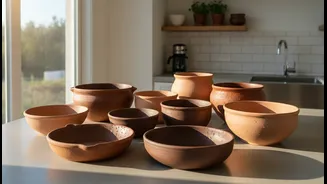
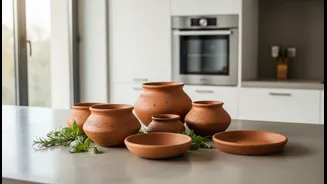
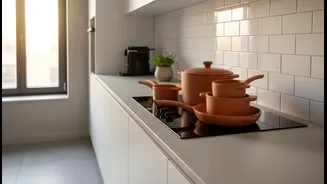
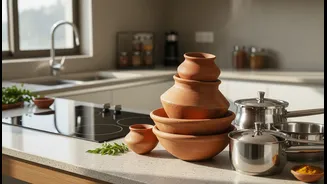
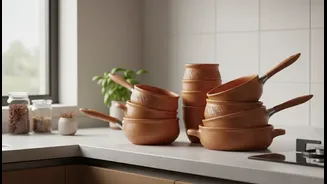
The good news is that you don't have to choose between a completely traditional or a fully modern kitchen. Today's market reflects a blend of both worlds. Many brands now offer terracotta cookware with contemporary designs that look beautiful in a modern home. While traditional unglazed pots offer the most authentic experience, some modern versions come with food-safe, lead-free glazes that make them easier to clean. This revival also shines a light on the artisans who have kept this craft alive for generations, offering a way for consumers to support local economies. The key is to find a balance that works for you, preserving the essence of the heritage while adapting the practice to your lifestyle.