







The Humidity and Acne Connection
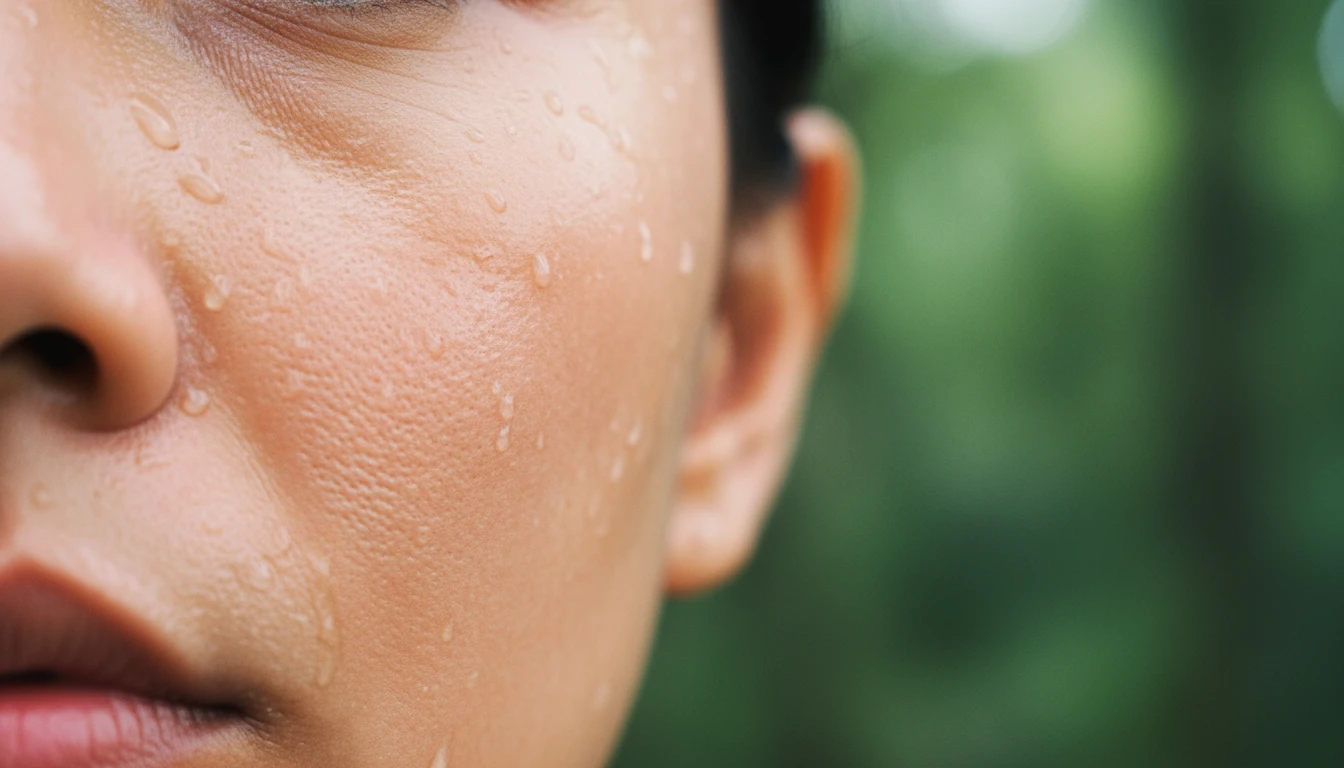
The primary reason for monsoon breakouts is the surge in humidity. When the air is saturated with moisture, your sweat doesn't evaporate as easily. Instead, it mixes with your skin's natural oils (sebum) and dead skin cells. This sticky combination can
clog your pores, creating the perfect environment for pimples to form. Furthermore, studies have shown that high humidity can directly stimulate your sebaceous glands to produce even more oil, compounding the problem and leaving your skin feeling greasy and congested.
A Breeding Ground for Bacteria
The warm, damp conditions of the rainy season are not just uncomfortable for us; they are an ideal breeding ground for bacteria. Specifically, the bacteria responsible for most acne flare-ups, Cutibacterium acnes, thrives in these moist environments. This bacteria feeds on the excess oil trapped in your pores, multiplying rapidly and leading to the inflammation, redness, and pus-filled bumps we recognise as acne. It's also worth noting that sometimes, what appears to be stubborn acne might be fungal in nature, as fungi also flourish in humid weather, causing small, itchy bumps.
Adjust Your Cleansing Routine
While it may be tempting to wash your face repeatedly to combat the stickiness, over-cleansing can strip your skin of its natural protective oils. This can paradoxically trigger your glands to produce even more oil to compensate. Instead, dermatologists recommend sticking to a gentle cleansing routine, washing your face just twice a day. Opt for a mild, pH-balanced foaming cleanser, preferably one that is non-comedogenic (meaning it won't clog pores). Products containing a low concentration of salicylic acid can be particularly effective at keeping pores clear during this season.
Don't Skip the Moisturiser
One of the most common mistakes people make during the monsoon is skipping moisturiser, believing their oily skin doesn't need it. This is a myth. When your skin is dehydrated, it can overproduce oil to make up for the lack of moisture. The key is to switch from heavy creams to a lightweight, oil-free, and non-comedogenic moisturiser. Look for gel-based formulas containing ingredients like hyaluronic acid, which provides hydration without adding any grease, helping to keep your skin's moisture barrier balanced and healthy.
Exfoliate, But With Care
Regular exfoliation is crucial for removing the buildup of dead skin cells that contribute to clogged pores. However, the humid weather can also make your skin more sensitive. Therefore, it's best to avoid harsh physical scrubs that can cause micro-tears and irritation. Instead, consider incorporating a gentle chemical exfoliant into your routine once or twice a week. Products with ingredients like glycolic acid or salicylic acid work to dissolve the bonds holding dead skin cells to the surface, promoting cell turnover without abrasive scrubbing.
Rethink Your Daily Habits
Your skincare products are only part of the solution. Small changes in your daily habits can make a big difference. Try to avoid touching your face, as your hands can transfer dirt and bacteria. Whenever you get wet in the rain, rinse your face and body with clean water as soon as possible, as rainwater can carry pollutants. Opt for breathable cotton clothing over synthetic fabrics that trap sweat against your skin. Finally, be mindful of keeping items that touch your face clean, including your hair, pillowcases, and towels, to minimise the transfer of oil and bacteria.