







The Rise of Community-Led Travel
Forget the endless scroll through commercial travel aggregators. A growing number of students and budget travellers are turning to a more organic method: crowdsourced resources. This isn't about one single app or website. Instead, it’s a movement powered
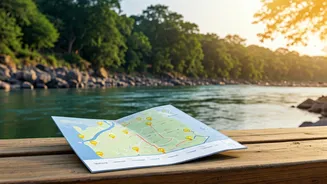
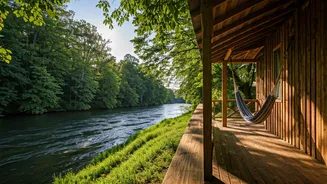
by shared digital documents, community-curated maps, and forum discussions. These 'maps' are often collaborative Google Maps lists, detailed Reddit threads, or even public spreadsheets created and updated by travellers themselves. They share a common goal: to bypass marketing markups and connect directly with authentic, affordable accommodation providers, particularly small, family-run homestays in picturesque locations.
Where to Find These Digital Treasures
The hunt for these resources is part of the adventure. Your first stop should be platforms built on community knowledge. Reddit is a goldmine; subreddits like r/IndiaTravel or r/Shoestring are filled with users sharing recommendations, trip reports, and sometimes, links to their own custom maps of places like Rishikesh, Himachal's Parvati Valley, or the backwaters of Kerala. Search for terms like “budget homestay map” or “student travel guide.” Another key resource is the travel blogging community. Many independent travellers create and share detailed guides that include contact numbers and locations for homestays not listed anywhere else. Finally, look for shared Google My Maps links. These often pop up in travel-focused Facebook groups or WhatsApp communities, passed from one traveller to the next.
How to Vet a Crowdsourced Gem
The beauty of crowdsourcing is its authenticity, but it comes with a catch: a lack of official verification. It’s crucial to do your own due diligence. First, check for recent activity. Is the map or thread still being updated? Are the comments from this year or five years ago? A recommendation from 2018 might be completely irrelevant today. Second, cross-reference everything. If a homestay is mentioned, search for its name on Google Maps or other social media to see recent reviews or photos. Look for multiple independent mentions across different platforms. Be wary of a single user hyping up one specific place repeatedly. Finally, trust your gut. If a listing seems too good to be true or the details are suspiciously vague, it’s better to move on.
Hotspots for Riverside Bargains
This trend is most prominent in areas popular with backpackers and long-stay travellers. Rishikesh and its surrounding areas along the Ganga are legendary for this, with countless small ashrams and homestays known only through word-of-mouth. In Himachal Pradesh, villages along the Parvati River, like Kasol and Tosh, have a deeply ingrained culture of budget homestays that thrive on community recommendations. Down south, the laid-back riverbanks of Hampi in Karnataka and the serene backwaters in Alleppey, Kerala, are also prime locations where local families offer rooms at student-friendly prices. These are the places where a recommendation from a fellow traveller is often more valuable than any online rating system.
Tips for Booking and Staying Safe
Once you’ve found a promising lead, the next step is to connect. If a phone number is provided, a direct call or a WhatsApp message is often the best approach. Be polite, state your budget clearly (many homestays offer discounts for students or longer stays), and confirm the exact location and amenities. Since you're dealing with individuals, not corporations, always have a backup plan. Never pay the full amount upfront before you’ve seen the place. Share your location and accommodation details with a friend or family member. These homestays can offer an incredibly warm and authentic experience, but basic travel safety precautions should always be your top priority.