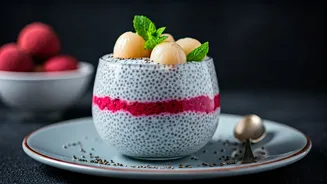



The Tiny Superfood's Big Reputation
Before we transform them, let's remember why chia seeds are worth the effort. These tiny seeds are nutritional powerhouses. Just a couple of tablespoons deliver a significant amount of fiber, which is fantastic for digestive health and keeping you full.
They are also a great plant-based source of protein and contain all nine essential amino acids. Furthermore, they are loaded with omega-3 fatty acids, specifically alpha-linolenic acid (ALA), which is crucial for heart and brain health. With a healthy dose of antioxidants and minerals like calcium and magnesium, their health benefits are hard to ignore.
From Goop to Glorious
The most common complaint about chia pudding is its texture. When soaked, the seeds form a gel that can feel slimy or lumpy if not prepared correctly. Many people give up after one or two attempts, consigning the rest of the bag to the back of the pantry. But the secret isn't in the seeds themselves—it's in how you use them. The key is to create contrast. A bowl of one-note gel is boring. But when that gel becomes one component layered with other exciting textures and flavors, it transforms from a culinary challenge into a delicious base. The parfait structure provides the perfect stage for this transformation.
Mastering the Chia Base
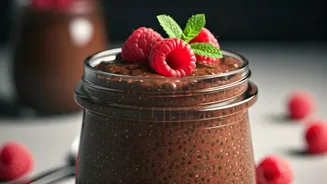
First, you need a flawless chia pudding base. The ideal ratio is about 2 to 3 tablespoons of chia seeds per cup of liquid. You can use any milk you like—almond and oat milk create a lighter result, while canned coconut milk yields a much richer, creamier texture. To the milk and chia seeds, add a touch of natural sweetener like maple syrup and a splash of vanilla extract for flavor. The most critical step is to stir well, wait 5-10 minutes for the seeds to start gelling, and then stir again vigorously. This second stir breaks up any clumps and ensures a smooth, consistent pudding. For the best texture, let it set in the fridge for at least two hours, or preferably overnight.
The Vibrant Berry Layer
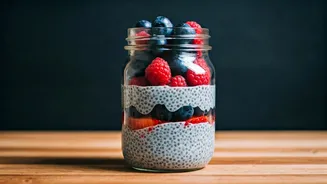
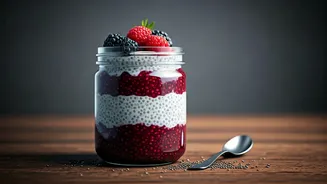
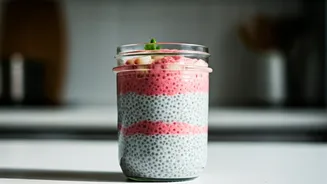
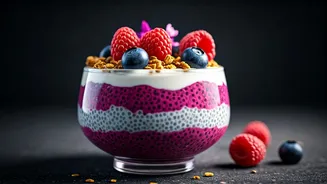
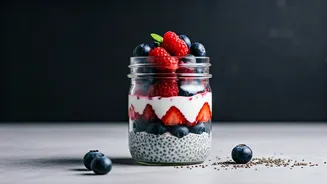
Berries are the perfect counterpoint to the creamy chia base. Their natural sweetness and slight tartness cut through the richness. You have a few options here. The simplest is to use a layer of fresh, whole or sliced berries like strawberries, blueberries, or raspberries. For a more integrated, saucy layer, you can create a quick berry compote by gently heating fresh or frozen berries in a small pan with a tiny bit of water and maple syrup until they break down. Another great method is to blend some berries directly into a portion of your milk before adding the chia seeds, creating a fruit-flavored pudding layer from the start.
Don't Forget the Crunch
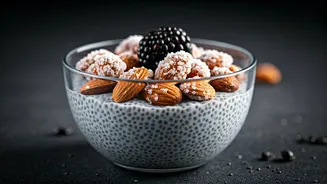
This is arguably the most important element for making chia seeds 'fun'. A crunchy layer provides essential textural contrast that makes each spoonful more interesting. The options are endless. A sprinkle of your favorite granola is a classic choice, adding both crunch and flavor. Toasted nuts like chopped almonds or pecans work beautifully, as do seeds like pumpkin or sunflower seeds. For a different kind of texture, try adding toasted coconut flakes or even some cacao nibs for a hint of chocolatey bitterness that pairs wonderfully with the sweet berries. This layer is what prevents textural monotony and elevates the entire experience.
Building Your Perfect Parfait
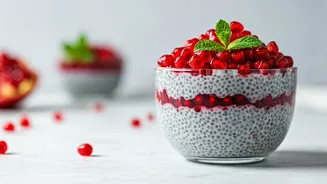
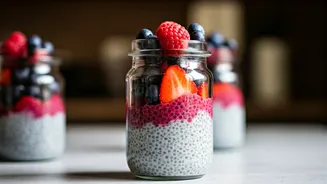
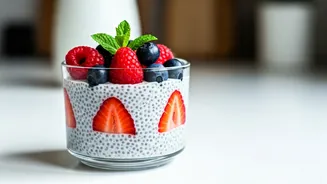
Now for the fun part: assembly. Using a clear glass or jar shows off your beautiful layers. Start with a layer of your crunchy element at the bottom to keep it from getting soggy too quickly. Follow with a layer of the berry compote or fresh berries. Next, spoon in a generous layer of your perfectly set chia pudding. Repeat the layers until you reach the top of the glass. You can create as many layers as you like, alternating between the creamy chia, the vibrant fruit, and the crunchy granola. Finish with a final dollop of pudding and a garnish of fresh berries and a sprinkle of nuts or seeds.